
EU Parliament Demands Release of Opposition Figures, Review of Ties With Uganda
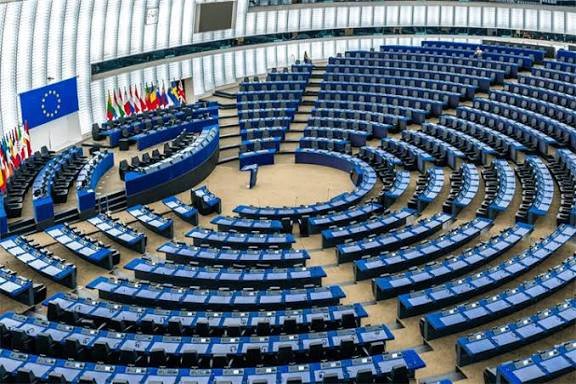

KAMPALA: The European Parliament on Thursday adopted a strongly worded resolution condemning Uganda’s post-election environment, calling for the immediate release of opposition figures, an end to internet restrictions, and a review of the European Union’s cooperation with Kampala.
In a vote of 514 in favour, three against and 56 abstentions, Members of the European Parliament (MEPs) cited what they described as intimidation, arbitrary detentions, violence and a nationwide internet blackout during and after the January 15, 2026 general elections.
The resolution groups Uganda alongside Iran and Türkiye in a set of urgent human-rights debates, signalling heightened concern in Brussels about civil liberties and democratic standards in the East African country.
According to the statement issued on Thursday, the European Parliament “strongly condemns the conduct of the Ugandan elections on 15 January 2026, which were marred by abuses, widespread intimidation, fraud, violence and a nationwide internet blackout.â€
MEPs said they were “deeply concerned about the suspension of civil society groups as well as the significant threats and intimidation directed at the opposition,†including National Unity Platform leader Robert Kyagulanyi, also known as Bobi Wine, and veteran opposition figure Dr Kizza Besigye.
Parliament “calls for their immediate and unconditional release and of all those arbitrarily detained†and condemned the killing of NUP supporter Mesach Okello.
The lawmakers also urged Ugandan authorities to stop trying civilians in military courts and to disclose the whereabouts of all missing persons.
Internet shutdowns and reform demands
Header advertisement
In the resolution, MEPs called on the government to undertake “comprehensive electoral and institutional reforms†and to refrain from further internet restrictions, which they said undermine transparency and democratic participation.
They also asked the EU and its member states to review their cooperation with Uganda to ensure alignment with European principles.
The statement further urged the bloc to “engage critically with Ugandan authorities, and prioritise support for Ugandan civil society, human rights and LGBTIQ+ defenders, and journalists.â€
Potential impact on EU–Uganda relations
The European Union is one of Uganda’s largest development partners, funding programmes in governance, infrastructure, agriculture, energy and refugee support. Any shift in cooperation could affect major projects and humanitarian initiatives.
While the European Parliament’s resolutions are not legally binding, they carry significant political weight and often shape the EU’s foreign policy stance and aid decisions.
Ugandan authorities have previously defended their electoral processes and security measures as necessary to maintain stability, and have criticised external actors for what they describe as interference in domestic affairs.
The latest resolution adds to growing international scrutiny of Uganda’s political environment following the 2026 elections, particularly around political detentions, digital freedoms and the role of security agencies.


 DRC opposition urges Tshisekedi to abandon constitutional changes
Ultimate Uganda
DRC opposition urges Tshisekedi to abandon constitutional changes
Ultimate Uganda
 US military transport plane lands in Moscow
Ultimate Uganda
US military transport plane lands in Moscow
Ultimate Uganda
 Putin puppet slaps UK with terrifying 2-word warning over drone factories
Ultimate Uganda
Putin puppet slaps UK with terrifying 2-word warning over drone factories
Ultimate Uganda
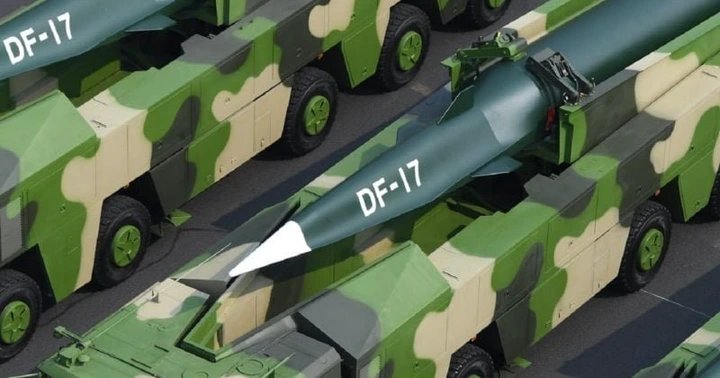 China develops hypersonic weapon to hunt US command aircraft thousands of miles away
Ultimate Uganda
China develops hypersonic weapon to hunt US command aircraft thousands of miles away
Ultimate Uganda
0 Comments