
Govt probes fuel hoarding as pumps run dry despite ‘sufficient’ stocks
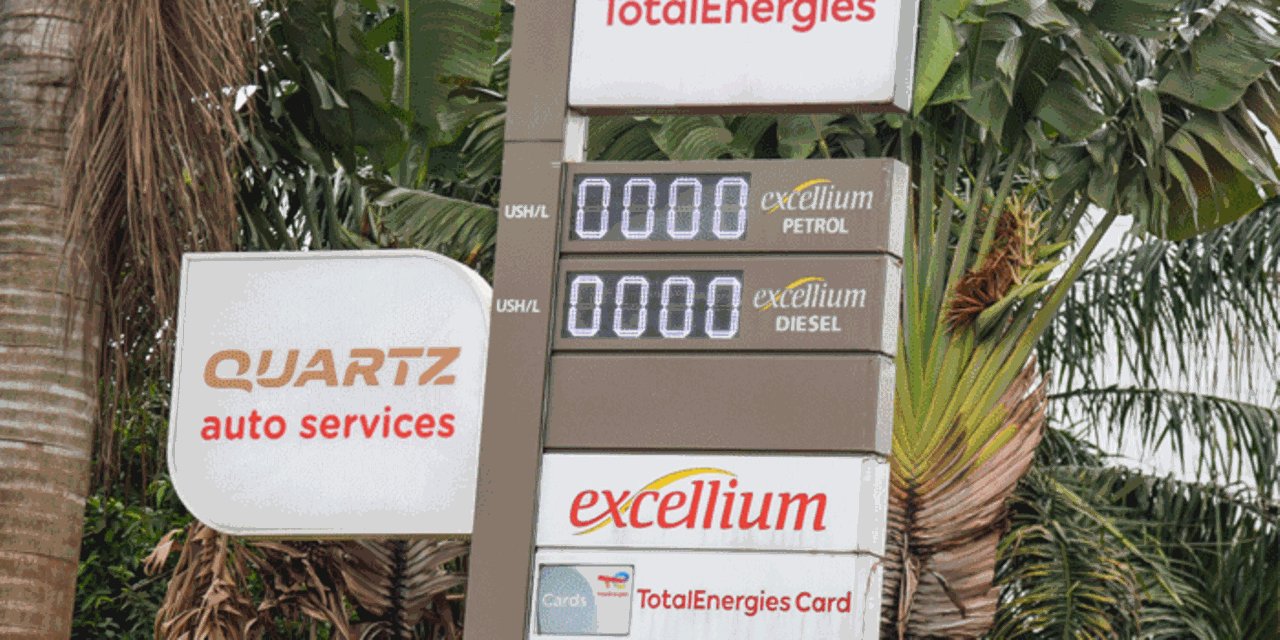

Government has launched investigations into Oil Marketing Companies suspected of hoarding fuel and charging exorbitant prices, even as officials insist national stocks remain sufficient.
The move follows mounting public complaints of dry pumps, rationing, and selective selling at petrol stations across Kampala, Wakiso, and upcountry towns, contradicting repeated assurances from the Ministry of Energy that supply is normal.
“It had come to our attention that some OMCs are charging exorbitant costs of fuel and others are reported to be hoarding,†the ministry said in a statement this week.
Dr. Patricia Litho, the Director of Communications at the Ministry of Energy, said while deliberate hoarding has not yet been confirmed, it remains a key line of investigation. “We suspect, but we cannot confirm. What we can confirm is that we supplied enough stock,†she said in an interview.
Government is now preparing enforcement action under the Petroleum Supply Act, with a closed-door meeting scheduled today, April 27, between the ministry and OMCs. The law allows government to revoke licenses, shut down operators, and even seize hoarded fuel.
OMCs reject allegations, cite global disruptions
But the Sustainable Energies and Petroleum Association of Uganda (SEPA Uganda), the umbrella body for licensed downstream oil marketers, has strongly rejected allegations of exploitation. In a statement issued Sunday, April 26, 2026, SEPA Uganda said claims that sector players are hoarding fuel, inflating prices, and engaging in cross-border smuggling are unfounded.
“SEPA Uganda strongly rejects these allegations. The downstream petroleum sector in Uganda operates within robust compliance frameworks, supported by internal controls and continuous monitoring to promote transparency and accountability,†the association said. It added that member companies operate under strict regulatory oversight and comply with all applicable laws, standards, and government directives.
SEPA Uganda noted that Uganda’s fuel supply is centrally coordinated by the Uganda National Oil Company (UNOC), and all official queries regarding national stocks, supply levels, and imports should be directed to UNOC. The association attributed current pricing pressures, supply constraints, and isolated fuel shortages to disruptions in global oil markets driven by ongoing conflict in the Middle East, “and not deliberate actions by oil marketing companies.â€
“SEPA Uganda reiterates its members’ firm commitment to ethical conduct, fair pricing, and uninterrupted service delivery. We remain focused on ensuring that fuel supply continues to support essential services, businesses, and communities across Uganda,†the statement read.
Supply vs street reality
Official figures suggest Uganda is not facing a national shortage. As of April 21, government reported 70.5 million litres of petrol (19 days’ cover), 43.2 million litres of diesel (12 days), and 32 million litres of jet fuel (53 days). Additional shipments, over 460 million litres combined, are expected between May and June, extending national fuel cover by several weeks.
Yet on the ground, the experience is starkly different. Motorists report stations running dry, while others remain operational but crowded, with long queues or restricted sales. In some areas, fuel appears to be available only to selected customers, such as boda boda riders or contracted clients. This mismatch has unsettled consumers and businesses, raising questions about where the fuel is going.
Inside the supply chain
The answer lies less in national stock levels and more in how fuel moves from import to pump. Since July 2024, Uganda National Oil Company has been the sole importer of fuel, selling it onward to OMCs. However, not all OMCs access fuel directly from UNOC. Out of roughly 170 OMCs, only about 80-plus, mostly large and medium players, have direct supply agreements. Smaller, independent dealers buy fuel from these larger companies.
In tight supply conditions, major OMCs prioritise their own branded stations and contracted clients before supplying independent dealers. As one industry source explained: “First, supply your stations. When there is enough, then you supply the smaller players.â€
The result is uneven distribution. Fuel remains within major networks while independent stations, especially in rural areas, run dry. To motorists, this looks like a shortage, but in reality, supply is concentrated rather than depleted.
The logistics bottleneck
Distribution challenges further complicate the situation. Uganda depends on imports through Mombasa and Dar es Salaam, with fuel transported by truck from depots in western Kenya, about 350–400 kilometres to Kampala. While the journey can take about 12 hours under ideal conditions, delays at loading depots, border crossings like Malaba, or prioritisation of certain deliveries can create localized shortages.
Experts say even small disruptions in this chain can result in what appear to be “pockets†of scarcity. “These are last-mile issues, logistics and distribution — not a national stockout,†said a regional downstream oil expert.
Rural areas hit hardest
The impact is most severe in rural districts and border towns such as Arua and Tororo. These areas rely heavily on independent stations, which are last in line for supply and furthest from central depots. When supply tightens, they are the first to run dry. At the same time, cross-border demand and transport costs push prices higher in these regions, deepening the disparity.
Economic risks and structural gaps
Economist Dr. Fred Muhumuza says the situation exposes deeper vulnerabilities in Uganda’s fuel supply system. “If the quantities we have cover less than a month and global flows are being rationed, then there should be concern,†he says.
He identifies three structural gaps: lack of strategic fuel reserves, limited transparency on daily stock levels, and weak policy communication during supply stress. “Hoarding is a symptom. The disease is thin stocks, no fallback transport system, and no agreed plan for when shipments slip,†he says, warning that unacknowledged rationing is already driving up costs across transport, food, and manufacturing — effects that may not yet be reflected in official inflation data.
Government maintains that supply is adequate and has urged the public not to panic buy. The Ministry of Energy also says it is working with regional partners to ensure incoming shipments are delivered and distributed efficiently.
However, analysts argue that enforcement alone may not solve the problem. Without clearer communication, better stock visibility, and stronger coordination across the supply chain, they say, crackdowns on suspected hoarding risk shifting shortages rather than resolving them.
Across East Africa, volatile global oil markets, high logistics costs, and currency pressures continue to strain fuel systems. For Uganda, the current episode is becoming a test of both supply resilience and policy credibility.
On paper, the country has fuel, and more is coming. But for many motorists facing empty pumps, the real question remains: when will it reach them?


 Starlink goes live in Uganda; price comparisons against MTN, Airtel
Ultimate Uganda
Starlink goes live in Uganda; price comparisons against MTN, Airtel
Ultimate Uganda
 NSSF sets September 24 for Annual Members Meeting as savers await interest rate declaration
Ultimate Uganda
NSSF sets September 24 for Annual Members Meeting as savers await interest rate declaration
Ultimate Uganda
 Boda boda riders launch e-commerce, digital loans platform
Ultimate Uganda
Boda boda riders launch e-commerce, digital loans platform
Ultimate Uganda
 Rwanda: We Cannot Sit and Watch As Illicit Alcohol Kills People - Kagame
Ultimate Uganda
Rwanda: We Cannot Sit and Watch As Illicit Alcohol Kills People - Kagame
Ultimate Uganda
0 Comments