
Ntungamo’s Place Names Reveal a Hidden History of War, Survival and Identity
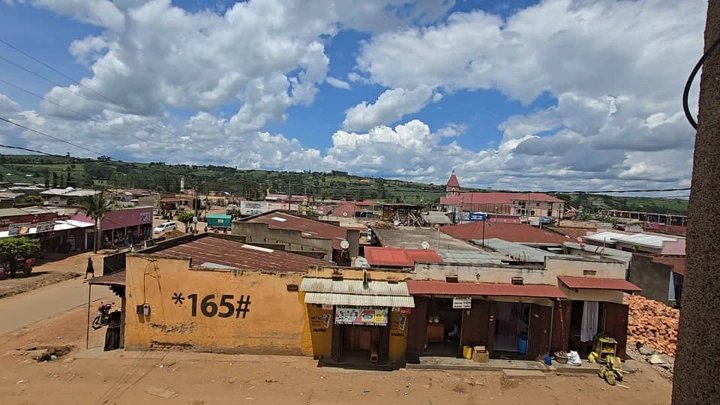

From battlefields and famine zones to places of abundance and community, Ntungamo’s place names carry layered meanings shaped by history, language and lived experience, offering insight into how past realities continue to influence identity and perception today.
A deeper look into place names in Ntungamo District is uncovering a powerful and often overlooked history, revealing how language, conflict, environment and daily survival shaped identities that continue to define communities today.
Across the quiet hills and steadily expanding town centres, the names that mark Ntungamo’s geography are far from arbitrary.
Each one reflects lived experience—war, hunger, migration, abundance, hardship and resilience—etched into language and passed down through generations.
From Mwerasandu, once a contested war zone during territorial clashes between Ankole and Rwanda, to Ruhaama, derived from empaama—a term describing a hard, dry land that challenged cultivation—the district’s landscape reads like a historical archive.
These names emerged from real events and environmental conditions, many dating back to the late 19th century, around the time British rule was introduced in 1894.
At the centre of preserving and interpreting this knowledge is Rev Canon James Ndiyanabo Rutaraaka, a respected scholar, writer, translator and historian. His work, including 'The Teaching and Philosophy Underlying Kinyankole Proverbs', emphasises that translation goes beyond words, requiring the preservation of meaning, context and cultural nuance.
Through this lens, place names take on deeper significance. Nyamukana, for instance, reflects toughness, once used to describe hard-to-chew food such as poorly prepared cow hide.
Nyamunuka carries darker origins, associated with areas where killings occurred, leaving behind the stench of decomposing bodies.
“These names were generated from certain happenings. For Nyamunuka, meaning ‘smelling,’ many years back before the British came, those were places where murders used to happen. There would be a lot of stench from decomposing bodies,†Rev Canon Rutaraaka explained.
In contrast, Rwamabondo tells a different story. Today, it is a lively and peaceful community where people gather around roasted meat stalls. Historically, it was known as a place of abundance and movement, where travellers stopped to eat, drink and replenish.
The origins of Kajara County also reflect personal and communal memory. According to former Ntungamo District chairman and elder Dennis Singahakye, the name traces back to a small place called Nyinakajara near Bwongera Sub-county.
“Many years ago, an old woman told her grandchild, ‘You demand a lot from me, yet I am still hungry—Nyinakajara.’ The phrase caught on, and people began referring to the place by that name. When the British arrived, they adopted it, and it eventually became the name of the entire county,†Singahakye said.
In a striking layer of interpretation, some locals map these place names onto parts of the human body, creating a symbolic geography of identity.
Nyamunuka is associated with the nose, Rwamabondo with the stomach, Kagamba with the mouth, Mabunu with the buttocks, and Ntungamo with the legs—suggesting movement, growth and continuity.
Markets and settlements also reflect geographical positioning and collective behaviour. Mabunu, for example, is linked to a location perceived as hidden or behind other areas, while Rwashamaire derives from moments when people gathered to watch events unfold.
“The naming of these areas, especially markets, was based on historical perspective and geography. Mabunu market reflects a place that is hidden or behind, while Rwamabondo got its name from people gathering there to eat and fill their stomachs,†Singahakye noted.
Despite some names being rooted in hardship or violence, experts say there is a growing shift in how communities interpret them.
Increasingly, these names are being reframed as symbols of resilience and progress rather than reminders of suffering.
Ntungamo itself—meaning growth or ascent—has come to embody that transformation. Since gaining district status in 1993, it has experienced steady development, expanding infrastructure and growing economic activity, aligning with its name as a place of ambition and upward movement.
Canon Rutaraaka urges communities not to dwell on negative origins but to embrace the positive meanings embedded within these names.
“These places have their origins, but people should use the positive message. For example, Ntungamo means development. We should focus on that rather than the negative etymology that may have led to the name,†he said.


 The women who have been in King Oyo’s life
Ultimate Uganda
The women who have been in King Oyo’s life
Ultimate Uganda
 Ex Kagame Guard Commander Tom Byabagamba Dies in Rwandan Prison After 12 Years
Ultimate Uganda
Ex Kagame Guard Commander Tom Byabagamba Dies in Rwandan Prison After 12 Years
Ultimate Uganda
 Government begins salary payments for public sector workers – Reform Committee
Ultimate Uganda
Government begins salary payments for public sector workers – Reform Committee
Ultimate Uganda
 Temangalo land: NSSF, Nzenyi reach agreement
Ultimate Uganda
Temangalo land: NSSF, Nzenyi reach agreement
Ultimate Uganda
0 Comments