
Poor legacy assets drag down PIC unlisted investment impairments
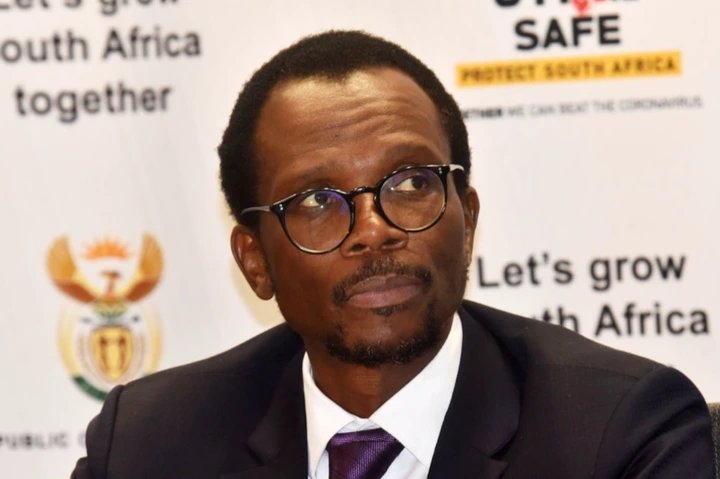

Public Investment Corporation chair says investments ‘not entirely prudent’
PIC chair David Masondo. Picture: FREDDY MAVUNDA/BUSINESS DAY
The high level of impairments in the Public Investment Corporation’s (PIC) unlisted investment portfolio was overwhelmingly due to legacy investments, deputy finance minister and PIC chair David Masondo told MPs.
Under the present dispensation these investments cannot be written off.
The deputy minister responded in a letter to the chair of parliament’s finance committee, Joe Maswanganyi, to a range of issues raised by committee members at a previous meeting.
These included allegations made against the PIC by deputy defence minister and United Democratic Movement leader Bantu Holomisa, as well as the precautionary suspensions of PIC chief investment officer Kabelo Rikhotso and head of unlisted investments Thabiso Moshikara.
Masondo requested that the letter be treated as “strictly confidential†as it could be detrimental to the PIC in its handling of various disciplinary cases and transactions.
However, parliament’s senior legal adviser Frank Jenkins told the committee during its engagement with PIC executives that neither the law regarding classified information nor the rules of parliament — except in specific circumstances — allowed for the originator of a document to parliament to determine its confidentiality. This would require a committee meeting to be closed to the media and public.
The PIC had assets under management of about R3.6-trillion in October with the unlisted portfolio representing about 4.5% (R162bn) of the total investments, the deputy minister said.
Documents submitted to the committee by the PIC revealed that its ringfenced Isibaya Fund, which invests in unlisted investments with a specific developmental mandate, had gross loans of R69bn at end-June, of which R35.5bn was impaired, resulting in an impairment ratio of 51.5%.
Masondo addressed what he said was Holomisa’s scathing criticism of the unlisted portfolio’s credit loss ratio exceeding 39%. Holomisa had said that such a credit loss ratio — the percentage of the total loan book that was irrecoverable — was indefensible and reflected an alarming level of financial mismanagement. He added that no credible institution would tolerate such losses under the guise of economic empowerment.
The criticisms were made by Holomisa in a letter to President Cyril Ramaphosa and the chair of parliament’s standing committee on public accounts at end-October. He called for action to be taken against what he said was the looting taking place in the PIC.
Masondo emphasised that the high ratio was primarily the result of legacy transactions dating as far back as 2011 and only remained on the books because the PIC’s clients — among them the Government Employees Pension Fund, Unemployment Insurance Fund and the Compensation Fund — did not apply an asset write-off policy once an asset no longer held any future economic benefit.
“These old defaulted loans continue to accrue punitive default interest and each cycle of new interest is immediately impaired which mechanically inflates the ratio even though the underlying exposures are no longer recoverable,†Masondo said.
This accounting constraint made comparisons with banks, lenders and development finance institutions inappropriate, he said.
Less than 5% of impairments related to transactions approved after 2019. The investment practices before the Mpati judicial commission of inquiry were “not entirely prudent,†Masondo acknowledged. The commission was appointed by Ramaphosa to investigate allegations of corruption, impropriety and poor governance at the PIC.
Masondo said the PIC had strengthened its internal processes to limit impairments.
“The finance team is engaging clients on the introduction of a formal write-off policy to ensure transparency and alignment with the local and global financial sector best practices.â€
Masondo dismissed suggestions that the unlisted portfolio should be housed elsewhere, such as with the Development Bank of Southern Africa, pointing out that it had delivered an internal rate of return of 16%, exceeding the benchmarks set by its clients and despite the challenges it faced with investments such as Acapulco and Daybreak. “It is performing,†he said.
On Acapulco, Masondo said two senior counsel had advised that the chances were slim of the success of a legal appeal against the arbitration award of what the PIC believed was a gross overvaluation of Lanseria airport. Any legal action would therefore be regarded as “frivolousâ€.


 Starlink goes live in Uganda; price comparisons against MTN, Airtel
Ultimate Uganda
Starlink goes live in Uganda; price comparisons against MTN, Airtel
Ultimate Uganda
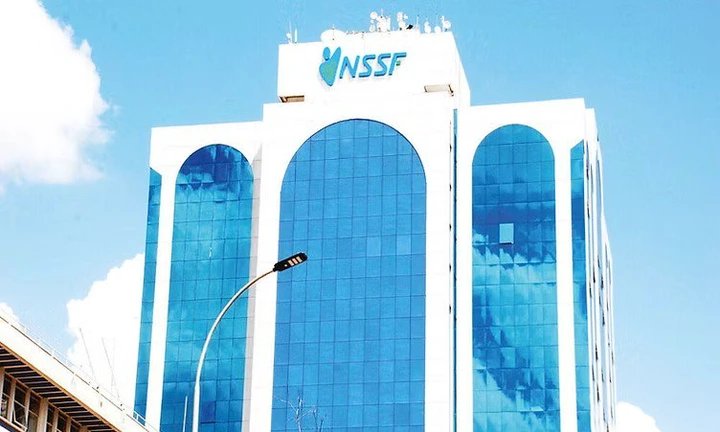 NSSF sets September 24 for Annual Members Meeting as savers await interest rate declaration
Ultimate Uganda
NSSF sets September 24 for Annual Members Meeting as savers await interest rate declaration
Ultimate Uganda
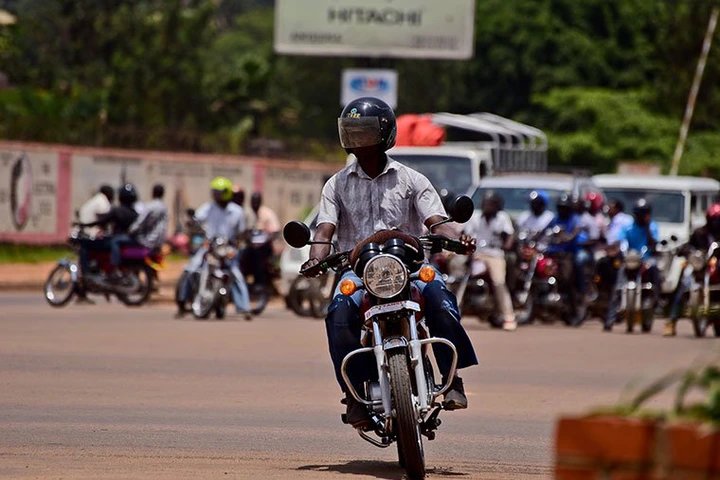 Boda boda riders launch e-commerce, digital loans platform
Ultimate Uganda
Boda boda riders launch e-commerce, digital loans platform
Ultimate Uganda
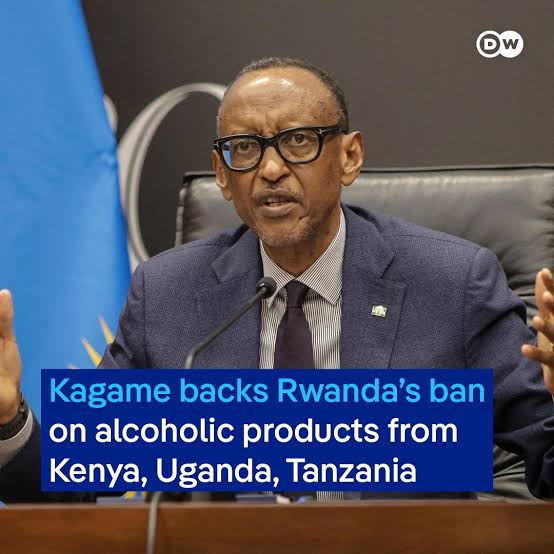 Rwanda: We Cannot Sit and Watch As Illicit Alcohol Kills People - Kagame
Ultimate Uganda
Rwanda: We Cannot Sit and Watch As Illicit Alcohol Kills People - Kagame
Ultimate Uganda
0 Comments