
The post-Museveni question
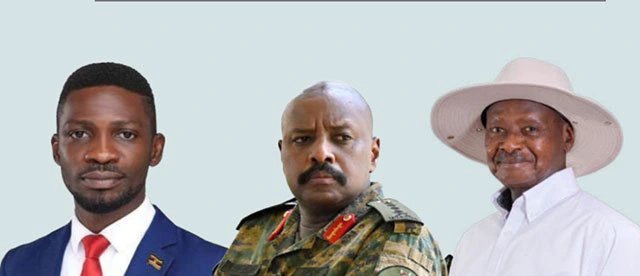

Transition or succession? Focus is on Kyagulanyi, Muhoozi and Museveni
For a country that has never seen peaceful transfer of power, the future is arriving faster than its readiness for it
On the afternoon of December 10, at Hotel Africana in Kampala, Uganda’s political future was discussed quietly, almost cautiously. There were no cameras jostling for position, no slogans shouted into microphones, no security operatives hovering at the edges of the room.
The meeting was modest; perhaps by design or circumstance but what stood out most was not who was present, but who was not. No official from the ruling National Resistance Movement (NRM) attended. Whether they were not invited or simply chose to stay away was never made explicit. But in a country where power is omnipresent, absence itself can be a statement.
Inside the room sat constitutional lawyers, policy analysts, former diplomats, academics, civil society activists, veteran journalists, and young Ugandans who have grown up knowing only one president. They had gathered for the launch of a book with an unusually direct title: “Uganda’s Transition Question,†published by the Agora Centre for Research.
Outside, Kampala was its usual self; noisy, impatient, half-political by reflex. Inside, the mood was different. This was not a rally, not an opposition meeting, not a strategy session. It was something far more unsettling: an honest conversation about what happens when 81-year-old Yoweri Kaguta Museveni who has ruled Uganda for four decades either leaves power—or does not.
Uganda is heading into presidential elections scheduled for January 15, 2026. The incumbent, President Yoweri Kaguta Museveni, now vying for an unprecedented seventh straight five-year term, is once again the central figure. For many Ugandans, the election is less about choice and more about survival; of institutions, of peace, of the state itself.
Weird date of book launch
As Dr Spire Ssentongo, one of the editors of the book, reminded the audience, the date of the launch carried a cruel historical symmetry. “This day coincides with something that happened 45 years ago in this country,†he said. “On this day, we had an election.â€
“One of the candidates then is a candidate now, and he’s protecting the gains,†Dr. Ssentongo said, referring to President Museveni’s campaign slogan. “But it makes sense. Since he got 0.7% (of the votes cast) that time, he still has to keep building the numbers.â€
There was brief laughter in the conference room before Dr. Ssentongo quickly added: “It was very important that we mentioned that coincidence, because it speaks a lot to the theme of today, the theme of transition, the theme of the journey of this country and the anxieties and whatever surrounds that topic, where we are going.â€
The room went quiet, perhaps because beneath the humour lay a truth that no one in the room could avoid: Uganda has never experienced a peaceful transfer of presidential power since independence in 1962. Every transition has been violent, traumatic, or extra-constitutional. And as the country edges closer to 15 January, 2026, the question is no longer whether a transition will come, but how—and at what cost.
Agather Atuhaire, the Executive Team Leader of Agora Centre for Research unveils the book titled, “Uganda’s Transition Question,†on Dec. 10 at Hotel Africana, Kampala.


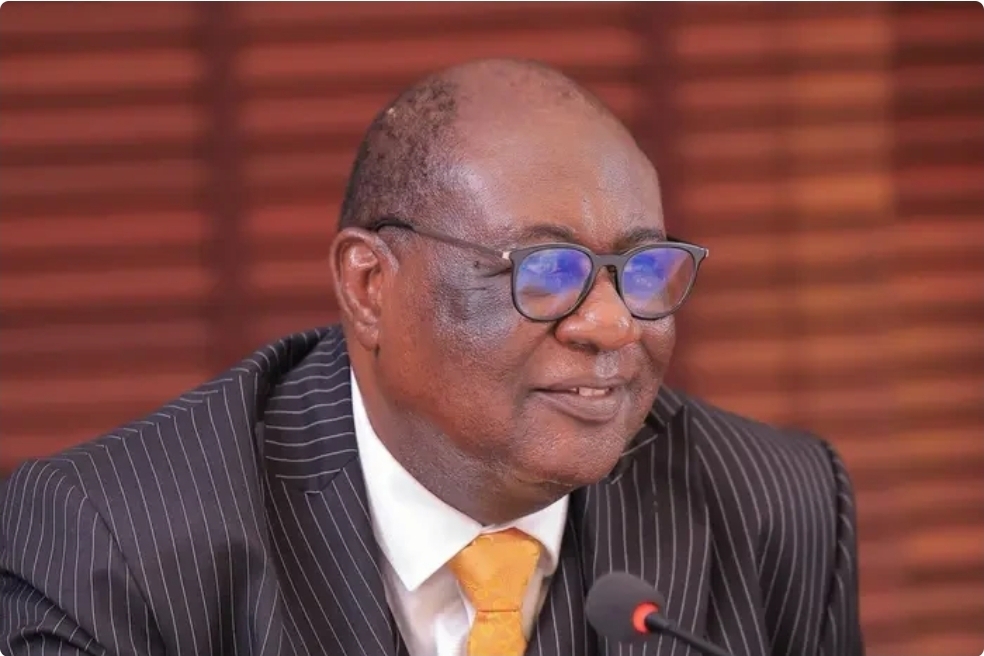 Government will not gazette Kijanangoma as King of Tooro for now - Attorney General insists
Ultimate Uganda
Government will not gazette Kijanangoma as King of Tooro for now - Attorney General insists
Ultimate Uganda
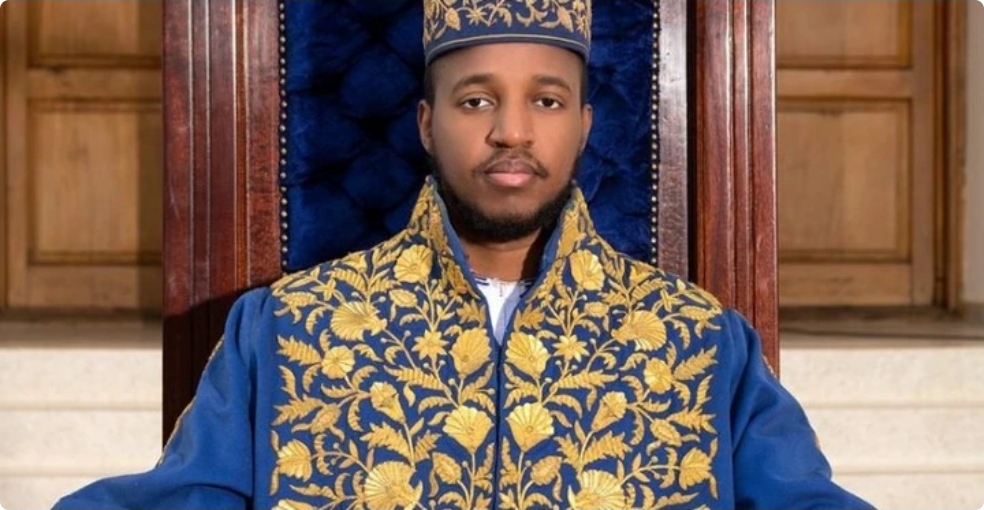 King Oyo’s Body to Arrive Thursday
Ultimate Uganda
King Oyo’s Body to Arrive Thursday
Ultimate Uganda
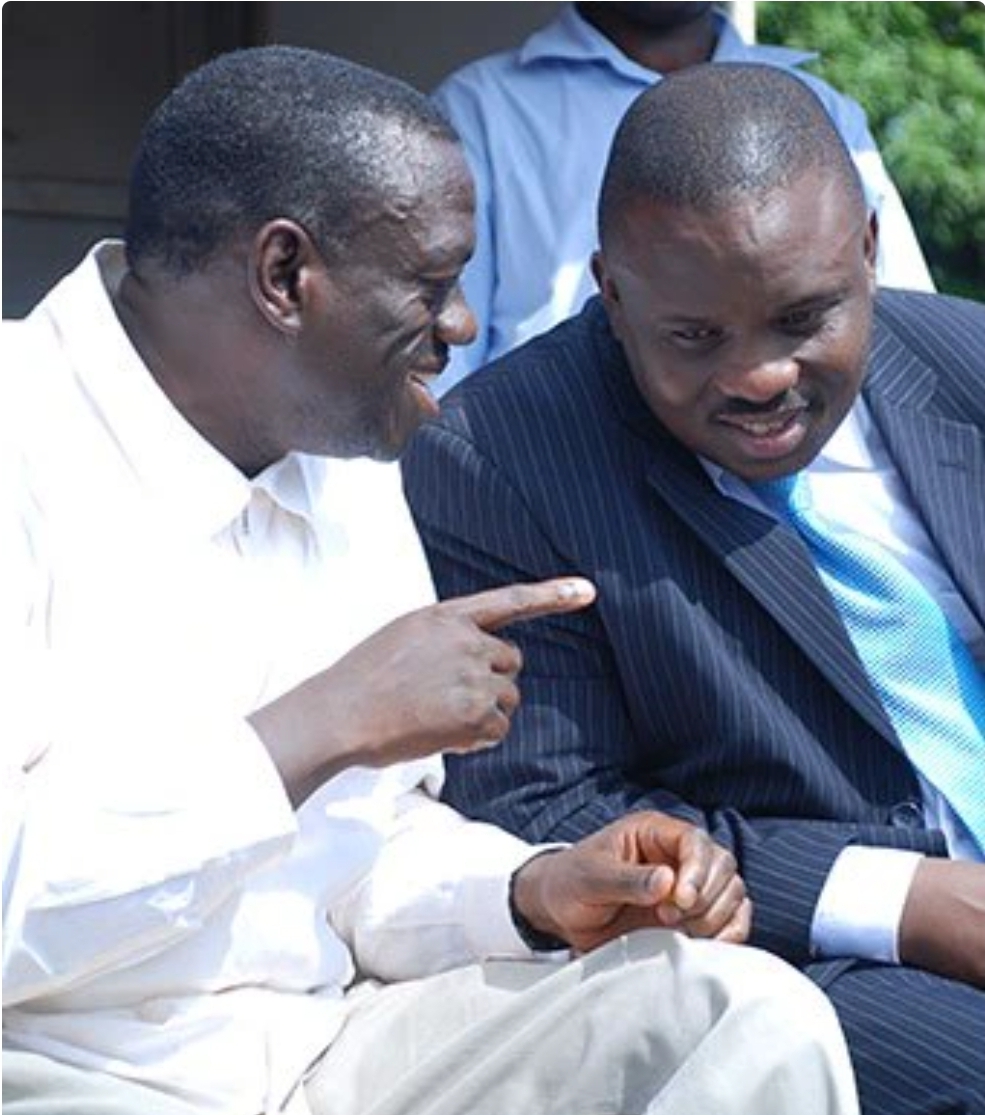 Besigye, Lukwago expected to meet Gen. Salim Saleh today at Kapeeke
Ultimate Uganda
Besigye, Lukwago expected to meet Gen. Salim Saleh today at Kapeeke
Ultimate Uganda
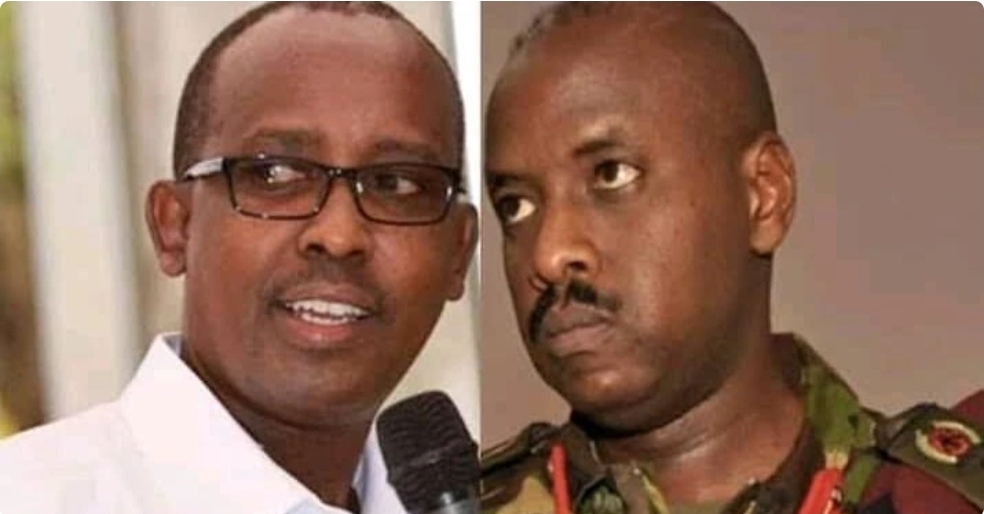 Rwabwogo Advised to ‘Eat His Bishop’ As MK Prepares to Enter State H’se: PREZ MUSEVENI ON HIS WAY OUT
Ultimate Uganda
Rwabwogo Advised to ‘Eat His Bishop’ As MK Prepares to Enter State H’se: PREZ MUSEVENI ON HIS WAY OUT
Ultimate Uganda
0 Comments