
Uganda’s Malaria Cases Drop by 22% Despite Heavy Economic Toll
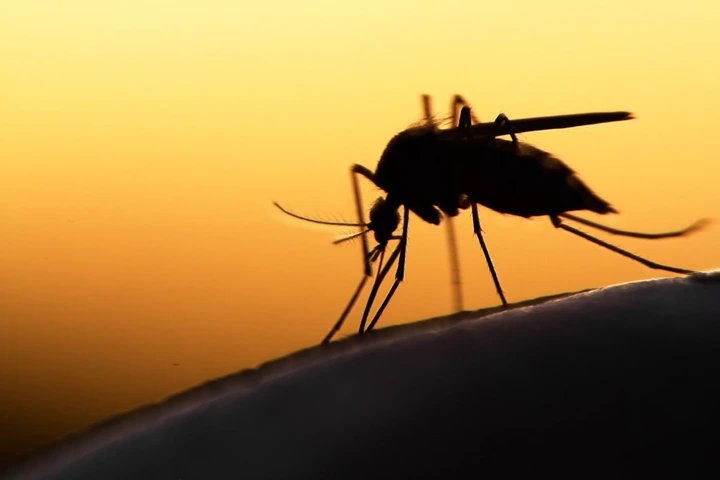

Malaria remains the leading cause of deaths in Uganda
Uganda has recorded a sharp decline in malaria incidence and mortality over the past year, driven by expanded vaccination, intensified vector control and faster treatment pathways, yet the disease continues to exact a heavy economic and productivity cost, according to a government macro-microeconomic brief released in December 2025.
The MIND Update: December 2025, published by the Ministry of Finance, Planning and Economic Development, reports that malaria incidence fell by 22%, from 280 cases per 1,000 people in FY2023/24 to 261 cases in FY2024/25, attributing the improvement to “preventive interventions such as Indoor Residual Spraying in West Nile and Bukedi regions, and seasonal malaria chemoprophylaxis in Karamoja sub-region.â€
The findings draw on the Annual Health Sector Report FY2024/25.
Mortality also declined substantially.
“Malaria deaths reduced significantly by 38% from 3,582 deaths in FY2023/24 to 2,196 deaths in FY2024/25,†the document seen by ChimpReports states.
However, deaths remained unevenly distributed, with the highest toll in Acholi sub-region (168 deaths) and the lowest in West Nile (139 deaths). Incidence was highest in Acholi (724 cases), Teso (514 cases) and Lango (488 cases), and lowest in Kigezi (40 cases) and Kampala (96 cases).
Despite the gains, malaria continues to dominate health service use.
The report notes that malaria “remained the leading cause of admissions in health facilities (26.8%) followed by pneumonia (6%), septicaemia (4.5%) and cough (4.5%),†and was “the leading Out Patient Condition (OPD), accounting for 26.1% of all OPD conditions in FY2024/25,†down from 29.4% the year before.
Header advertisement
Vaccination
Uganda’s recent progress reflects a multi-pronged strategy under the NDPIV Human Capital Development Programme.
The government rolled out malaria vaccination in 2025 across 107 districts, targeting children under two years, with support from Gavi, the Vaccine Alliance, the Government of Uganda and UNICEF.
By 30 June 2025, the country had reached 96% coverage for the first dose, though uptake fell to 33% for the second dose and 9% for the third, underscoring challenges in series completion.
Vector control was expanded through Indoor Residual Spraying (IRS) and insecticide-treated nets (ITNs).
IRS achieved 94–95% coverage in targeted districts, protecting over 2.9 million people across Eastern, West Nile and Mid-North regions.
National ITN use rose from 62% in 2022 to 76% in 2024, with 70% of pregnant women and 66% of children under five sleeping under treated nets, the report says.
Seasonal malaria chemoprevention (SMC) in Karamoja reached 101.7% coverage during the May–September peak in 2025—287,245 children treated against a target of 282,357—suggesting strong campaign reach but also possible population underestimation.
In April 2025, the Ministry of Health, with backing from World Health Organization, launched the “24.2 hours malaria initiativeâ€, committing to treatment of uncomplicated malaria within 24 hours and initiation of severe-case care within two hours.
The brief estimates that full implementation “could halve malaria deaths in Uganda and reduce severe cases by 80%, saving around 1,400 lives and preventing 500,000 hospitalizations annually.â€
Productivity at risk
Yet the report cautions that health gains have not fully translated into economic relief.
“Though the incidence of malaria in Uganda has been declining in the recent past years, the proportion of the population affected remains high,†it states, warning of “lost workdays, lower agricultural and industrial output and slower productivity gains†if transmission persists.


 The women who have been in King Oyo’s life
Ultimate Uganda
The women who have been in King Oyo’s life
Ultimate Uganda
 Ex Kagame Guard Commander Tom Byabagamba Dies in Rwandan Prison After 12 Years
Ultimate Uganda
Ex Kagame Guard Commander Tom Byabagamba Dies in Rwandan Prison After 12 Years
Ultimate Uganda
 Government begins salary payments for public sector workers – Reform Committee
Ultimate Uganda
Government begins salary payments for public sector workers – Reform Committee
Ultimate Uganda
 Temangalo land: NSSF, Nzenyi reach agreement
Ultimate Uganda
Temangalo land: NSSF, Nzenyi reach agreement
Ultimate Uganda
0 Comments