
Nsibambi’s Defection to NRM – After Losing His Parliamentary Bid
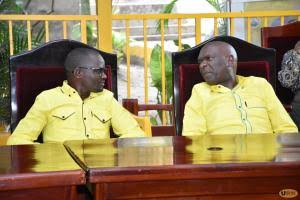

Former Bukedia County MP
What pressures or incentives influenced Yusuf Nsibambi’s decision to switch sides? And what price will he pay? For years, Nsibambi was regarded as one of the opposition’s most reliable minds on law and governance—articulate, grounded, and often a pillar on matters of constitutionalism and government accountability.
The question is: Was his conviction from day one about resetting governance in Uganda deeply rooted, or was it situational? Was it ideological or strategic? So, what happened? Was it pressure, fatigue, economic calculation, or survival instinct? When someone with senior opposition roles spanning years changes direction late in the game, it raises deeper questions.
Opposition politics in Uganda often follows a pattern: a politician builds a profile, the system resists, time erodes resolve, incentives rearrange loyalties, and conviction eventually crumbles. History offers many examples—living and deceased—of senior opposition figures whose trajectories end similarly: sidelined, treated as conveniences, discarded.
At a certain stage, and after long commitment, political moves are rarely casual. They follow calculation: repeated defeats, diminishing political returns, internal fragmentation, family and livelihood considerations, networks, and the hard reality that power and access in Uganda are captured by the ruling elite.
Some opposition figures never formally cross. By day, they appear in opposition; by night, they graze in NRM fields. For many, this has become a career strategy. There are numerous cases, which we will not name—for now. Many opposition politicians leverage platforms to build visibility until absorbed into the system they once critiqued. Nsibambi’s move is therefore not only about him as an individual—it reflects the fragility of political conviction within a high-pressure, captured system.
The pressing question is: Who remains to champion the voiceless? How can the alternative voice be strengthened so that conviction becomes a sustainable choice rather than a luxury? The public has a role to play. Politicians respond to incentives. If voters reward defection with silence, defections will continue. If ideological nomadism is normalized, ideology will disappear. If citizens disengage from civic life, survival politics will dominate.
The public cannot lament political betrayal while financing it through apathy. A strong opposition survives on citizens who refuse to be bought, intimidated, or distracted. The deeper question, therefore, is not only why politicians cross—but whether citizens are prepared to make crossing politically costly.


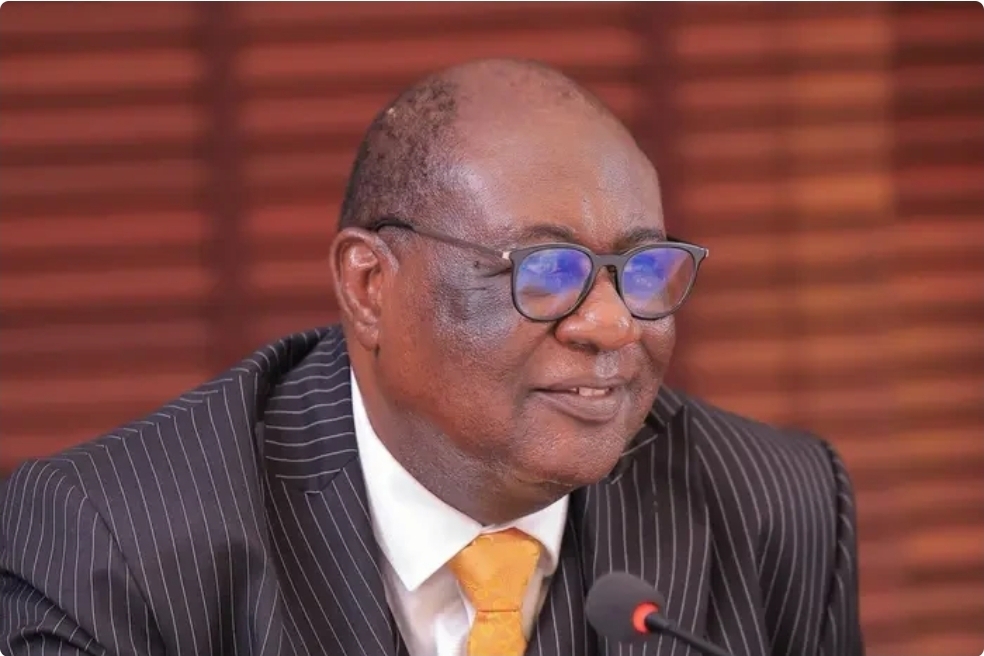 Government will not gazette Kijanangoma as King of Tooro for now - Attorney General insists
Ultimate Uganda
Government will not gazette Kijanangoma as King of Tooro for now - Attorney General insists
Ultimate Uganda
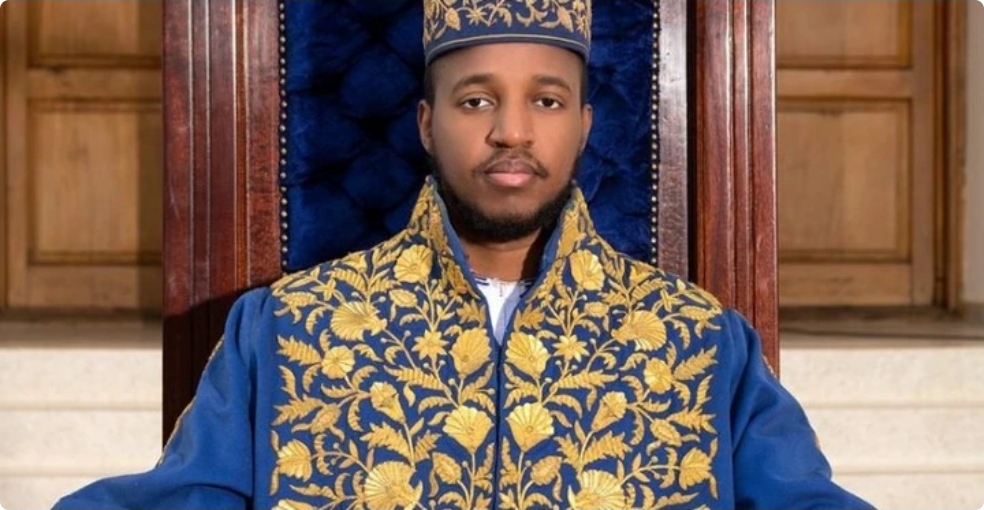 King Oyo’s Body to Arrive Thursday
Ultimate Uganda
King Oyo’s Body to Arrive Thursday
Ultimate Uganda
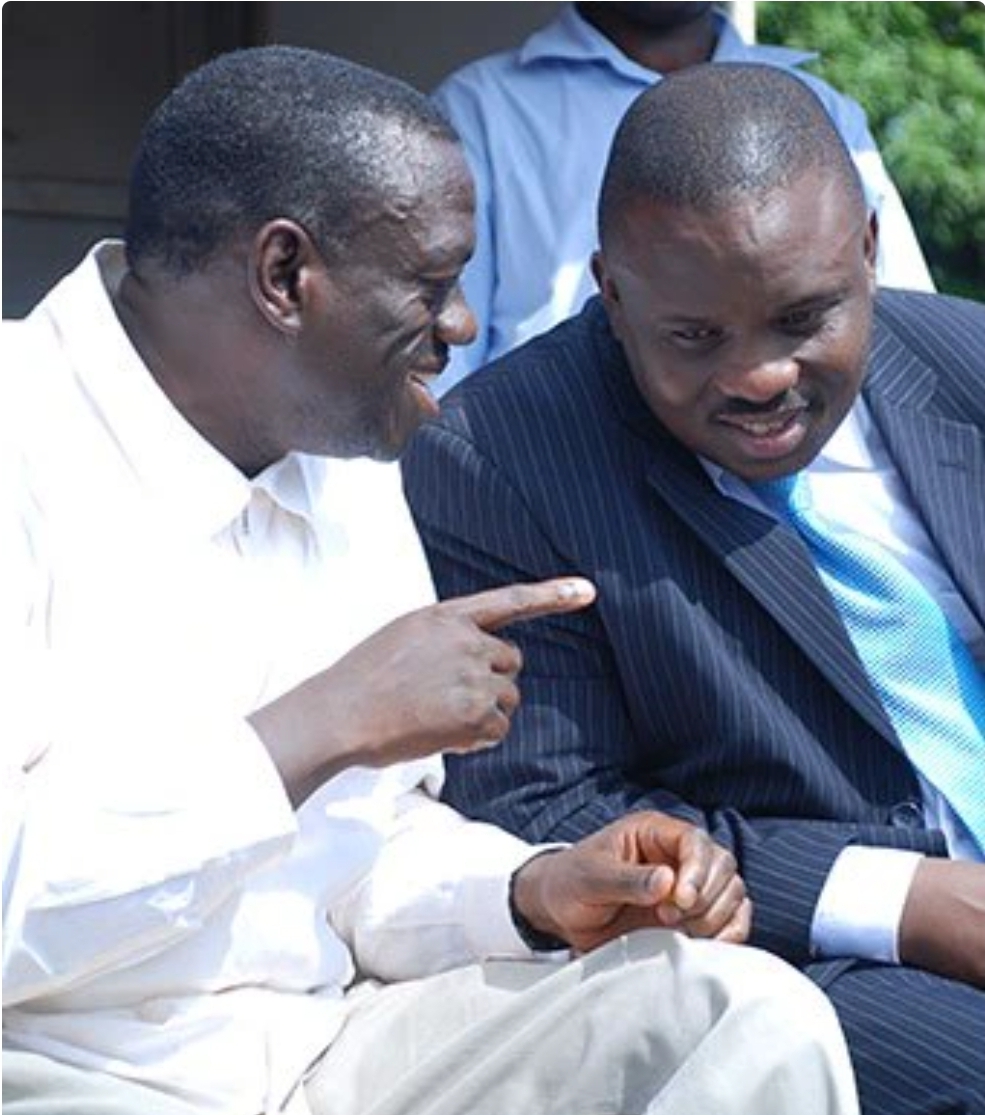 Besigye, Lukwago expected to meet Gen. Salim Saleh today at Kapeeke
Ultimate Uganda
Besigye, Lukwago expected to meet Gen. Salim Saleh today at Kapeeke
Ultimate Uganda
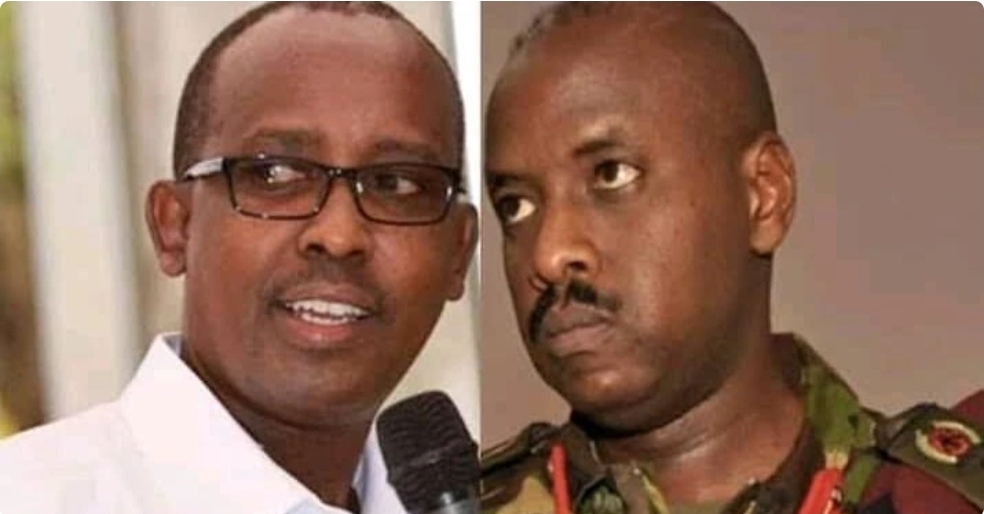 Rwabwogo Advised to ‘Eat His Bishop’ As MK Prepares to Enter State H’se: PREZ MUSEVENI ON HIS WAY OUT
Ultimate Uganda
Rwabwogo Advised to ‘Eat His Bishop’ As MK Prepares to Enter State H’se: PREZ MUSEVENI ON HIS WAY OUT
Ultimate Uganda
0 Comments