
Uganda Records 2 Million Births in 2025 as Health System Struggles to Keep Pace
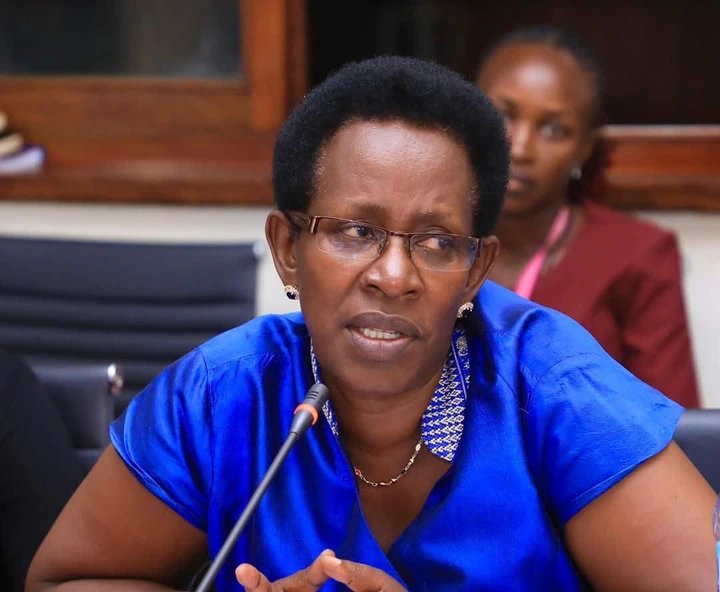

Uganda recorded approximately 2 million births in 2025, according to Dr Diana Atwine, the Permanent Secretary at the Ministry of Health, who warned that rapid population growth is outpacing the country’s healthcare capacity.
Speaking before Parliament’s Public Accounts Committee (PAC) during a review of the December 2025 Auditor General’s report, Atwine noted that the number could have approached 3 million were it not for infant and maternal deaths.
“The growth in population is not being matched by the growth in health services. This mismatch is now evident in the congestion and demand we are seeing across public facilities,†she said.
The ministry has observed a growing trend of patients shifting from private and not-for-profit facilities to government hospitals, further straining public healthcare infrastructure.
“We are seeing more patients who previously used private facilities now coming to government hospitals, significantly contributing to congestion,†Atwine added.
Staffing shortages remain a critical challenge, with some regional referral hospitals operating at just 24% to 28% capacity. Although the Ministry of Finance has allocated additional funding, staffing levels are only expected to rise modestly to between 35% and 38%.
Members of Parliament raised concerns that understaffed regional facilities are failing to ease pressure on national referral hospitals.
Patrick Nsamba Oshabe, the Kassanda North MP, questioned whether the original objective of regional referral hospitals is being met.
“If regional referral hospitals were adequately staffed, many cases would be handled there, reducing congestion at national facilities,†he said.
Similarly, Sarah Achieng Opendi, the Tororo District Woman MP, criticized the inability of some facilities to attract senior consultants, even those located near Kampala.
“It is appalling that a hospital just two hours from Kampala cannot attract a single senior consultant,†she said.
The shortage of specialists is also affecting the training of medical interns, who depend on experienced consultants for supervision. Atwine warned that inadequate training could have long-term consequences for healthcare delivery.
Despite investments in medical equipment, including intensive care units (ICUs), many facilities are unable to fully utilize them due to a lack of trained personnel such as intensivists and acute care nurses.
“We have the equipment, but we don’t have the specialists to use it. The few specialists we have are like a drop in the ocean,†Atwine said.
The Ministry of Health is now calling for sustained investment in training medical specialists and expanding the health workforce to match Uganda’s rapidly growing population, warning that without urgent intervention, congestion and declining quality of care could worsen.


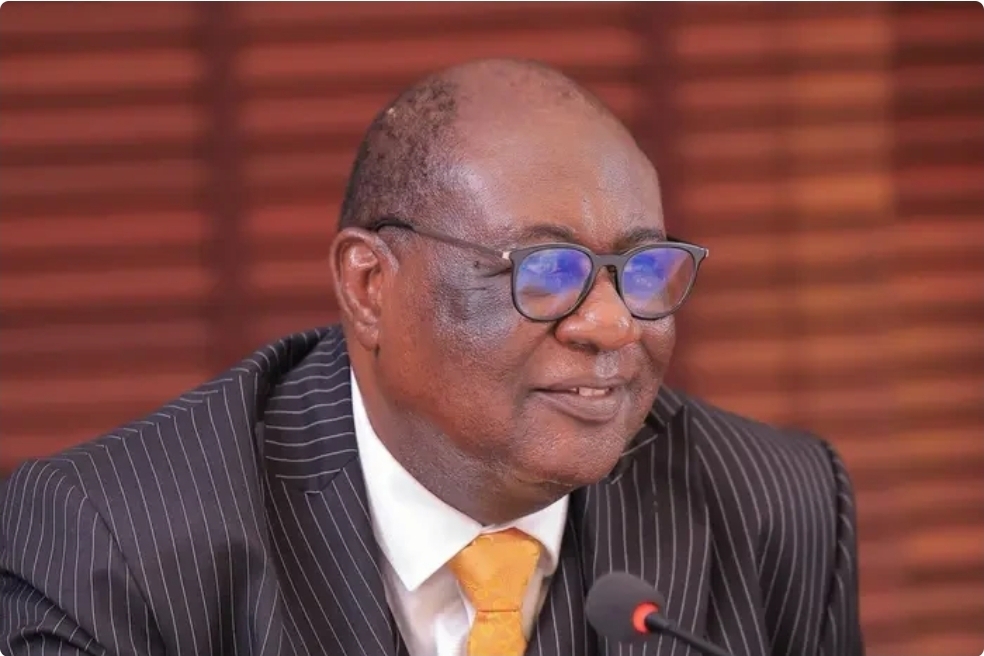 Government will not gazette Kijanangoma as King of Tooro for now - Attorney General insists
Ultimate Uganda
Government will not gazette Kijanangoma as King of Tooro for now - Attorney General insists
Ultimate Uganda
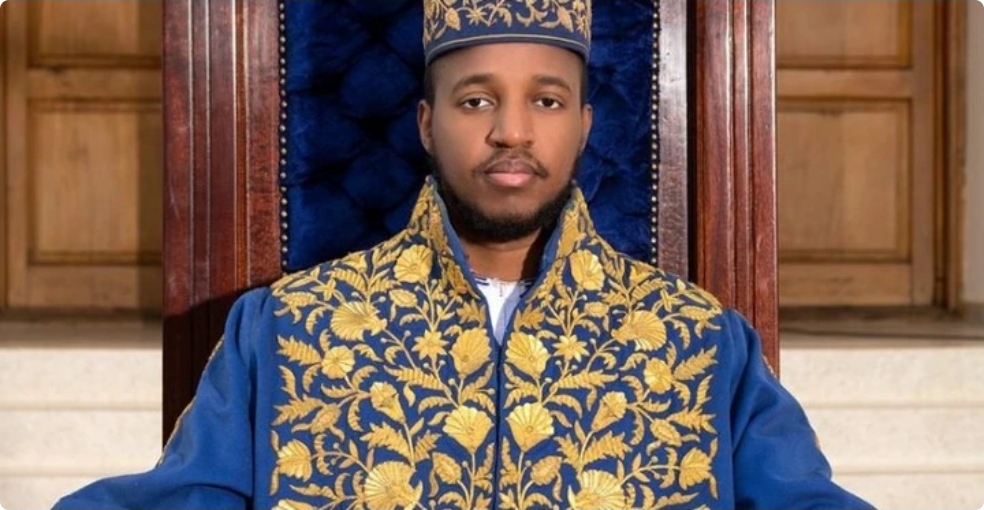 King Oyo’s Body to Arrive Thursday
Ultimate Uganda
King Oyo’s Body to Arrive Thursday
Ultimate Uganda
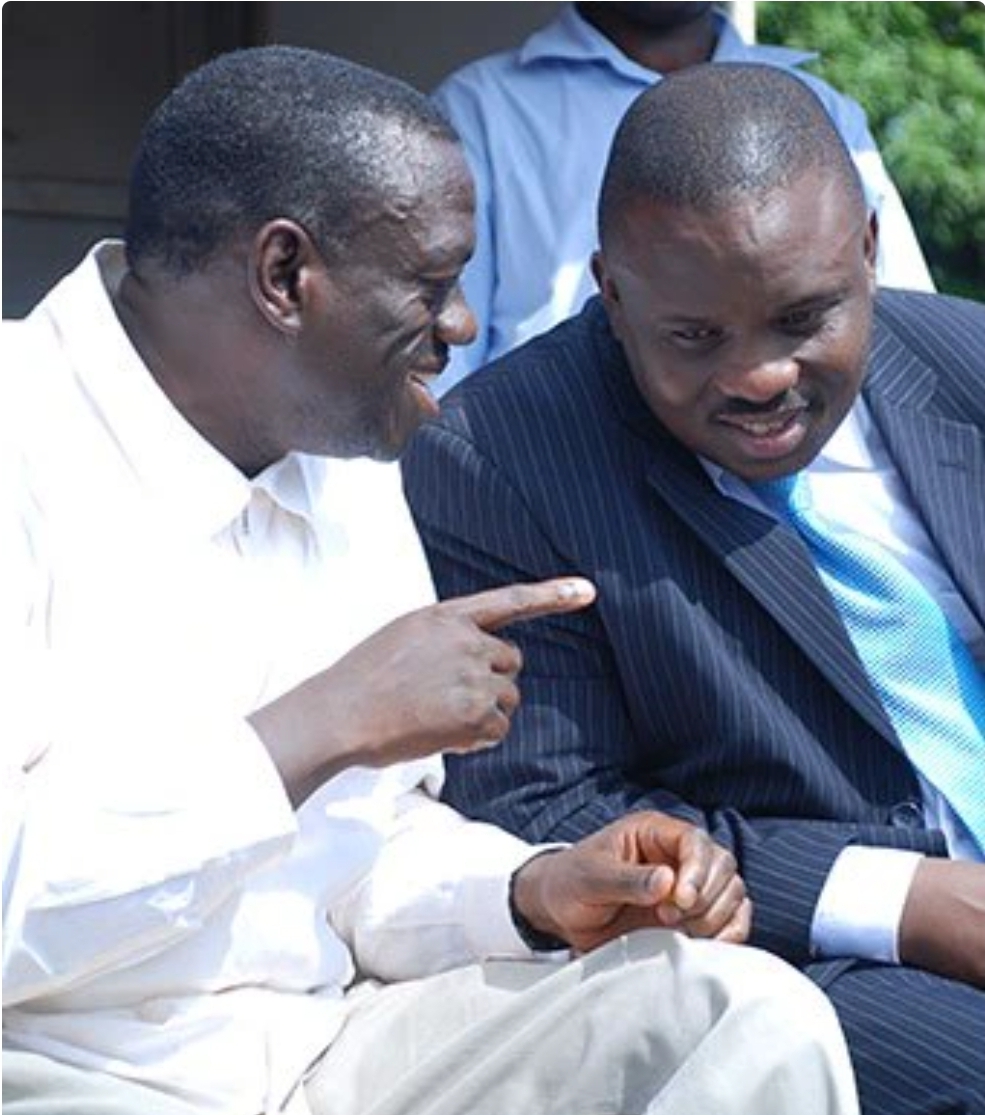 Besigye, Lukwago expected to meet Gen. Salim Saleh today at Kapeeke
Ultimate Uganda
Besigye, Lukwago expected to meet Gen. Salim Saleh today at Kapeeke
Ultimate Uganda
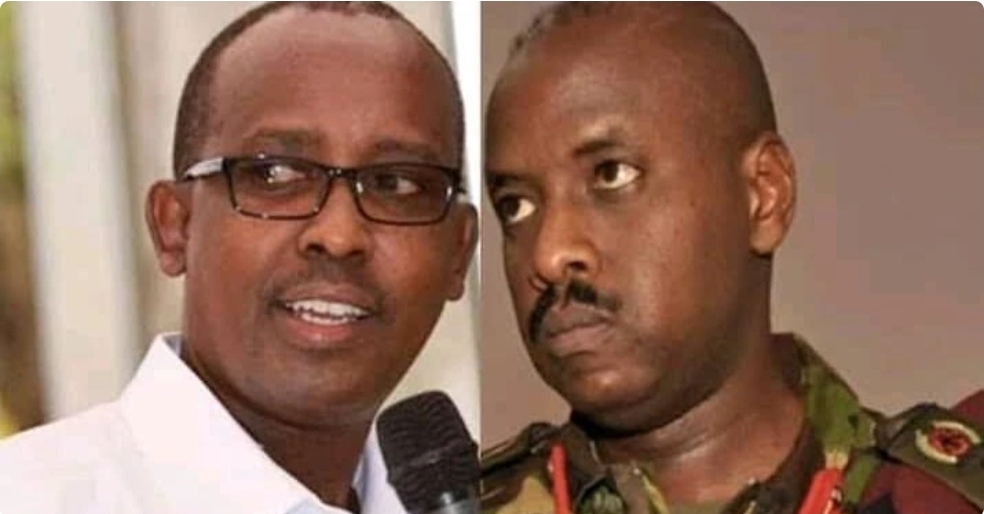 Rwabwogo Advised to ‘Eat His Bishop’ As MK Prepares to Enter State H’se: PREZ MUSEVENI ON HIS WAY OUT
Ultimate Uganda
Rwabwogo Advised to ‘Eat His Bishop’ As MK Prepares to Enter State H’se: PREZ MUSEVENI ON HIS WAY OUT
Ultimate Uganda
0 Comments