
Sovereignty Bill Criticism Is Misguided, Says Nsibambi
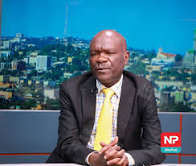

The emotional reactions to the bill misrepresent it. It’s very difficult for the common man to fully understand the bill’s gist. It’s our responsibility as elites to explain to the public the full purpose of the bill.
Former FDC deputy president argues opposition to proposed law is driven by emotion rather than technical understanding
Outgoing Mawokota South Member of Parliament Yusuf Nsibambi has defended the Protection of Sovereignty Bill, 2026, arguing that much of the criticism directed at the proposed legislation is based on misunderstanding and political emotion rather than a proper legal interpretation of its provisions.
Speaking during NBS Morning Breeze on Tuesday, Nsibambi, who previously served as Deputy President for the Central Region in the Forum for Democratic Change (FDC), said the bill should be assessed from a technical and legal perspective.
“I know the defects in the existing laws and what the Sovereignty Bill seeks to cure,†he said.
“The emotional reactions to the bill misrepresent it. It’s very difficult for the common man to fully understand the bill’s gist. It’s our responsibility as elites to explain to the public the full purpose of the bill.â€
Nsibambi defended the rationale behind the proposed legislation, arguing that Uganda must guard against what he described as increasing foreign interference in domestic affairs.
He cited actions by external actors, including the European Union Parliament summoning Ugandan officials, which he said undermines national sovereignty.
On the issue of foreign funding, Nsibambi maintained that governments have a responsibility to regulate financial flows that may influence political processes or destabilize state structures.
“If people have decided that National Resistance Movement (NRM) should be in charge and then you get funding from elsewhere to divert the population, what do you expect the government to do?†he said.
He added that individuals and groups operating outside formal state structures should not receive foreign funding capable of influencing governance outcomes.
Nsibambi further suggested that sections of the opposition view the bill negatively because they believe foreign support can be used to challenge the government politically.
“The Sovereignty Bill could be sentimental on the side of the opposition because they have an illusion that you can remove the government through foreign interference,†he said.
The Protection of Sovereignty Bill, 2026, tabled by State Minister for Internal Affairs David Muhoozi, proposes sweeping regulatory measures intended to limit foreign influence in Uganda’s political, economic, and civic spaces.
Among its key provisions is the creation of a broad category known as “agents of foreigners,†covering individuals and organizations whose activities are financed, directed, or influenced by foreign entities.
The proposed law also extends regulation to digital platforms, placing online activism, civic engagement, and advocacy under government oversight.
Entities and individuals receiving foreign funding would be required to register with a designated department under the Ministry of Internal Affairs. The process would involve extensive vetting procedures, including disclosure of identity details, financial records, and professional affiliations.
Financial restrictions are another central feature of the bill. It proposes a cap of approximately Shs 400 million in annual foreign funding without prior ministerial approval, while banks and money transfer services would be required to submit monthly reports on transactions linked to affected entities.
Foreign-funded organizations operating in sectors such as education, health, water, and infrastructure would also require Cabinet approval before undertaking certain activities.
One of the most controversial aspects of the bill is the proposed offence of “economic sabotage,†broadly defined to include publishing information considered harmful to Uganda’s economic stability or mobilizing opposition to government policy without authorization.
The proposed penalties are severe, including prison sentences of up to 20 years for individuals, alongside heavy fines and possible confiscation of organizational funds.
Government officials have defended the legislation as necessary to safeguard Uganda from covert foreign influence and external interference.
However, critics, including civil society organizations, legal analysts, and development practitioners, argue that the bill’s broad scope could undermine constitutional freedoms such as freedom of expression, association, and access to information.
Concerns have also been raised over the ambiguity of offences like “economic sabotage,†with critics warning that journalists, researchers, activists, and ordinary citizens could face prosecution for public commentary or criticism of government policy.
Economists and development stakeholders have further cautioned that the bill could discourage foreign investment and disrupt donor-funded programmes in sectors heavily dependent on international partnerships.
Despite sustained criticism, the bill appears likely to advance through Parliament, where the ruling National Resistance Movement (NRM) maintains a dominant majority and strong institutional backing for government-sponsored legislation.


 Government will not gazette Kijanangoma as King of Tooro for now - Attorney General insists
Ultimate Uganda
Government will not gazette Kijanangoma as King of Tooro for now - Attorney General insists
Ultimate Uganda
 King Oyo’s Body to Arrive Thursday
Ultimate Uganda
King Oyo’s Body to Arrive Thursday
Ultimate Uganda
 Besigye, Lukwago expected to meet Gen. Salim Saleh today at Kapeeke
Ultimate Uganda
Besigye, Lukwago expected to meet Gen. Salim Saleh today at Kapeeke
Ultimate Uganda
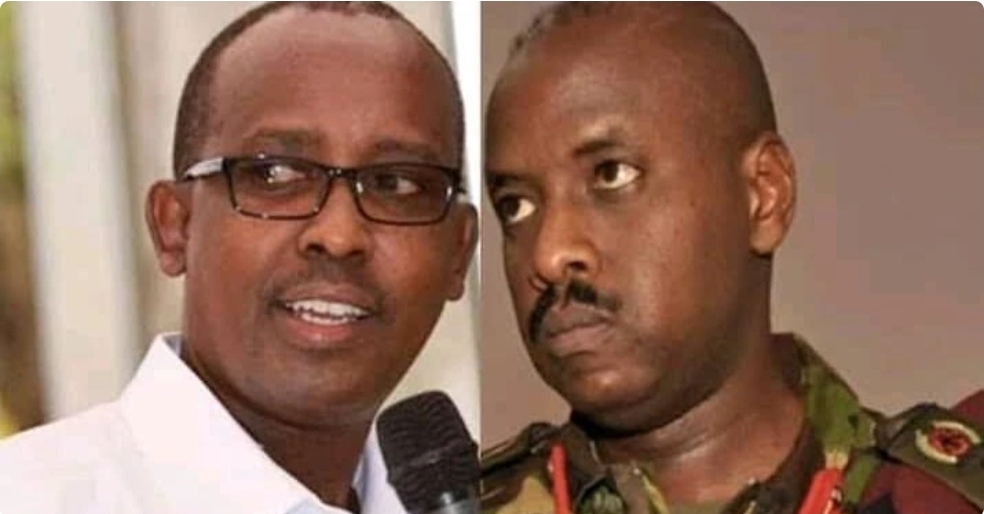 Rwabwogo Advised to ‘Eat His Bishop’ As MK Prepares to Enter State H’se: PREZ MUSEVENI ON HIS WAY OUT
Ultimate Uganda
Rwabwogo Advised to ‘Eat His Bishop’ As MK Prepares to Enter State H’se: PREZ MUSEVENI ON HIS WAY OUT
Ultimate Uganda
0 Comments