
Fuel Price Surge Pushes Up Food Costs in Ibanda
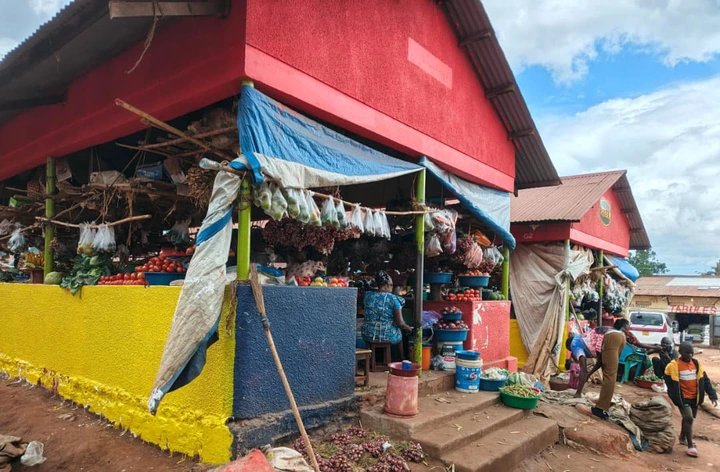

Vendors say rising transport expenses are driving price hikes, but weak consumer demand is squeezing their profits.
Ibanda District is experiencing a sharp increase in food prices, with vendors attributing the trend to rising fuel costs that have driven up transportation expenses across the supply chain.
A mini-survey conducted at Ibanda Central Food Market shows that several staple commodities have registered noticeable price hikes in recent weeks, leaving both traders and consumers under pressure.
Irish potatoes, a staple food for many, have seen significant increases. A basin that previously sold for between Shs25,000 and Shs30,000 now costs between Shs30,000 and Shs40,000.
Discover more
produce
Meat & Seafood
food
Meat prices have also risen, with a kilogram now retailing between Shs18,000 and Shs20,000, up from the previous range of Shs16,000 to Shs18,000.
Vendors say the spike in fuel prices has made it more expensive to transport produce from farms to markets, forcing them to adjust retail prices to stay afloat.
“Transport costs have gone up because of fuel prices, and this has affected us directly. We have no option but to increase the prices of food,†said Christine Kyomugisha, a vendor at Ibanda Central Food Market.
However, traders say the higher prices are not translating into increased profits, as many customers can no longer afford basic food items.
“Even when we increase prices, buyers are few. Some of our food, especially perishable items, ends up going bad because people cannot afford it,†another vendor said.
The situation has left traders grappling with rising operational costs while facing declining sales, creating a difficult balancing act.
Vendors are now calling on the government to intervene and stabilise fuel prices, arguing that lower transport costs would help ease food prices and restore affordability.
“We appeal to the government to look into the issue of fuel prices because it is affecting everyone—from transporters to traders and the final consumer,†one trader said.
If the trend persists, both traders and residents warn that access to affordable food could become an even greater challenge in the district.


 Starlink goes live in Uganda; price comparisons against MTN, Airtel
Ultimate Uganda
Starlink goes live in Uganda; price comparisons against MTN, Airtel
Ultimate Uganda
 NSSF sets September 24 for Annual Members Meeting as savers await interest rate declaration
Ultimate Uganda
NSSF sets September 24 for Annual Members Meeting as savers await interest rate declaration
Ultimate Uganda
 Boda boda riders launch e-commerce, digital loans platform
Ultimate Uganda
Boda boda riders launch e-commerce, digital loans platform
Ultimate Uganda
 Rwanda: We Cannot Sit and Watch As Illicit Alcohol Kills People - Kagame
Ultimate Uganda
Rwanda: We Cannot Sit and Watch As Illicit Alcohol Kills People - Kagame
Ultimate Uganda
0 Comments