
Bushenyi Road Crash: Drivers Renew Calls for EPS
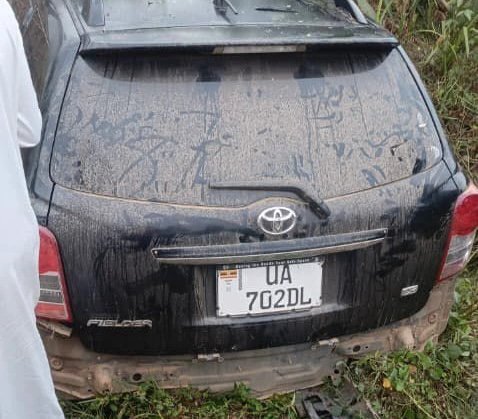

A deadly crash along the Mbarara–Bushenyi–Ishaka road has reignited pressure from drivers and officials to restore automated traffic enforcement, as Uganda continues to record rising road deaths linked to speeding and weak policing.
Eight people were killed early Saturday in a crash along the Mbarara–Bushenyi–Ishaka road, sharpening calls for the urgent return of automated traffic enforcement systems amid growing concern over road safety.
The accident occurred about one kilometre from Kabwohe on a stretch long described by residents as dangerous due to its narrow width, potholes and frequent speeding.
The latest fatalities add to a pattern of deadly crashes on major highways where high speeds, poor road conditions and limited enforcement continue to combine with devastating consequences.
“Mbarara–Bushenyi–Ishaka road is characterised by a narrow roadway interspersed with numerous potholes and overspeeding,†a local resident said, warning that repeated appeals for lasting fixes have gone largely unanswered. “Measures have been limited to filling potholes with soil, which has not addressed the underlying issues.â€
Police data shows Uganda recorded 26,044 crashes in 2025, up from 25,107 in 2024. Of these, 4,602 were fatal, resulting in more than 5,300 deaths.
More than 40 percent of the crashes are attributed to reckless driving, including speeding, dangerous overtaking and tailgating.
For drivers, the issue extends beyond infrastructure to enforcement gaps. The Uganda Professional Drivers Network (UPDN) says predictable or inconsistent policing has allowed dangerous behaviour to persist.
“If a driver knows there is a high chance of being caught, they will slow down,†said Richard Ogwal, a UPDN member. “But if enforcement is predictable or absent, risky behaviour returns immediately.â€
Officials at the Ministry of Works and Transport acknowledge the limitations of manual enforcement, citing a shortage of traffic personnel.
“We don’t even have more than 2,000 traffic officers across the country,†said Robert Kisakye, a senior licensing officer. “They go for lunch, they take leave. They are human. There are limitations.â€
The enforcement gap has renewed calls for the return of the Express Penalty System (EPS), a technology-driven system designed to monitor traffic violations continuously.
Using cameras, EPS detects offences in real time and issues penalties without direct human involvement.
“When you are shown a video of how you were driving, with the speed recorded, you just accept. The evidence is clear,†Kisakye said.
Drivers’ representatives argue that such systems could help eliminate long-standing enforcement weaknesses, including roadside bribery.
“As many road users know, ‘Gambanogu’ is itself part of the problem,†UPDN said, referring to informal payments that undermine compliance.
Government has since acknowledged that earlier implementation challenges, including speed limit concerns, were misapplied. Officials say the revised rollout will focus on high-risk zones such as schools, markets and residential areas.
For residents along the Mbarara–Bushenyi road, Saturday’s crash underscores the urgency of action.
“The frequency of accidents on this road is concerning, yet there appears to be a lack of adequate response,†said James Asinguza, a local resident.
With thousands continuing to die on Uganda’s roads each year, stakeholders warn that without consistent, technology-backed enforcement, fatal crashes like the one near Kabwohe will remain a recurring tragedy rather than an exception.


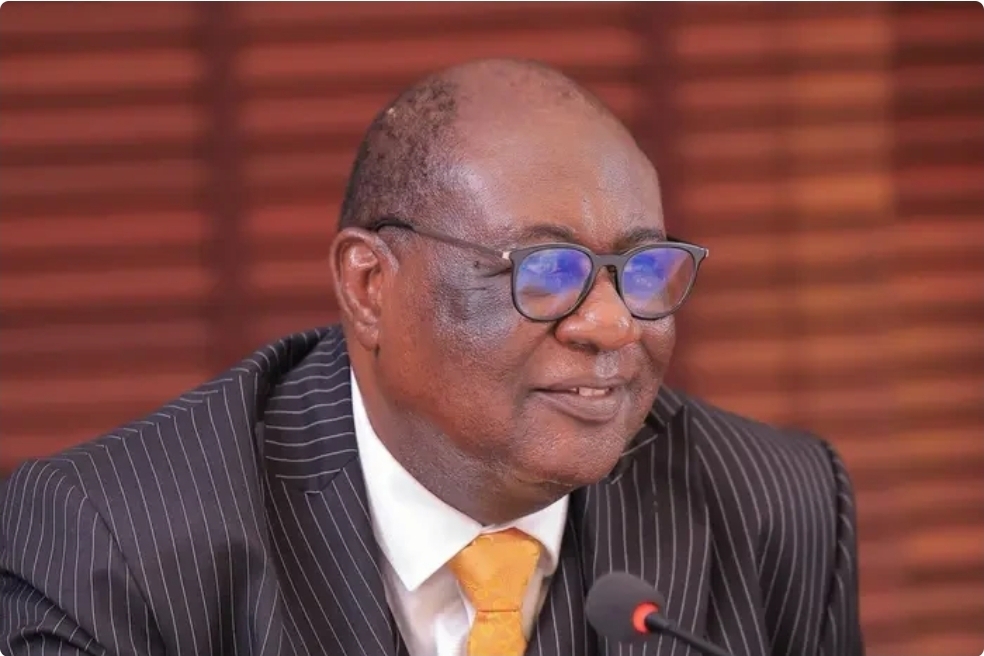 Government will not gazette Kijanangoma as King of Tooro for now - Attorney General insists
Ultimate Uganda
Government will not gazette Kijanangoma as King of Tooro for now - Attorney General insists
Ultimate Uganda
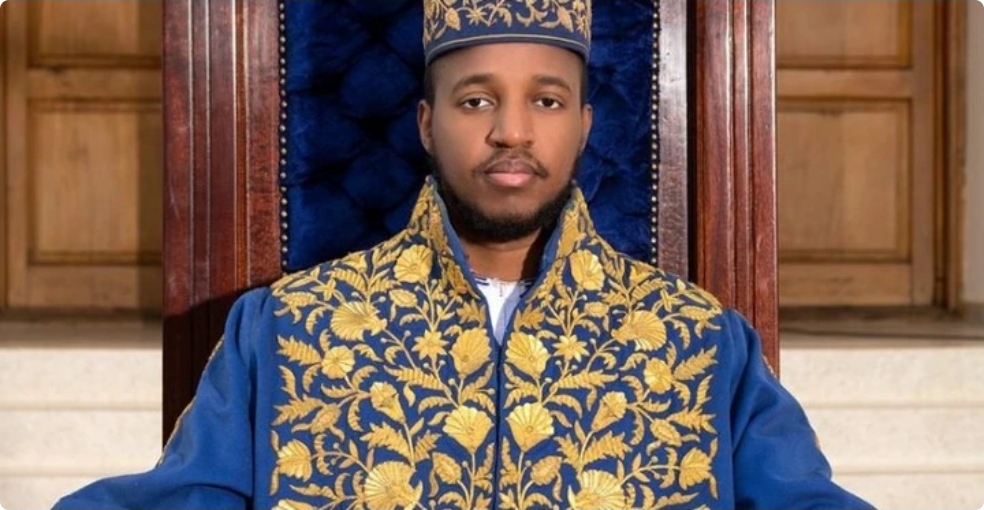 King Oyo’s Body to Arrive Thursday
Ultimate Uganda
King Oyo’s Body to Arrive Thursday
Ultimate Uganda
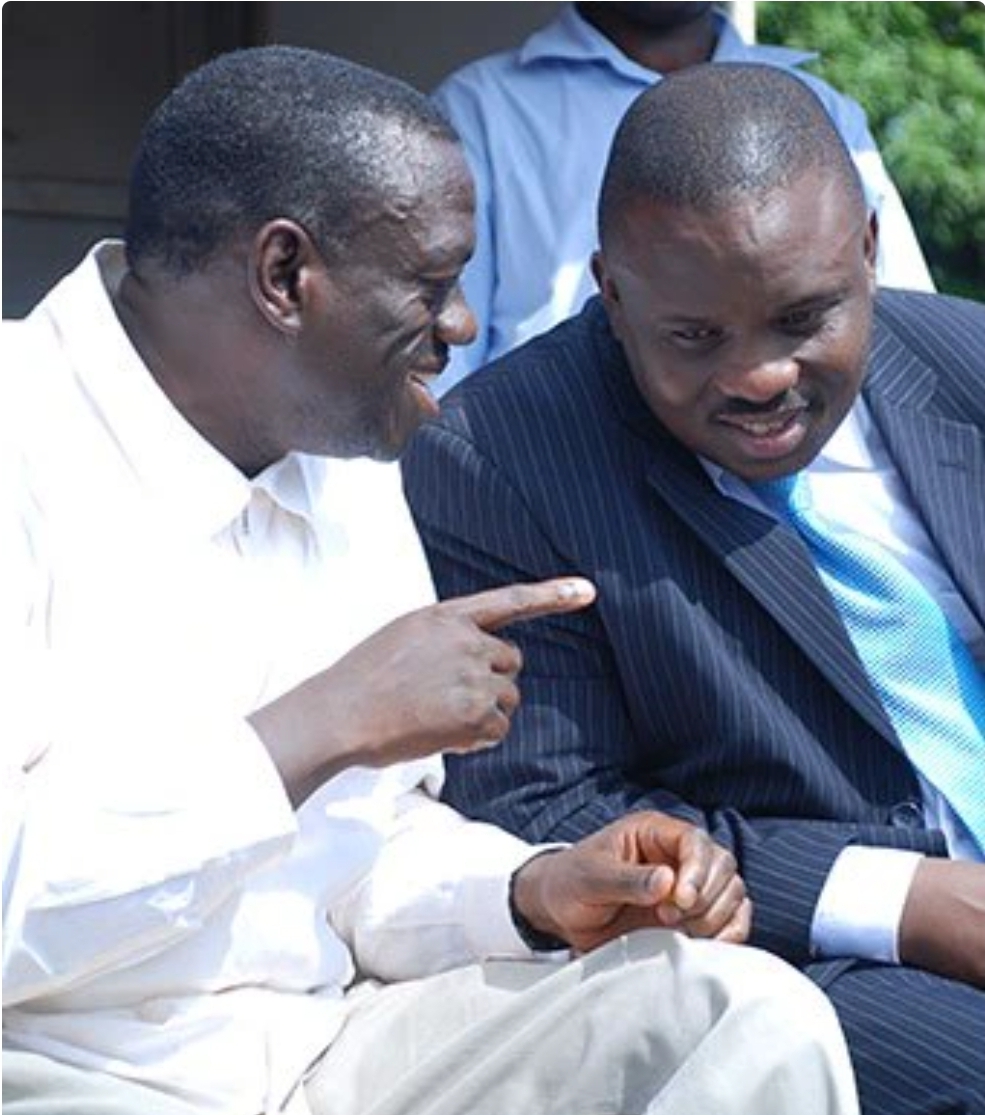 Besigye, Lukwago expected to meet Gen. Salim Saleh today at Kapeeke
Ultimate Uganda
Besigye, Lukwago expected to meet Gen. Salim Saleh today at Kapeeke
Ultimate Uganda
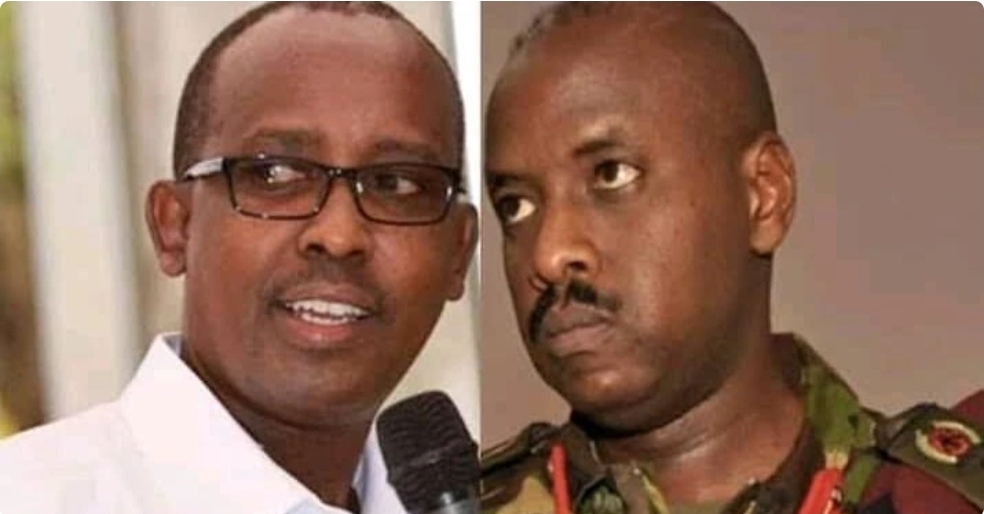 Rwabwogo Advised to ‘Eat His Bishop’ As MK Prepares to Enter State H’se: PREZ MUSEVENI ON HIS WAY OUT
Ultimate Uganda
Rwabwogo Advised to ‘Eat His Bishop’ As MK Prepares to Enter State H’se: PREZ MUSEVENI ON HIS WAY OUT
Ultimate Uganda
0 Comments