
Entebbe Hospital staffing at 21% as MPs warn of growing pressure on health services
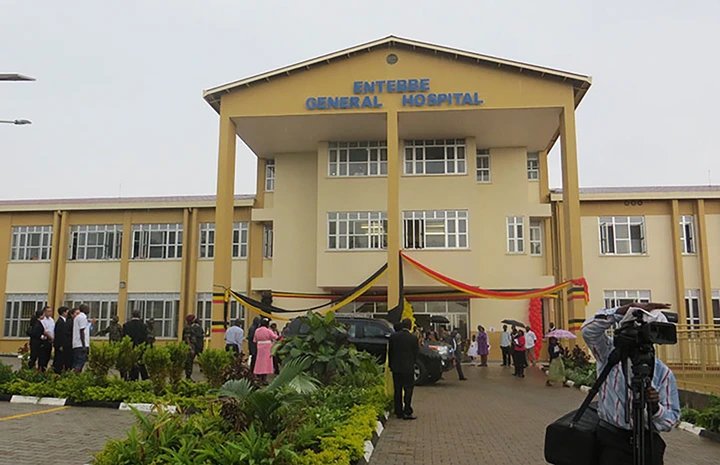

Entebbe Regional Referral Hospital is operating with only about one-fifth of its approved staffing structure as patient numbers rise, raising concerns about workload and quality of care.
Entebbe Regional Referral Hospital is operating with just 21.8% of its approved staffing structure, raising concerns about the pressure on health workers and the quality of care at a facility serving a growing population.
The concern was raised in Parliament by Hon. Betty Ethel Naluyima, who said the staffing gap remains a major challenge at the regional referral hospital.
The revelation comes as Uganda's health sector faces another potential strain from a dispute over the deployment and welfare of medical interns. The Uganda Medical Association has given government a 14-day ultimatum, warning of industrial action if the Ministry of Health fails to provide satisfactory commitments on their deployment and facilitation.
Entebbe's staffing challenge is not new. The hospital's FY2024/25 performance report put staffing at 21.8% of the new approved structure, while patient numbers increased by 13% during the quarter, with inadequate staffing listed among the facility's major challenges.
In 2025, hospital officials told Parliament that the workforce had increased from 181 to 261 staff following an additional wage allocation. Despite the recruitment, staffing only rose from 15.2% to 21.8% of the required establishment. The hospital was reported to require about 1,195 staff.
The hospital therefore made progress in recruitment but remains far from adequately staffed.
Its workload is also substantial. Entebbe Regional Referral Hospital serves patients from several districts, including Wakiso, Kampala and Mpigi. During the fourth quarter of FY2024/25, it recorded more than 31,500 general outpatient attendances, 3,424 admissions and 6,911 specialised outpatient attendances, while bed occupancy stood at 88.7%.
These figures point to a busy referral facility operating with a workforce considerably smaller than its approved structure.
Behind the staffing percentage are health workers carrying the consequences. Doctors may have to see more patients with less time between consultations, nurses may cover more patients than is ideal, and specialists may be required to supervise several units, potentially leaving patients waiting longer for consultation, investigations, treatment or referral.
The Auditor General has previously warned that understaffing at referral hospitals can overstretch available personnel and contribute to job-related stress, with consequences for service delivery. An earlier audit of Entebbe Regional Referral Hospital found that only 145 of 552 approved positions were filled at the time.
The staffing concerns also bring the medical internship dispute into sharper focus. Interns are not a substitute for permanent health workers, since their primary purpose is to gain supervised clinical experience after medical school, but their presence provides additional capacity in wards, outpatient departments and other clinical areas.
Their absence can therefore increase pressure on already stretched staff, particularly at facilities such as Entebbe.
A wider health workforce problem
Entebbe's situation reflects a broader challenge in Uganda's health sector, where the country continues to train doctors, nurses and other professionals while public facilities report shortages.
The problem is not simply producing more health workers but recruiting, deploying and retaining them where they are most needed while providing working conditions that allow them to deliver safe care.
Uganda has allocated about Shs5.23 trillion to the health sector in the 2026/27 financial year, but health needs continue to compete with other national priorities. Policymakers must therefore determine how much of available resources should go towards expanding the health workforce and ensuring existing facilities have enough personnel to function effectively.
Entebbe's challenges also extend beyond staffing. In May 2024, Parliament's Public Accounts Committee was told that the hospital's maternity ward did not have a dedicated delivery bed, with a surgical recovery bed being used for deliveries while the facility handled an average of about 20 births a day.
Parliament has also raised concerns about the hospital's capacity to expand mental health services, with limited infrastructure and staffing potentially constraining its ability to handle patients who would otherwise be referred to Butabika National Referral Hospital.
For policymakers, staffing may be a budget line or an establishment figure. For a doctor, it can mean another night shift, while for a nurse it can mean another ward to cover. For the patient, however, it is simply whether there will be someone available to attend to them when they arrive.
That is why the concerns raised by Naluyima should not be treated as another parliamentary statistic.
A staffing level of about 21% means the available workforce is carrying a system designed for far more, and adding uncertainty around medical interns could make an already difficult situation worse.
Deploying interns alone, however, cannot solve the problem. Uganda needs a sustainable health workforce with enough permanent doctors, nurses, midwives, specialists, laboratory personnel and other professionals to safely run its hospitals.
The government must therefore confront a broader question: what kind of health workforce does Uganda need, and what is the financing plan to provide it?
If a regional referral hospital is operating at only about one-fifth of its staffing structure while patient numbers continue to rise, the problem is no longer theoretical. It is in the queue, the ward, the workload carried by health workers and, ultimately, the care received by patients.
The concerns at Entebbe should therefore prompt a wider national conversation about Uganda's health workforce, from medical school and internship to recruitment, deployment and retention.
Uganda cannot continue training health workers on one side while leaving hospitals understaffed on the other.
The real measure of a health system is not how many health workers it trains, but whether, when an Ugandan walks into a hospital in need of care, there is a qualified health worker there to attend to them.


 Museveni steps into Mulago land dispute
Ultimate Uganda
Museveni steps into Mulago land dispute
Ultimate Uganda
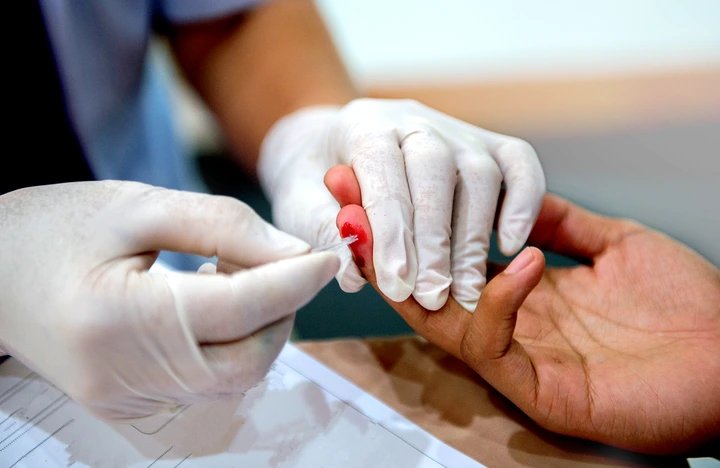 HIV Alarm in Kampala: 211 New Infections Weekly Linked to Massage Parlours, Spas & Lodges
Ultimate Uganda
HIV Alarm in Kampala: 211 New Infections Weekly Linked to Massage Parlours, Spas & Lodges
Ultimate Uganda
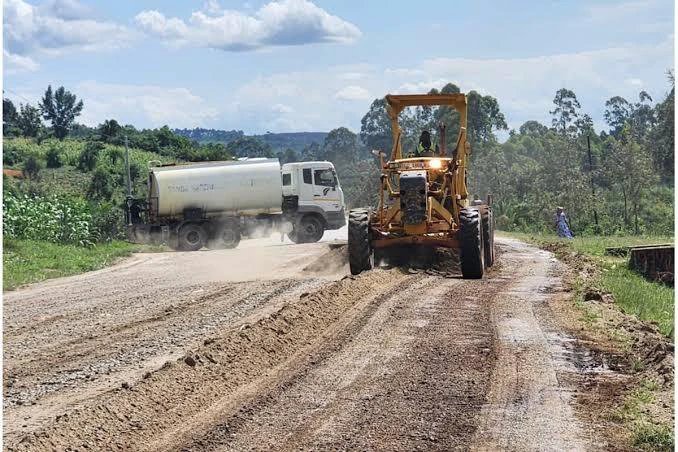 Uganda: ‘Delayed land acquisition stalling road works’
Ultimate Uganda
Uganda: ‘Delayed land acquisition stalling road works’
Ultimate Uganda
 Fearless Former Minister Criticizes M7 For Always Betraying Sr Colleagues While Claiming to Be Fighting Corruption, Urges Barugahara & Nameere to Watch their Back
Ultimate Uganda
Fearless Former Minister Criticizes M7 For Always Betraying Sr Colleagues While Claiming to Be Fighting Corruption, Urges Barugahara & Nameere to Watch their Back
Ultimate Uganda
0 Comments