
Betty Nambooze Bakireke: How a Political Icon Drifted into a Fourth-Term Survival Crisis
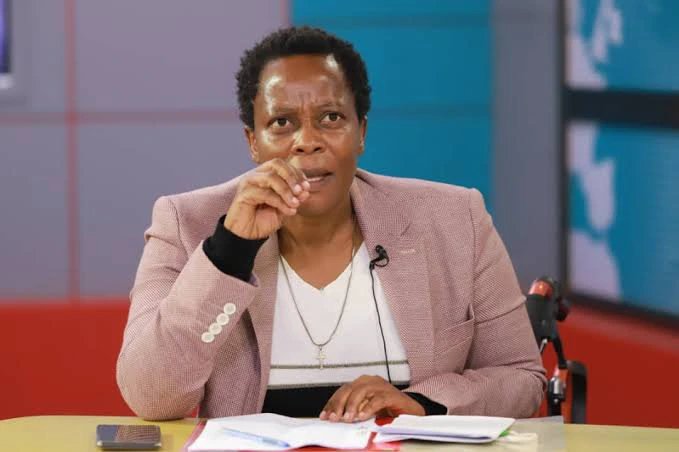

Hon. Betty Bakireke Nambooze was once among the clearest symbols of defiance in Uganda’s opposition politics. Her courage under repression, sharp tongue, and legislative activism gave her a moral authority few politicians enjoyed. Yet as the 2026 elections approach, securing a fourth parliamentary term has become her most difficult contest — not because the state has suddenly grown stronger, but because her own political foundations have weakened.
Her rallies, her social media accounts, and her campaign speeches show a real shadow of the past Mukono iron lady for whom vehicles on Jinja Road used to stop just to listen to her.
Her predicament is best understood not as a single failure, but as the product of structural decline, shifting political culture, avoidable strategic errors, and the emergence of more grounded opponents.
Like many long-serving opposition politicians, Nambooze has struggled to reinvent herself in a rapidly evolving political environment.
From resistance politics to diminishing returns
In her early parliamentary years, Nambooze’s appeal was clear. She embodied resistance. Arrests, beatings, and confrontations with the regime built her image as a fearless fighter. Voters rewarded that courage.
But politics, unlike popularity, is not infinitely renewable.
After three terms, resistance alone ceased to be sufficient. Constituents, especially younger voters, began asking for measurable outcomes, local investment, and legislative productivity — not just confrontation. This is where her first major weakness emerged: she failed to transition convincingly from symbolic resistance to results-based leadership.
Opponents have increasingly framed her as a politician anchored more in national activism than constituency service. Whether entirely fair or not, the narrative stuck.
The 2021 NUP wave and the erosion of parliamentary credibility
The 2021 National Unity Platform (NUP) wave reshaped opposition politics but also introduced unintended consequences. Parliament became crowded with MPs perceived as politically inexperienced, underqualified, and ideologically shallow. The MP position, in the public eye, began to look like a job-seeking opportunity rather than a legislative calling.
Nambooze, despite her seniority, was not insulated from this fallout.
Her acceptance, along with other MPs, of the UGX 100 million parliamentary payout associated with passing legislation expanding military court jurisdiction over civilians severely damaged her moral standing. For years she had spoken against authoritarian excess; this moment complicated that record and erased her moral authority to even discuss it.
The damage deepened with revelations that she received over UGX 880 million in public funds for medical treatment in the United States. While health needs are legitimate, politics is unforgiving. For many voters, this made it difficult to reconcile her attacks on regime misuse of funds with her own benefit from the same system.
From that point on, her moral authority, once her strongest asset, was no longer absolute.
Silence where there was once substance
Historically, Nambooze distinguished herself through private members’ bills and vocal parliamentary engagement. She used Parliament as a battleground of ideas.
In her current term, that activism largely disappeared:
No major private members’ bills
Reduced visibility in parliamentary debates
Limited media engagement attacking state excesses
For an incumbent seeking re-election, inactivity is politically lethal. It feeds perceptions of fatigue, complacency, or loss of relevance, especially when challengers are aggressively campaigning on competence and delivery.
The collapse of her campaign machine
Perhaps the most decisive factor in her decline has been the disintegration of her long-standing technical and campaign team.
Since entering Parliament around 2010, Nambooze relied on a disciplined network of young activists, strategists, mobilisers, and communicators. Midway through this term, that team fell apart.
The break was ideological as much as personal. Many insiders cite her role in attacking Mathias Mpuuga Nsamba during the NUP-related fallout, over allegations she was believed to know were politically exaggerated — as the turning point. To them, she chose positional survival over principle, attacking a longtime ally to retain favour within party structures.
The departures were extensive:
Namugera Robert
Mawanda Allan
Mugabi Arthur
Kaweesa Kaweesa
Chief campaigner Sheikh Kayiwa Baker
Her secretary Barbara
Security officer Saasira Yeku
Rebuilding such institutional memory late in a cycle is extremely difficult. Worse still, several of these figures joined her main challenger, Bakaluba Mukasa, transferring experience, networks, and strategic insight directly into an opposing camp.
Creating enemies unnecessarily
Nambooze’s troubles were further compounded by decisions that created avoidable rivals.
She is widely believed to have influenced internal party processes that denied:
Bakaluba Mukasa the NUP party card
Nabukeera the Woman MP ticket
These actions were perceived as politically defensive and vindictive, especially since some of the affected positions did not threaten her seat directly. Voters already uneasy about her long incumbency interpreted these moves as overreach.
The situation escalated when she travelled to Masaka and publicly attacked former ally Mpuuga Nsamba in his constituency. Among many opposition supporters, this crossed an unwritten moral boundary. Disagreements are expected; public humiliation of long-standing allies is not easily forgiven.
Isolation from party leadership
Perhaps the strongest signal of her political marginalisation came when Robert Kyagulanyi (Bobi Wine) visited Mukono for mobilization, and skipped Mukono Municipality.
In Ugandan opposition politics, absence is rarely accidental. Failure to receive direct endorsement from the party’s most powerful mobiliser signaled that Nambooze is no longer central to NUP’s electoral strategy. For a politician who once relied on the presence of senior figures like Mpuuga, Ssegona, and Muwanga Kivumbi to anchor her campaigns, this silence was loud.
Message fatigue and the performance of decline
Today, Nambooze struggles with a message deficit.
Her campaign rhetoric has narrowed to:
Attacking opponents
Revisiting her past sacrifices
Performing generic party symbolism, red attire, chanting youth, and calls to “vote umbrella†without a compelling narrative
This approach no longer resonates. Her social media presence reflects it starkly. Posts that once attracted hundreds of instant reactions now sit for days with fewer than ten comments, most responded to personally by her.
Her rallies mirror this decline. Once capable of drawing massive crowds and causing traffic jams, she now holds evening roadside gatherings that dissolve quietly. Where supporters once escorted her home on foot, she now leaves alone.
In politics, optics matter. These are not neutral images.
The opponent’s advantage: Bakaluba Mukasa
Her principal challenger, Bakaluba Mukasa, capitalizes precisely where she is weakest.
He is:
Deeply rooted in the constituency as a former MP
An investor with visible local stakes
A strong orator
Associated with tangible community impact, especially through education institutions
While Nambooze speaks largely from memory, Bakaluba speaks from presence. That contrast is decisive.
Conclusion: When legacy meets reality
Hon. Betty Nambooze’s fourth-term struggle is not simply about repression, party politics, or betrayal. It is about political renewal deferred too long.
Her challenges arise from:
Moral authority weakened by political compromises
Legislative silence after years of activism
Collapse of an experienced campaign structure
Alienation of allies and creation of unnecessary adversaries
Weak and divided party backing
Stronger, better-grounded challengers
History will remember her courage. Elections, however, reward current relevance, organisation, and credibility.
In a political environment that has shifted from protest to performance, Nambooze’s greatest error may not be losing fights but failing to evolve after winning them.


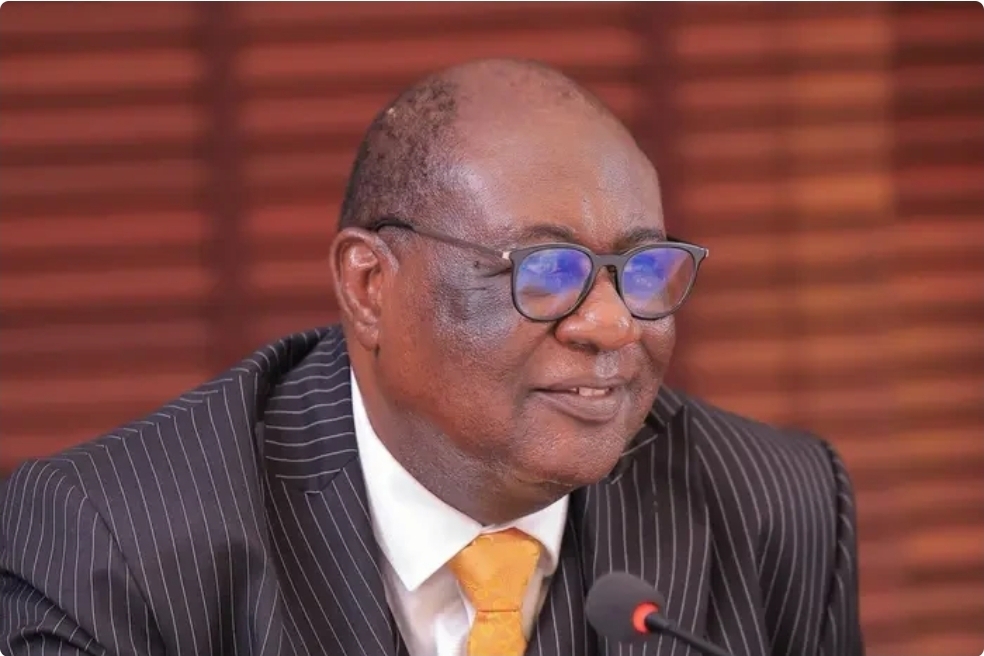 Government will not gazette Kijanangoma as King of Tooro for now - Attorney General insists
Ultimate Uganda
Government will not gazette Kijanangoma as King of Tooro for now - Attorney General insists
Ultimate Uganda
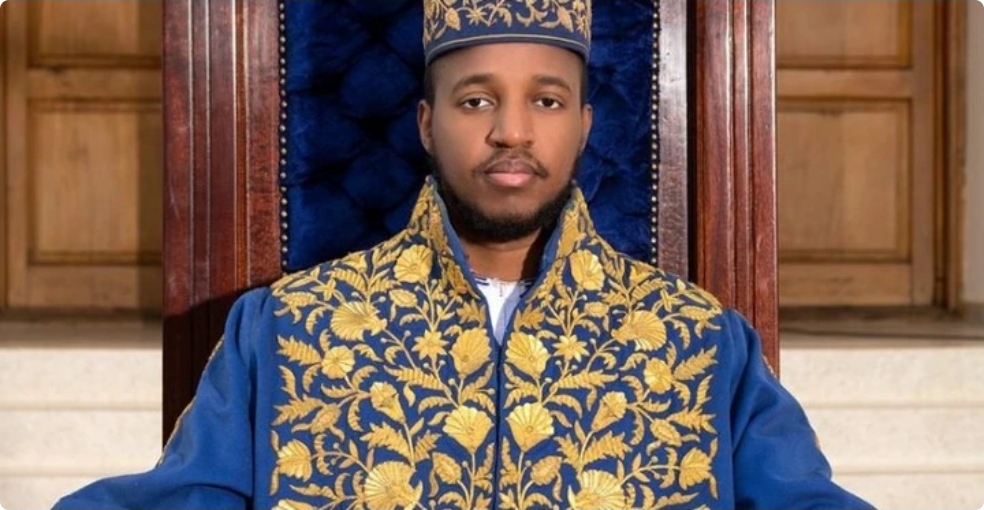 King Oyo’s Body to Arrive Thursday
Ultimate Uganda
King Oyo’s Body to Arrive Thursday
Ultimate Uganda
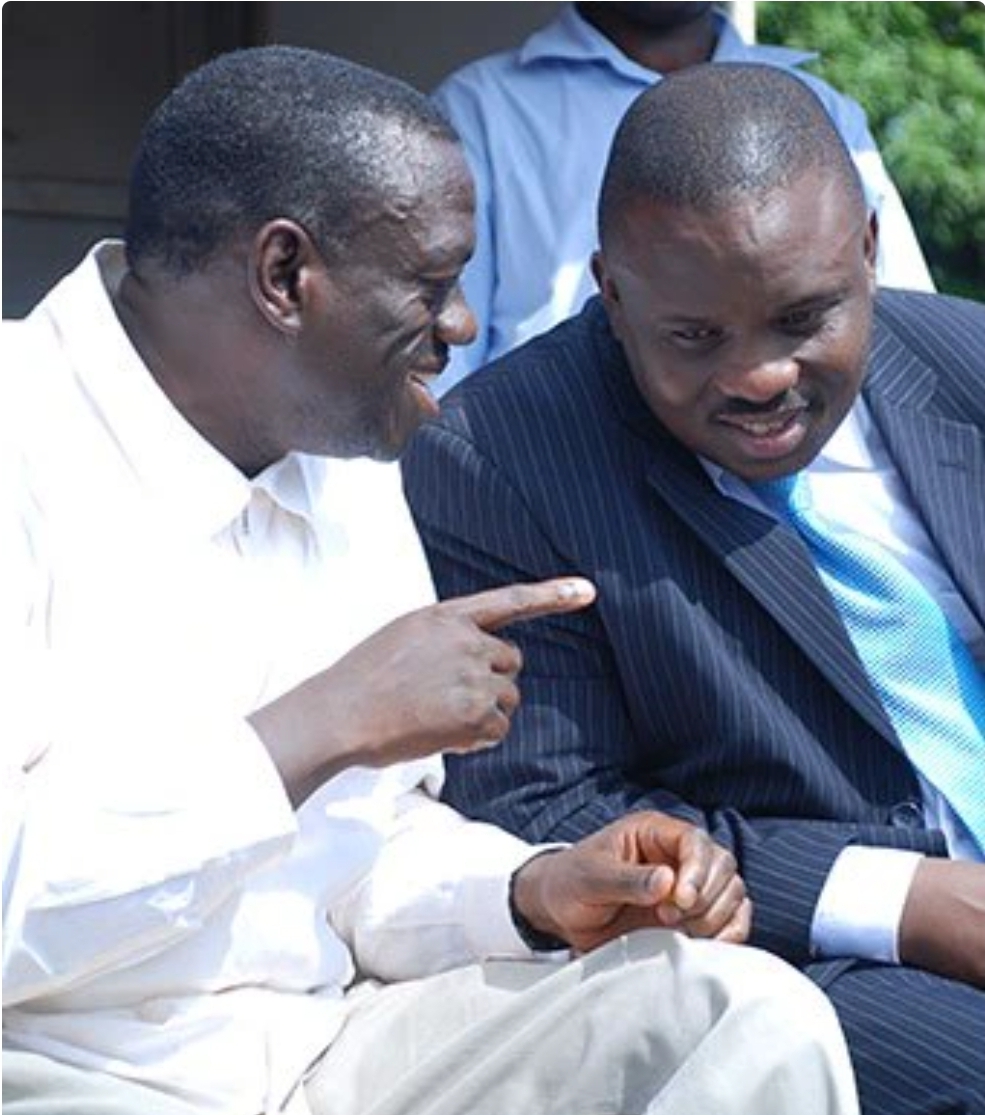 Besigye, Lukwago expected to meet Gen. Salim Saleh today at Kapeeke
Ultimate Uganda
Besigye, Lukwago expected to meet Gen. Salim Saleh today at Kapeeke
Ultimate Uganda
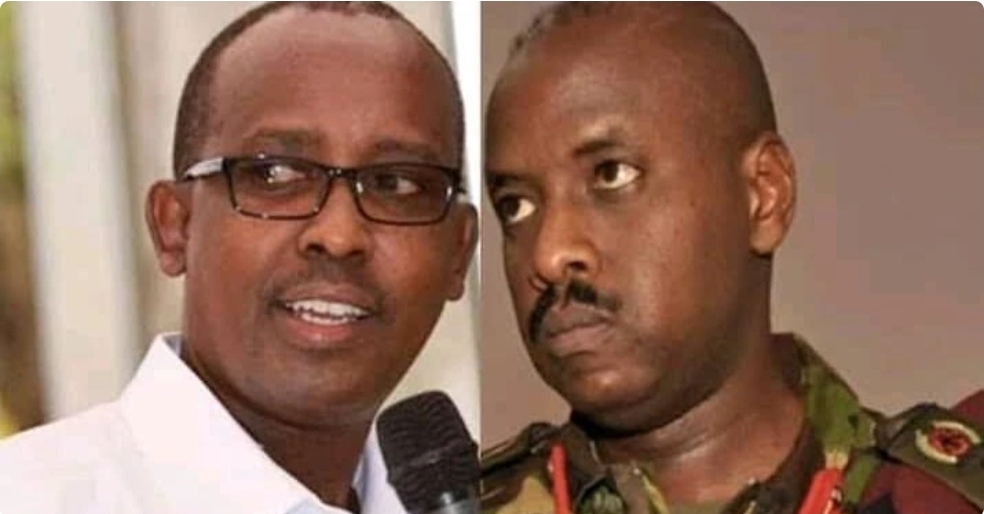 Rwabwogo Advised to ‘Eat His Bishop’ As MK Prepares to Enter State H’se: PREZ MUSEVENI ON HIS WAY OUT
Ultimate Uganda
Rwabwogo Advised to ‘Eat His Bishop’ As MK Prepares to Enter State H’se: PREZ MUSEVENI ON HIS WAY OUT
Ultimate Uganda
0 Comments