
Uganda Election - Museveni Will Win, but the Landscape Has Changed Since His Last Victory.
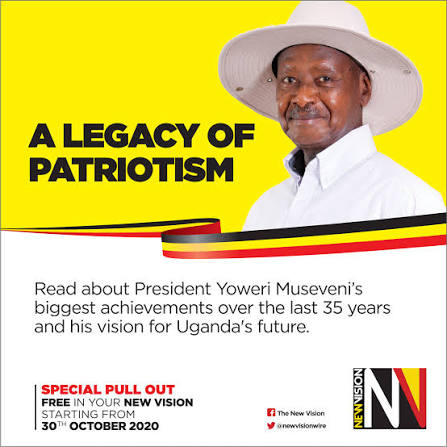

On the eve of Uganda's 2021 presidential election, it was clear that regardless of how Ugandans voted, the incumbent, Yoweri Museveni, would most likely be declared the winner. Amid mounting repression, accusations of vote rigging, and an internet blackout, that is exactly what transpired. Museveni was declared the winner for his sixth consecutive term in office.
Five years on, that prediction could just as easily and accurately be applied to the 15 January 2026 vote. This should not be taken as evidence that national politics in Uganda have remained static. Far from it.
It is true that state repression has remained a constant since the 2021 polls. Museveni's main opponent continues to be a youthful, charismatic political outsider. But the landscape of opposition politics has shifted significantly along with speculation about 81-year-old Museveni's potential successor.
Moreover, recent elections in Mozambique and Tanzania offer a pointed political lesson. Though an oppressive and entrenched ruling party can virtually assure its electoral triumph at the polls, it does not mean that everything after the election will go to its plan.
Keep up with the latest headlines on WhatsApp | LinkedIn
As a researcher of democracy and its discontents in African politics (with a particular focus on east Africa), I have followed the Ugandan case closely over the last six years. In this article, I will elaborate on the four key sources of continuity and change which mark the country's politics heading into the upcoming election.
Bobi Wine remains the face of opposition
Robert Kyagulanyi entered the political scene in 2017 as an independent candidate in a parliamentary by-election, which he won by a landslide. Better known by his stage name, Bobi Wine, the 43-year-old popular musician-turned-presidential candidate has defied the predictions of friends and foes alike to become the undisputed face of Uganda's political opposition.
In my academic research, I have documented his remarkable political rise and ideological evolution.
In an era of African politics marked by growing intergenerational tensions, Bobi Wine has been able to mobilise the younger generation in opposition to almost four decades of Museveni's rule.
His captivating narrative: rising from humble origins in a ghetto of Kamwookya to a life of pop stardom and political defiance. This has made him a global icon, attracting attention in the West, as the subject of an Oscar-nominated documentary and .
Since 2017, he has carved a national political reputation in Uganda. Notably, he:
led protests against the constitutional amendment that lifted presidential age limits, allowing Museveni to run again in 2021
mobilised against a new social media tax that would limit (young) people's access to social media debates
led his party, the National Unity Platform (NUP), to a strong showing in the 2021 election.
With 57 seats in parliament, National Unity Platform became the country's official opposition party. It won impressive support in traditional ruling party strongholds.
The party's massive rallies and Bobi Wine's recent attempts to build bridges across ethno-regional divides suggest that the National Unity Platform is still the country's best hope of toppling Museveni at the polls.
But the opposition faces the ruling party's continued use of violence to manipulate the election. This makes it difficult to know how the National Unity Platform might perform in a free and fair election. More troubling, the incumbent's iron grip on the Ugandan military makes it nearly impossible to imagine a peaceful transfer of power.
State repression persists
As Bobi Wine's popularity has risen, so has state violence against his movement. Nationwide protests against his arrest in November 2020 led to police killings of at least 54 people.
Bobi Wine's political stance has also come at a great cost to himself. He has been arrested, tortured, shot in the leg, and survived multiple assassination attempts.
In the run-up to the 2026 election, prominent the National Unity Platform members remain in detention and have been tortured. In November 2024, opposition veteran Kizza Besigye was renditioned from Nairobi and has since been held in a maximum security prison.
Bobi Wine has likened the campaign trail to "a war". Video footage recently captured police and defence force soldiers beating National Unity Platform security personnel.
The severity of the violence has led the United Nations High Commissioner for Human Rights to warn of a "deepening crackdown on Uganda's opposition" and urge the Museveni regime to "cease ... such repressive tactics".
Museveni's manoeuvrings
The Museveni regime has effectively coopted key political opponents, infiltrated opposition parties, and sowed the seeds of distrust and division among and within them.
In July 2022, the Democratic Party (DP) leader Norbert Mao was appointed as Museveni's new justice minister. Mao once bragged that he could "never be bought". Subsequently, the Democratic Party - Uganda's second oldest political party - entered into a formal cooperation agreement with the ruling National Resistance Movement.
Meanwhile, Besigye has left the Forum for Democratic Change (FDC) after accusing fellow party leaders of accepting "dirty money" from State House.
Even National Unity Platform "isn't really safe from Museveni's infiltration". In early 2024, a high-ranking leader, Mathias Mpuuga, left the party, amid allegations of corruption and wrongdoing during his tenure as leader of the opposition. Mpuuga subsequently started a new party, the Democratic Front. He has since publicly criticised his former party leader.
Breeding internal suspicion and division undermines the opposition's ability to mount a united front against the incumbent.
The rise of Muhoozi
The 2026 elections raise political questions about the fate of Uganda post-Museveni. In the last five years, speculation has centred on the Ugandan president's eldest son, Gen Muhoozi Kainerugaba.
There is a widely held belief that Museveni is grooming his son, the current defence force chief, to be his presidential successor.
The constitution prohibits serving members of this institution from running for political office. Yet Muhoozi has made his own ambitions for political power clear.
Uncharacteristic of a decorated military officer, Muhoozi is given to erratic and at times shocking public outbursts. He also constantly stokes controversy.
But Museveni appears to continue to lay the groundwork for his son's political ascendance. A cabinet reshuffle in March 2024, and more recent party elections, phased out "the old guard" in favour of Muhoozi loyalists. This suggests that the influence and power of Museveni's son is growing.
As political scholar Kristof Titeca recently noted, the National Resistance Movement's electoral victory in January is certain. But the politics of "succession are not".
Paying close attention to the fortunes of Muhoozi loyalists on key party committees and within Museveni's new cabinet after the election, perhaps the Ugandan president's last, will reveal much about the fate of the Muhoozi project. And the political future of Uganda more broadly.


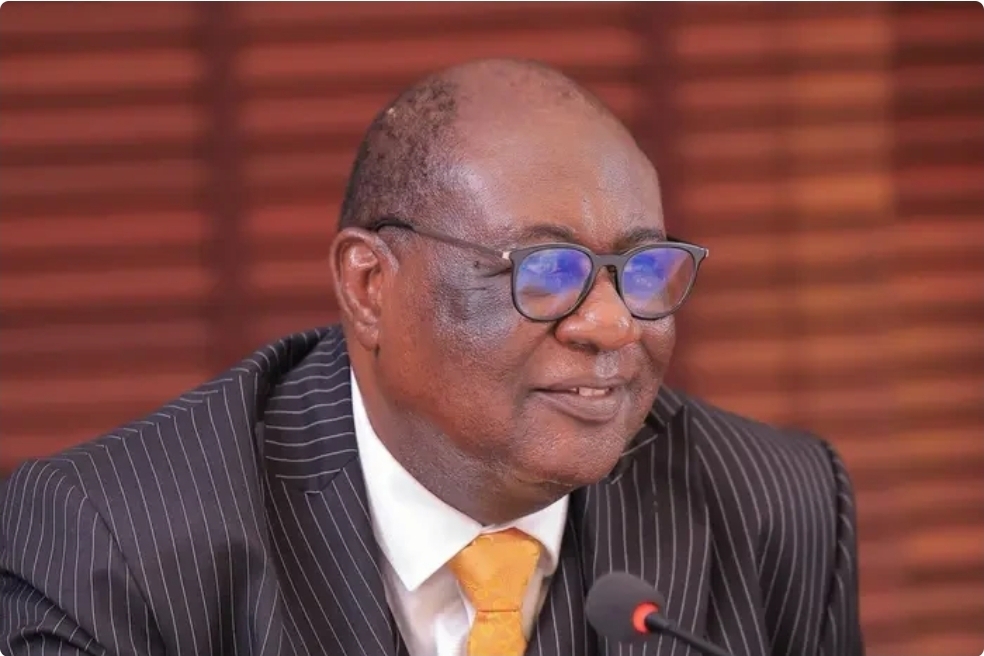 Government will not gazette Kijanangoma as King of Tooro for now - Attorney General insists
Ultimate Uganda
Government will not gazette Kijanangoma as King of Tooro for now - Attorney General insists
Ultimate Uganda
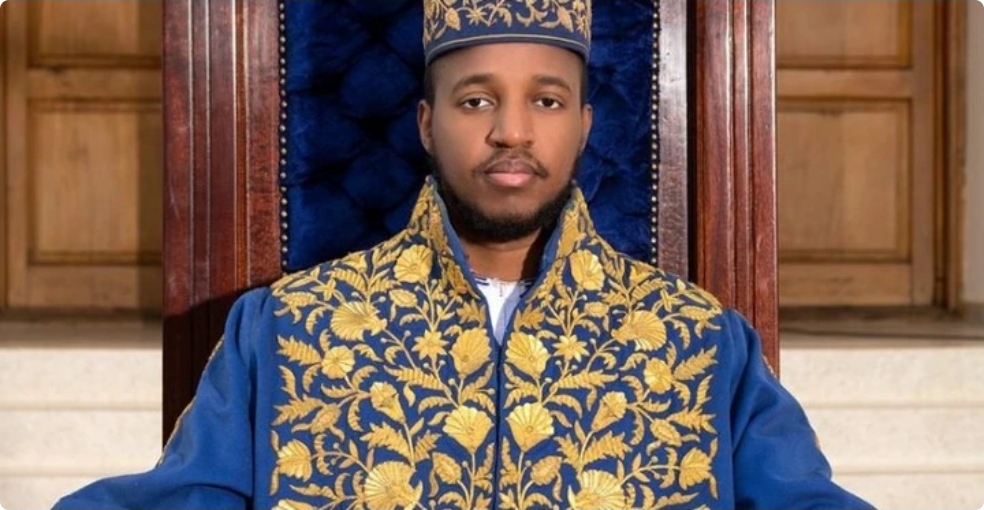 King Oyo’s Body to Arrive Thursday
Ultimate Uganda
King Oyo’s Body to Arrive Thursday
Ultimate Uganda
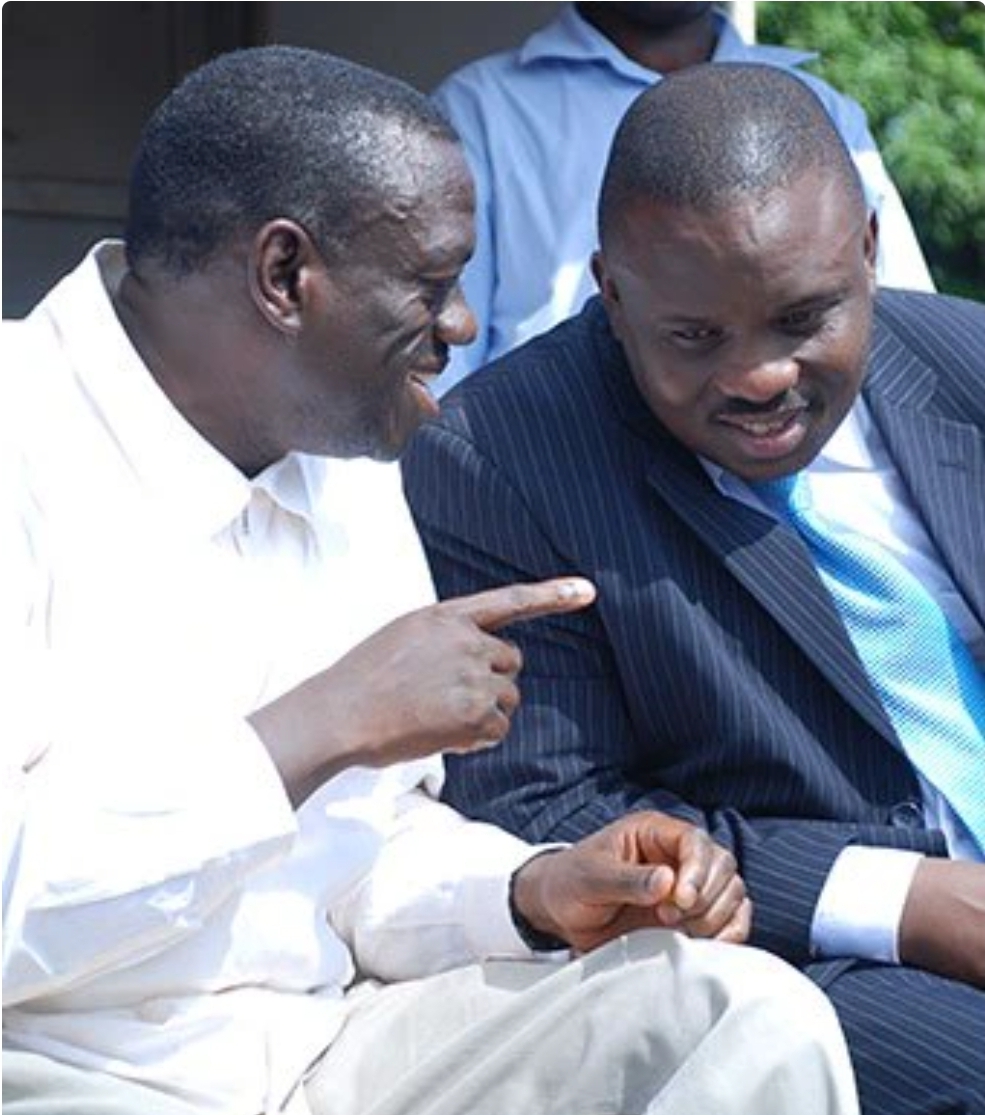 Besigye, Lukwago expected to meet Gen. Salim Saleh today at Kapeeke
Ultimate Uganda
Besigye, Lukwago expected to meet Gen. Salim Saleh today at Kapeeke
Ultimate Uganda
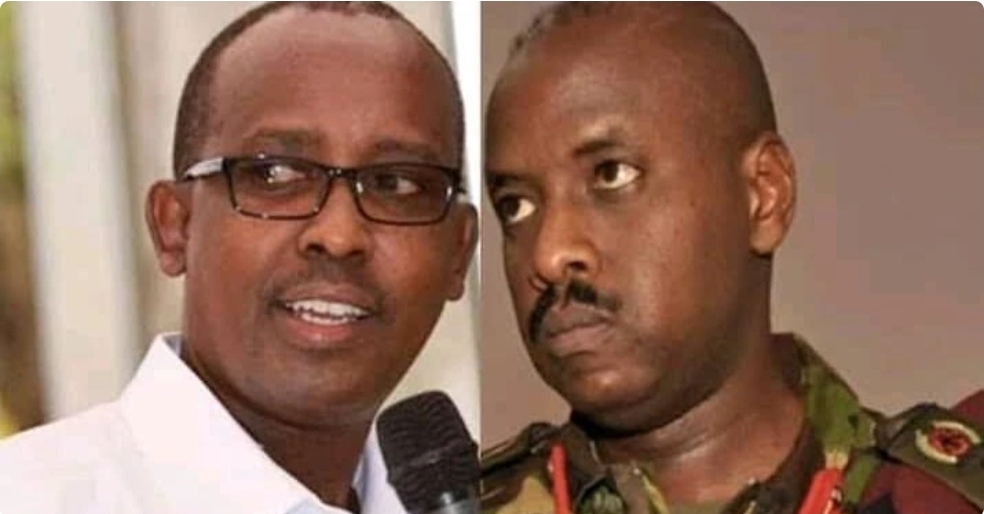 Rwabwogo Advised to ‘Eat His Bishop’ As MK Prepares to Enter State H’se: PREZ MUSEVENI ON HIS WAY OUT
Ultimate Uganda
Rwabwogo Advised to ‘Eat His Bishop’ As MK Prepares to Enter State H’se: PREZ MUSEVENI ON HIS WAY OUT
Ultimate Uganda
0 Comments