
Gold and coffee exports hit record highs amid global donor funding cuts
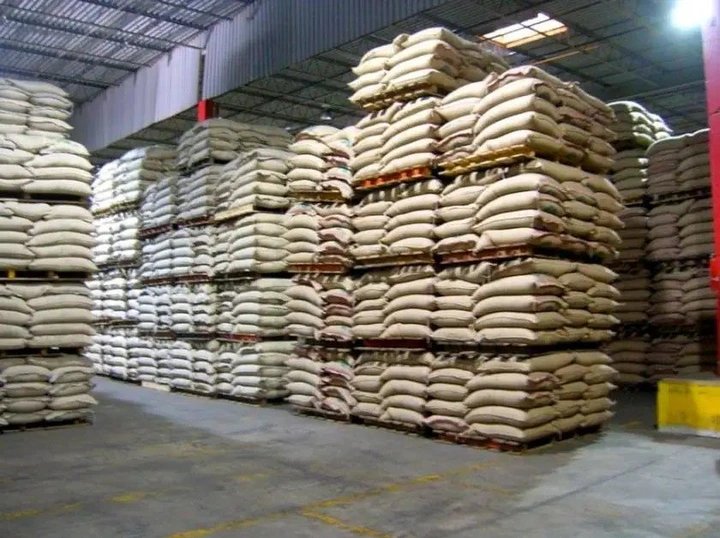

Uganda reports a record $6.5 billion in coffee and gold export earnings for 2025, providing a vital economic boost as the country faces significant cuts in global donor funding.
Uganda's coffee exports soared 38% in October 2025, reaching $185.56 million, driven by robust Robusta and Arabica shipments. Read the full report on top buyers and the $2.4 billion annual earnings
KAMPALA, Uganda — Uganda has recorded an unprecedented $6.5 billion in coffee and gold export earnings over the last year, providing a critical economic cushion as the country grapples with a sharp decline in global donor funding.
Data for the 12 months ending in October 2025 shows coffee exports reached a record 8.4 million bags valued at $2.4 billion. This represents a 77.3% increase in value over the previous year. Gold exports were even higher, generating $5.21 billion following the opening of a major mine in Busia and government efforts to formalize the sector.
The Civil Society Budget Advocacy Group, or CSBAG, praised the government for prioritizing high-return sectors but warned that the windfall arrives during a period of severe external shocks.
Julius Mukunda, executive director of CSBAG, noted that while exports have driven Uganda’s economic growth to 6.3%, the country is facing a massive reduction in foreign aid. Shifts in U.S. policy and diplomatic tensions with European partners have led to the loss of approximately 15,000 jobs in the nonprofit sector and a $160 million funding gap for HIV/AIDS programs.
Additionally, food rations for Uganda’s 1.6 million refugees have been cut by half due to donor retrenchment.
The record export figures also stand in contrast to the country’s mounting debt. Uganda’s public debt has reached $32.3 billion, with interest payments now consuming more than 31% of all domestic revenue collected by the government.
Mukunda cautioned that the benefits of the coffee and gold boom have yet to reach ordinary citizens. He urged policymakers to ensure that the wealth generated from these commodities is used to improve local wages and shore up public services as foreign assistance wanes.
Looking ahead, the group expressed hope that the start of oil production in 2026 would further stabilize the economy, provided the government maintains transparent management of the new revenues.?


 Starlink goes live in Uganda; price comparisons against MTN, Airtel
Ultimate Uganda
Starlink goes live in Uganda; price comparisons against MTN, Airtel
Ultimate Uganda
 NSSF sets September 24 for Annual Members Meeting as savers await interest rate declaration
Ultimate Uganda
NSSF sets September 24 for Annual Members Meeting as savers await interest rate declaration
Ultimate Uganda
 Boda boda riders launch e-commerce, digital loans platform
Ultimate Uganda
Boda boda riders launch e-commerce, digital loans platform
Ultimate Uganda
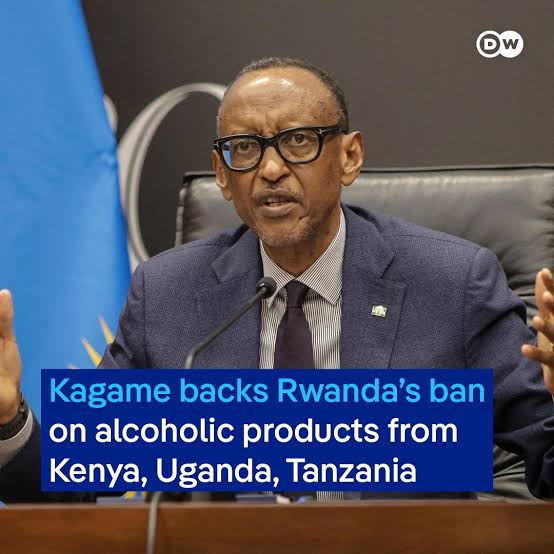 Rwanda: We Cannot Sit and Watch As Illicit Alcohol Kills People - Kagame
Ultimate Uganda
Rwanda: We Cannot Sit and Watch As Illicit Alcohol Kills People - Kagame
Ultimate Uganda
0 Comments