
Uganda’s Gender Equality Revolution: Minister Amongi Unveils Ambitious 8-Point Plan at UN as Poverty Rate Plummets to 16.1%
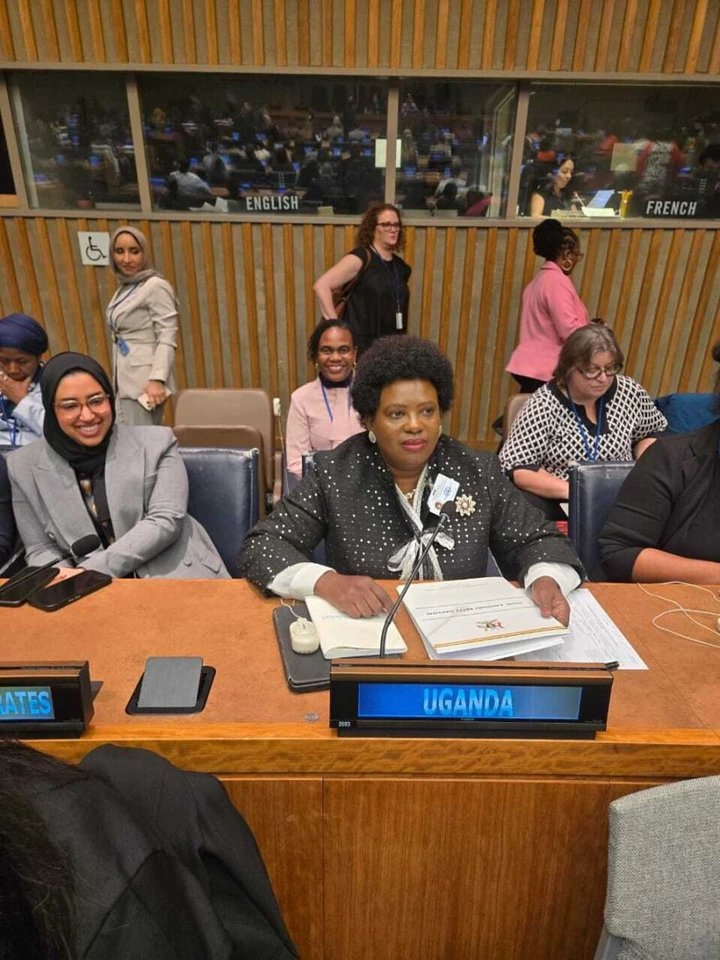

NEW YORK — Uganda’s Minister of Gender, Labour and Social Development, Hon. Betty Amongi, delivered a powerful address at the United Nations Headquarters today, showcasing the country’s remarkable progress in women’s empowerment and unveiling an ambitious eight-point strategy to accelerate gender equality over the next five years.
Speaking at the 70th Session of the Commission on the Status of Women (CSW), Minister Amongi revealed that Uganda’s poverty rate has dramatically declined from 56% in 1992 to just 16.1% in 2024, attributing this success to prudent macro-economic policies and targeted interventions that priori…
[10:43 PM, 3/11/2026] Ronald Alele Lens: Uganda’s Gender Minister Highlights Progress in Women’s Justice and Empowerment at UN Commission
UN Headquarters, New York – March 10, 2026 – Uganda’s Minister for Labour, Gender and Social Development, Hon. Betty Amongi Akena, has delivered a powerful address at the United Nations Commission on the Status of Women, showcasing the country’s significant strides in strengthening access to justice for women and girls while acknowledging the challenges that remain.
Speaking before an international audience, Minister Amongi outlined Uganda’s multi-faceted approach to addressing gender inequality, emphasizing the political will that has driven unprecedented female representation in leadership positions.
“Access to justice for women and girls in Uganda constitutes a complex mix of patriarchal cultural norms, economic marginalization, and gaps in legal implementation,†Minister Amongi acknowledged. “Despite these challenges, Uganda has made significant progress.â€
The Minister highlighted remarkable achievements in women’s political participation, crediting President Yoweri Kaguta Museveni’s commitment to gender equality. Women now hold 45 percent of cabinet positions, including the Vice Presidency, Prime Ministership, and Speakership of Parliament. Female representation stands at 34 percent in Parliament and 45 percent at local government levels.
“These women have played a pivotal role in pushing for women empowerment in Uganda,†Amongi stated, underscoring how affirmative action policies have brought women’s voices to the forefront of decision-making processes.
Uganda has established robust legal protections including the Domestic Violence Act, the FGM Act, the Succession Act, and the Trafficking in Persons Act. These legislative advancements, the Minister noted, have “laid a foundation for protecting women from violence and guaranteeing their rights.â€
The country has created specialized mechanisms to address gender-based violence, including Gender and Children Desks within the Uganda Police Force, which provide safe spaces for reporting. The Justice, Law, and Order Sector has developed gender-sensitive frameworks, established specialized GBV courts, and appointed a focal point Judge for GBV cases.
The creation of the Gender, Children and Sexual Offences Department at the Office of the Director of Public Prosecutions and the implementation of Family and Children Courts demonstrate Uganda’s commitment to survivor-centered justice, incorporating gender-sensitive and child-friendly procedures.
Beyond legal reforms, Uganda has engaged traditional leaders to change discriminatory customs and banned harmful practices. Constitutional reforms have reshaped cultural norms, creating an environment where women’s empowerment can flourish.
Looking Forward
While celebrating these achievements, Minister Amongi called for continued vigilance in addressing remaining barriers to justice, including economic marginalization and customary laws that restrict women’s inheritance rights.
“The foundation we have built through institutional advances and legal protections creates a framework for continued progress,†she concluded. “Together, we can create a future where access to justice is a right enjoyed by all women and girls in Uganda.â€
The Minister’s address at the 69th session of the Commission on the Status of Women focused on this year’s priority theme: “Ensuring and Strengthening Access to Justice for All Women and Girls, including by Promoting Inclusive and Equitable Legal Systems.â€


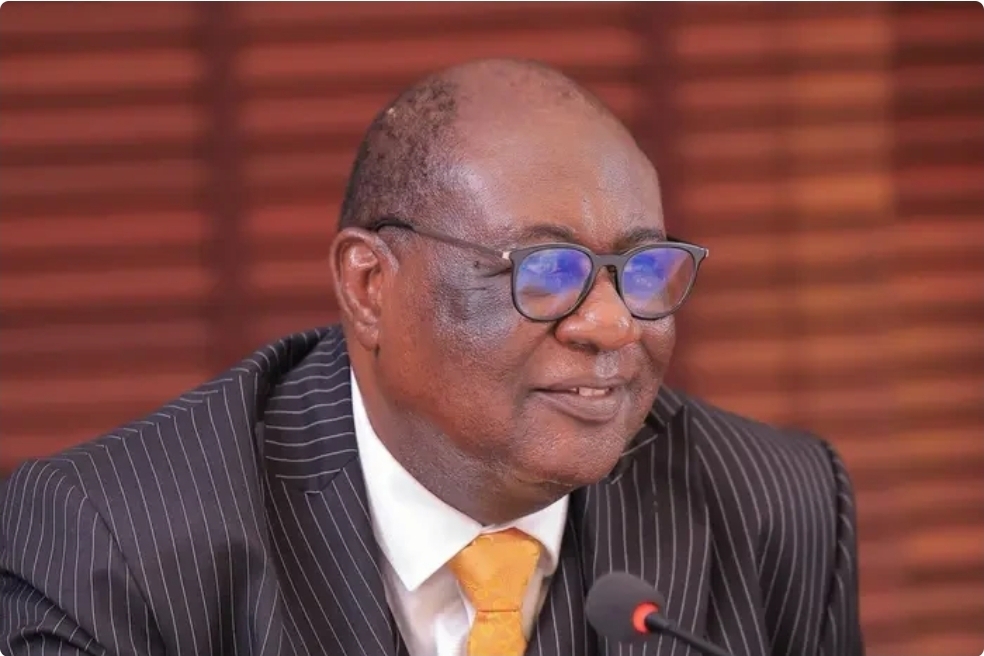 Government will not gazette Kijanangoma as King of Tooro for now - Attorney General insists
Ultimate Uganda
Government will not gazette Kijanangoma as King of Tooro for now - Attorney General insists
Ultimate Uganda
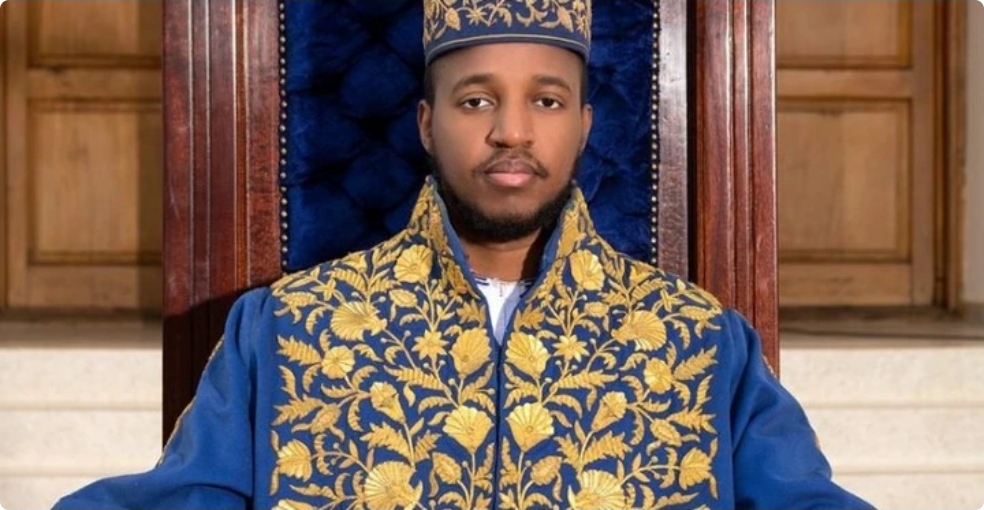 King Oyo’s Body to Arrive Thursday
Ultimate Uganda
King Oyo’s Body to Arrive Thursday
Ultimate Uganda
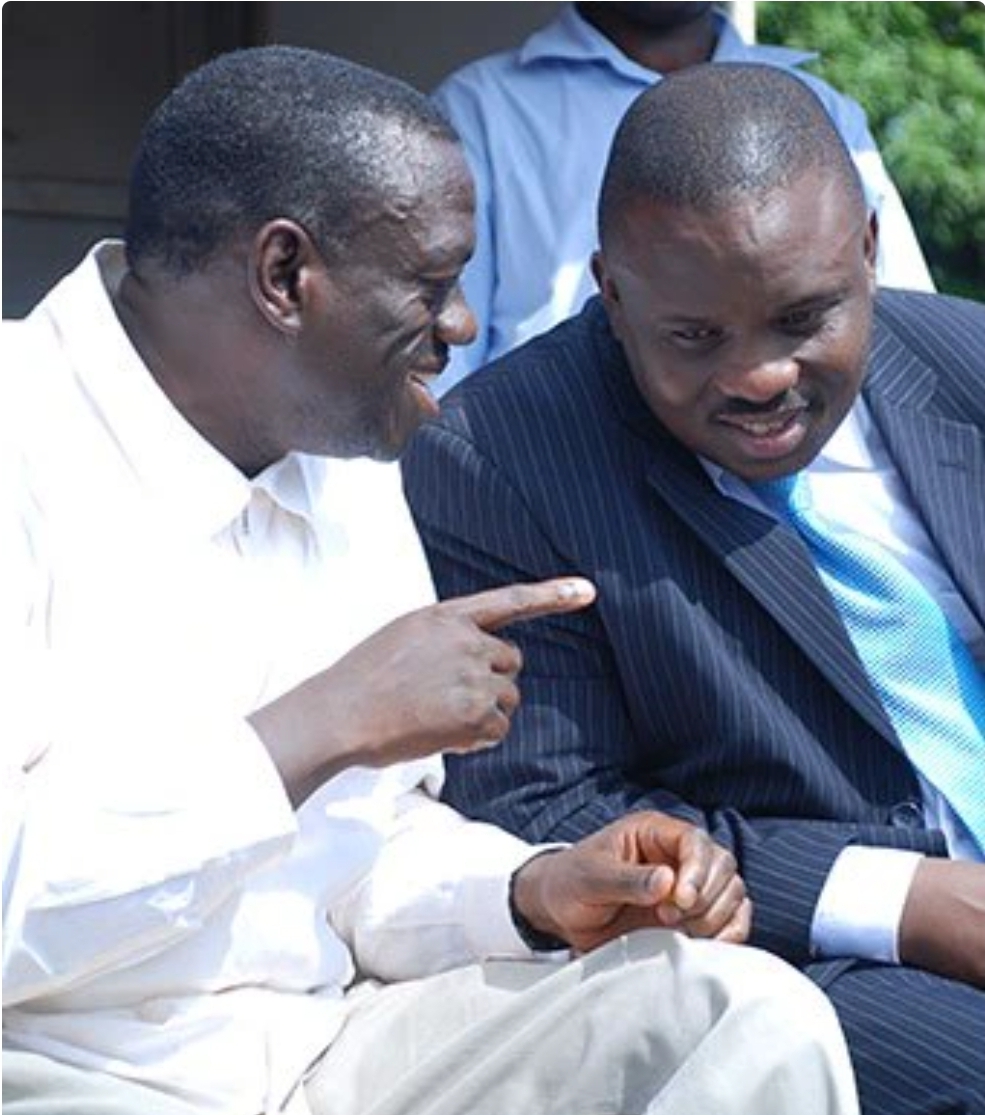 Besigye, Lukwago expected to meet Gen. Salim Saleh today at Kapeeke
Ultimate Uganda
Besigye, Lukwago expected to meet Gen. Salim Saleh today at Kapeeke
Ultimate Uganda
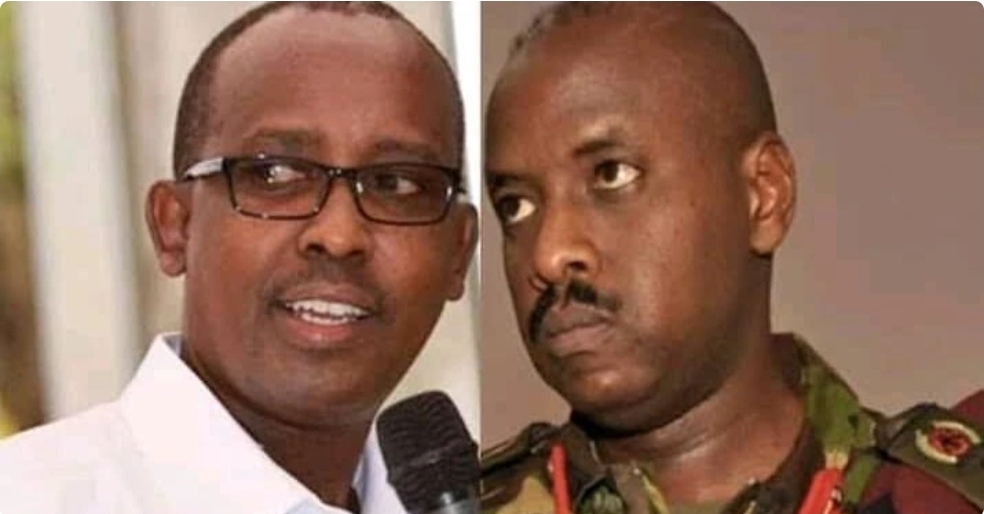 Rwabwogo Advised to ‘Eat His Bishop’ As MK Prepares to Enter State H’se: PREZ MUSEVENI ON HIS WAY OUT
Ultimate Uganda
Rwabwogo Advised to ‘Eat His Bishop’ As MK Prepares to Enter State H’se: PREZ MUSEVENI ON HIS WAY OUT
Ultimate Uganda
0 Comments