
Uganda: Mityana Set for Tight 2026 Election Battle As Voters Prioritize Service Over Party
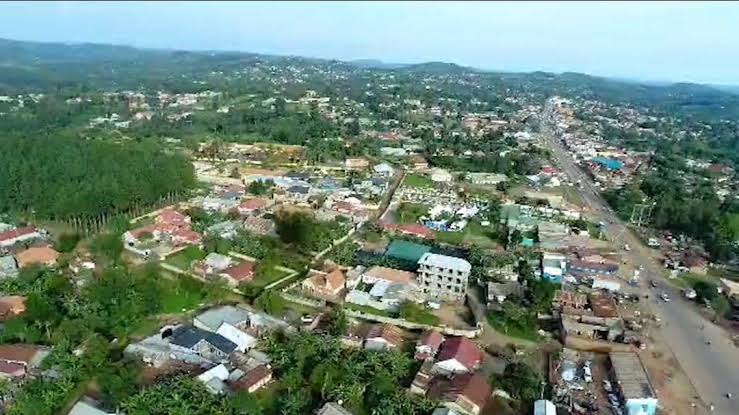

Mityana District has emerged as one of Uganda's most fiercely contested political battlegrounds, with both the ruling National Resistance Movement (NRM) and the National Unity Platform (NUP) vying for dominance ahead of the 2026 general elections.
Each side insists it will outperform the other, but political observers note that the district's voting patterns have grown increasingly unpredictable.
Although Mityana is only 20 years old--having been carved out of Mubende District in 2005--it has developed into a politically vibrant and highly competitive area.
Today, the district comprises five constituencies: Mityana North, Mityana South, Busujju County, the Woman MP seat, and Mityana Municipality, which attained municipal status in 2015.
Of the five parliamentary positions, only Mityana North has consistently remained under NRM control since the district's creation. Busujju, initially a stronghold for the ruling party, shifted to NUP in the 2016 general elections.
The Woman MP seat, previously held by NRM for four terms, was also captured by the opposition, while Mityana South has long been dominated by the Democratic Party (DP). As a result, the 2026 elections have become a crucial test for both major parties.
Local resident Anthony Kintu said elections in Mityana rarely hinge on party colours anymore, with voters increasingly prioritizing service delivery.
"People in Mityana do not cling to parties. We vote for leaders who serve us. If someone abandons the voters after winning, we move on quickly," Kintu said.
He added that while NRM once enjoyed overwhelming support, internal disorganization and poor service delivery have eroded voter confidence.
"NRM used to be very strong here, but internal fights and failures to address community needs have pushed voters away. They now have to work harder than ever to win back trust," he said.
Political analyst Richard Kyambadde noted that Mityana's dynamics are shaped more by constant disputes among leaders than by party ideology.
"In Mityana, leaders spend too much time attacking one another. The divisions create confusion, and in the end, the voter decides who seems the least chaotic," Kyambadde explained.
Leaders across the district agree that the electorate prioritizes service delivery over political affiliation. While NRM and NUP dominate, smaller parties like the Democratic Front and National Peasants Party remain active and could benefit from voter dissatisfaction with the larger parties.
"Mityana has over 400,000 residents, most of them farmers and small-scale traders. These people care about roads, health services, market access, and governance--not party slogans," Kyambadde added.
As both NRM and NUP intensify mobilization efforts, Mityana is poised for another heated election cycle. Each party hopes to reclaim or retain its strongholds, but analysts say the true power lies with voters, who have become increasingly independent and discerning.
With campaigns gaining momentum, Mityana continues to be one of Uganda's most closely watched political arenas, where party dominance is no longer guaranteed and voter loyalty cannot be assumed.


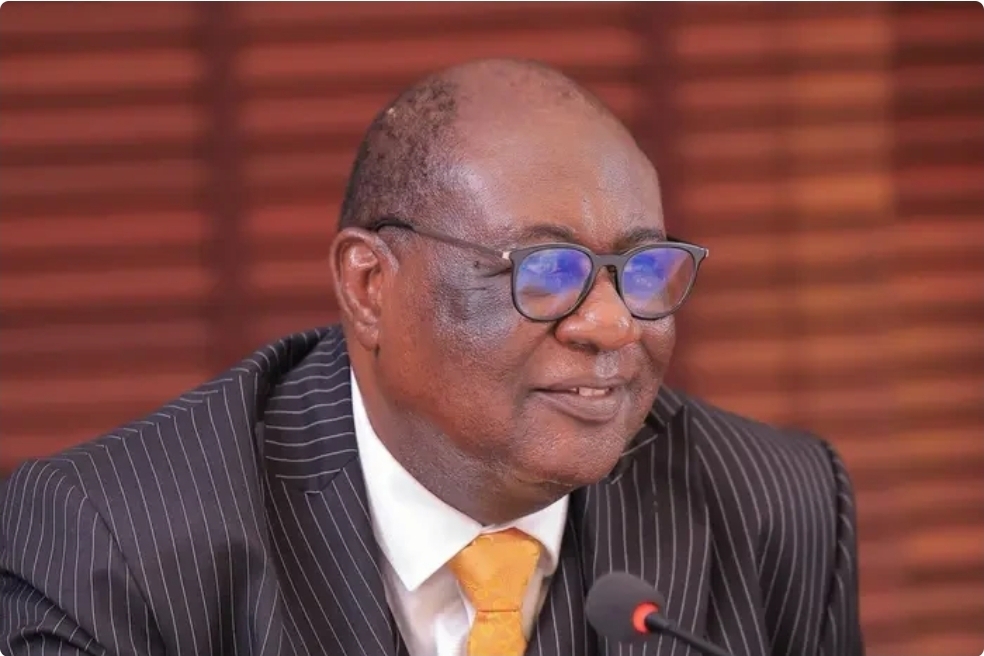 Government will not gazette Kijanangoma as King of Tooro for now - Attorney General insists
Ultimate Uganda
Government will not gazette Kijanangoma as King of Tooro for now - Attorney General insists
Ultimate Uganda
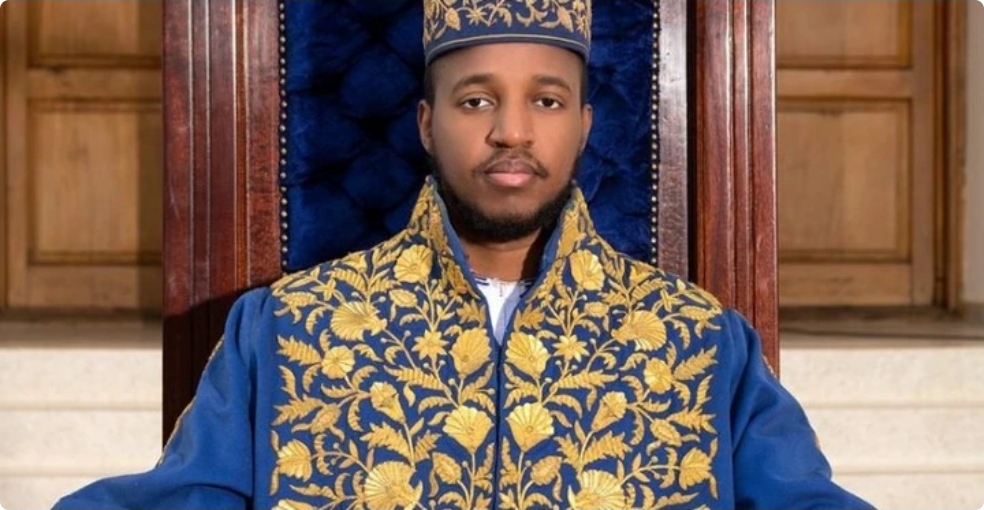 King Oyo’s Body to Arrive Thursday
Ultimate Uganda
King Oyo’s Body to Arrive Thursday
Ultimate Uganda
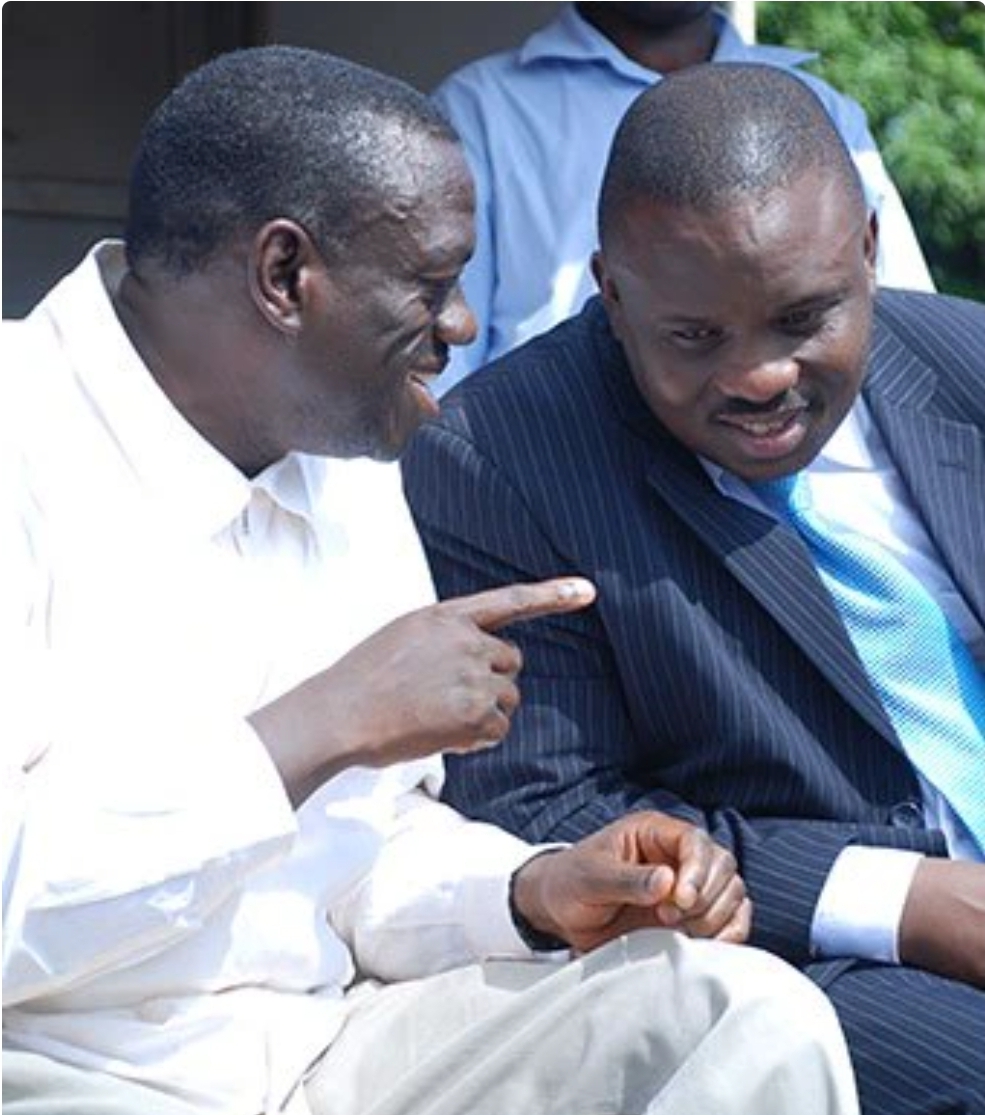 Besigye, Lukwago expected to meet Gen. Salim Saleh today at Kapeeke
Ultimate Uganda
Besigye, Lukwago expected to meet Gen. Salim Saleh today at Kapeeke
Ultimate Uganda
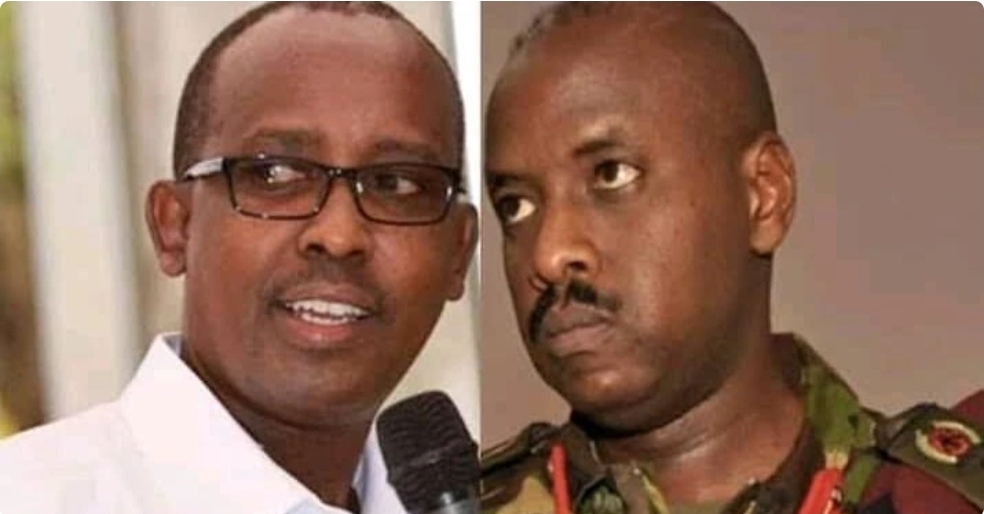 Rwabwogo Advised to ‘Eat His Bishop’ As MK Prepares to Enter State H’se: PREZ MUSEVENI ON HIS WAY OUT
Ultimate Uganda
Rwabwogo Advised to ‘Eat His Bishop’ As MK Prepares to Enter State H’se: PREZ MUSEVENI ON HIS WAY OUT
Ultimate Uganda
0 Comments