
NUP’s Rubongoya Accuses Museveni Regime of Bribery and Coercion in Tooro and Rwenzori ‘Defections’ Ahead of 2026 Elections
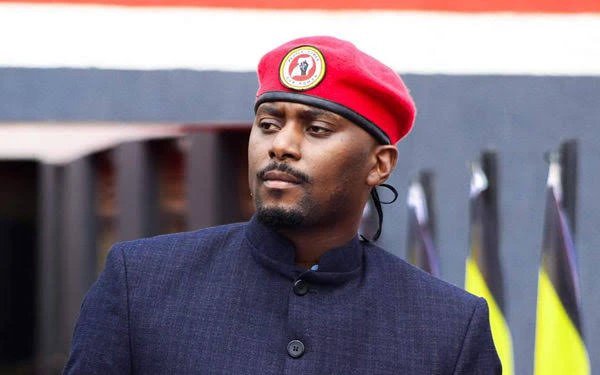

Kampala, Uganda – As Uganda gears up for the 2026 general elections, National Unity Platform (NUP) Secretary General David Lewis Rubongoya has come out swinging against what he describes as a calculated regime strategy to undermine opposition through bribery, arrests, and intimidation.
In a scathing response to reports of over 250 NUP supporters defecting to the ruling National Resistance Movement (NRM) in the Tooro and Rwenzori sub-regions, Rubongoya alleges these shifts are far from voluntary, but rather the result of heavy-handed tactics funded by taxpayer money.
Rubongoya, a key figure in NUP’s leadership under Bobi Wine, detailed how the regime offers bribes up to 500 million UGX to lure opposition members, coupled with threats of arrest or worse.
“These are not defections; they are coerced surrenders,†Rubongoya stated, pointing to recent events in districts like Kyenjojo, Bunyangabu, Ntoroko, and Bundibugyo. He highlighted cases where NUP coordinators have been imprisoned for up to four years on fabricated charges, stifling grassroots organizing and leaving the party vulnerable as it prepares for the polls.
The alleged defections, publicized during NRM events led by figures like Deputy Speaker Thomas Tayebwa, have been touted by the ruling party as evidence of growing support for President Museveni’s 39-year rule. Defectors, including former NUP aspirants like George William Musabe, have cited financial hardships and lack of party support as reasons for switching. NRM officials, including Lt. Moses Mushabe, have welcomed them, emphasizing programs like Emyooga and the Parish Development Model (PDM) as drivers of progress.
However, Rubongoya dismisses these claims as a smokescreen, arguing that the regime’s billions in “mobilization funds†are essentially buying loyalty while suppressing genuine opposition.This pattern extends beyond Tooro and Rwenzori.
Similar coerced crossovers have been reported in regions like Acholi and Rwampara, where NUP’s Woman MP flag bearer Sarah Kiconco defected amid whispers of pressure. Rubongoya also referenced raids on NUP’s School of Leadership and arbitrary detentions, which have hampered candidate vetting and mobilization.
“How can we build a robust party when our people are jailed without due process?†he questioned, urging Ugandans to recognize these as symptoms of a creeping one-party state.
Critics argue that NRM’s dominance—bolstered by economic incentives and forgiveness of political rivals—masks deeper issues of governance. In western Uganda, where NRM enjoys 61% regional interest against NUP’s 39%, such tactics could solidify power. Yet, opposition rallies, including Bobi Wine’s in Luwero and Ngora, persist despite violence and office raids.
Rubongoya calls for collective resistance: “Internal reforms alone won’t suffice; we must dismantle this system of coercion.â€
As elections approach, these revelations underscore the high stakes, with NUP positioning itself as the bulwark against authoritarian entrenchment. For many in Tooro and Rwenzori, the choice isn’t between parties but between coerced compliance an
d fighting for true democracy.

 Government will not gazette Kijanangoma as King of Tooro for now - Attorney General insists
Ultimate Uganda
Government will not gazette Kijanangoma as King of Tooro for now - Attorney General insists
Ultimate Uganda
 King Oyo’s Body to Arrive Thursday
Ultimate Uganda
King Oyo’s Body to Arrive Thursday
Ultimate Uganda
 Besigye, Lukwago expected to meet Gen. Salim Saleh today at Kapeeke
Ultimate Uganda
Besigye, Lukwago expected to meet Gen. Salim Saleh today at Kapeeke
Ultimate Uganda
 Rwabwogo Advised to ‘Eat His Bishop’ As MK Prepares to Enter State H’se: PREZ MUSEVENI ON HIS WAY OUT
Ultimate Uganda
Rwabwogo Advised to ‘Eat His Bishop’ As MK Prepares to Enter State H’se: PREZ MUSEVENI ON HIS WAY OUT
Ultimate Uganda
0 Comments