
EC dismisses Bobi Wine claims of irregularities in national voters register
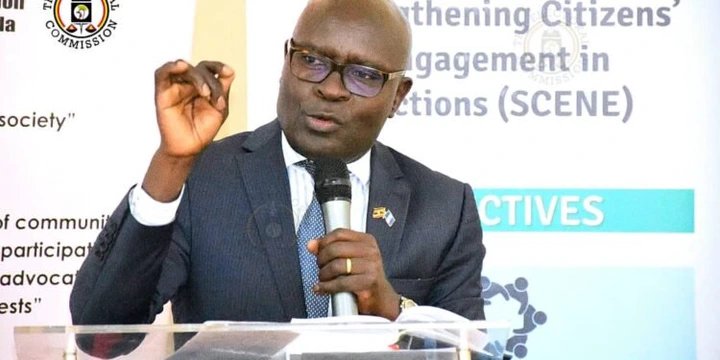

Justice Simon Byabakama, Chairperson, Electoral Commission
The Electoral Commission (EC) has dismissed allegations circulating on social media suggesting irregularities in the National Voters Register (NVR), describing the claims as false and misleading.
In a statement issued by the EC Chairperson, Justice Byabakama Mugenyi Simon, the Commission said it had taken note of a post shared on the social media platform X by National Unity Platform (NUP) flag bearer in the 2026 presidential elections, Mr Robert Kyagulanyi Ssentamu. In the post, Mr Kyagulanyi alleged that the Commission had deliberately registered the same individual at different polling stations to enable multiple voting.
The allegations were based on two Voter Location Slips bearing the name Matovu Ronald, with similar dates of birth but assigned to different polling stations. Mr Kyagulanyi claimed the slips were evidence of deliberate manipulation of the voters register.
However, Justice Byabakama said the Commission reviewed the cited Voter Location Slips and established that they belong to two different individuals registered in separate electoral areas. He explained that while the voters share similar names and dates of birth, they are clearly distinguishable by their unique photographs, confirming that they are not the same person.
“The suggestion that the Electoral Commission deliberately registered one individual multiple times is false and misleading,†the statement reads.
The Commission further noted that, in line with data protection and privacy laws, it would not publish photographs or personal details of the affected voters. It cautioned political actors and the public against sharing individuals’ voter information on social media without consent, warning that such actions violate privacy laws.
Justice Byabakama also reassured the public about the integrity of the voter verification process, stating that the Biometric Voter Verification System (BVVS) has been strengthened to authenticate voters using fingerprints or facial recognition before a ballot is issued. He emphasized that without successful biometric verification, no voter will be allowed to cast a ballot, reinforcing the principle of one person, one vote.
In the same statement, the Commission rejected claims by Mr Kyagulanyi that presidential candidates had been denied access to the final National Voters Register. According to the EC, this assertion is entirely incorrect.
Justice Byabakama explained that under Section 19 of the Electoral Commission Act (Cap. 176), the Commission provided all presidential candidates with a soft copy of the National Voters Register immediately after nominations, which were conducted on September 23 and 24, 2025. He added that the law further requires the Commission to issue hard copies of the register for polling day use two weeks before voting, a process that is currently underway and will be completed within the legally prescribed timeframe.
The Commission urged Mr Kyagulanyi and other stakeholders to make use of established channels to seek clarification, verify information, and raise any concerns regarding the electoral process.
“The Electoral Commission remains committed to conducting the 2026 General Elections in a transparent, professional, and credible manner,†Justice Byabakama said, reaffirming the Commission’s dedication to safeguarding the integrity of the electoral process.
Mr Kyagulanyi, popularly known as Bobi Wine, has accused the government of manipulating the voters register by allegedly creating duplicate entries for ruling party supporters, which he claims could be used to facilitate electoral fraud in the January 2026 elections. He has insisted that access to the final voters register is necessary for independent verification and analysis.


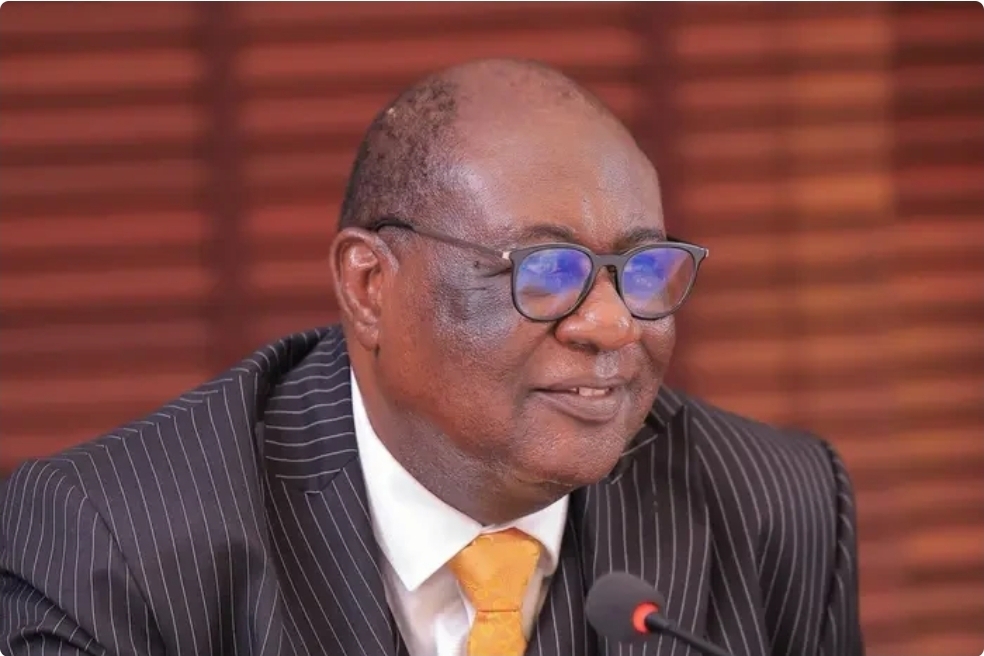 Government will not gazette Kijanangoma as King of Tooro for now - Attorney General insists
Ultimate Uganda
Government will not gazette Kijanangoma as King of Tooro for now - Attorney General insists
Ultimate Uganda
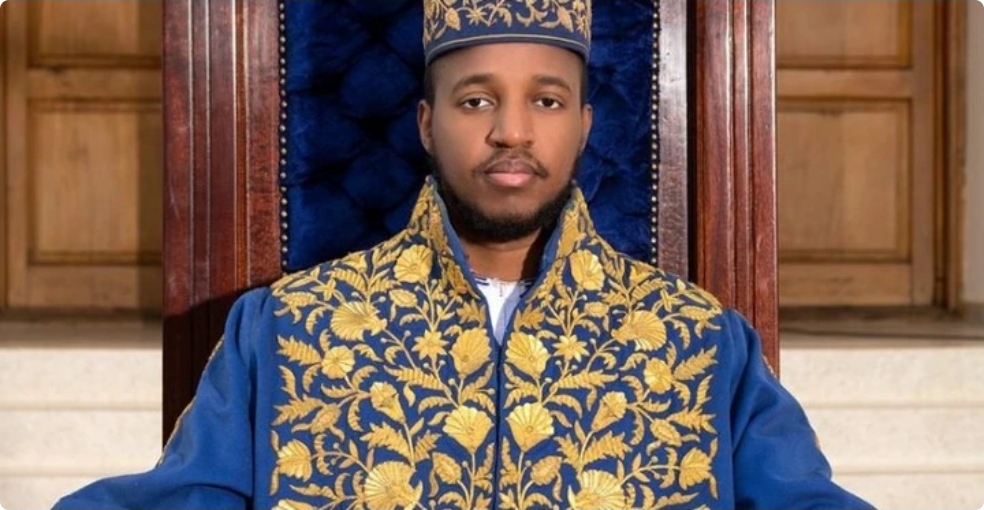 King Oyo’s Body to Arrive Thursday
Ultimate Uganda
King Oyo’s Body to Arrive Thursday
Ultimate Uganda
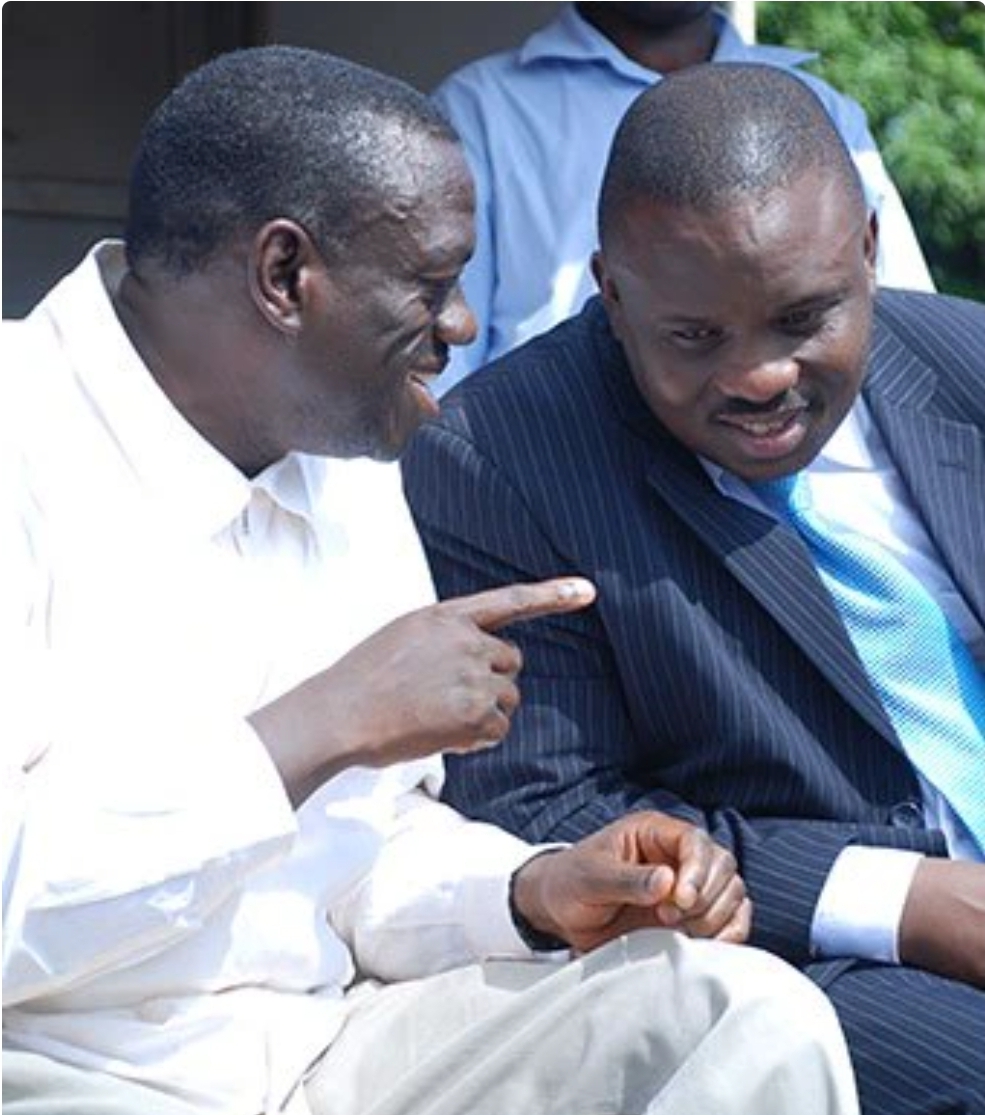 Besigye, Lukwago expected to meet Gen. Salim Saleh today at Kapeeke
Ultimate Uganda
Besigye, Lukwago expected to meet Gen. Salim Saleh today at Kapeeke
Ultimate Uganda
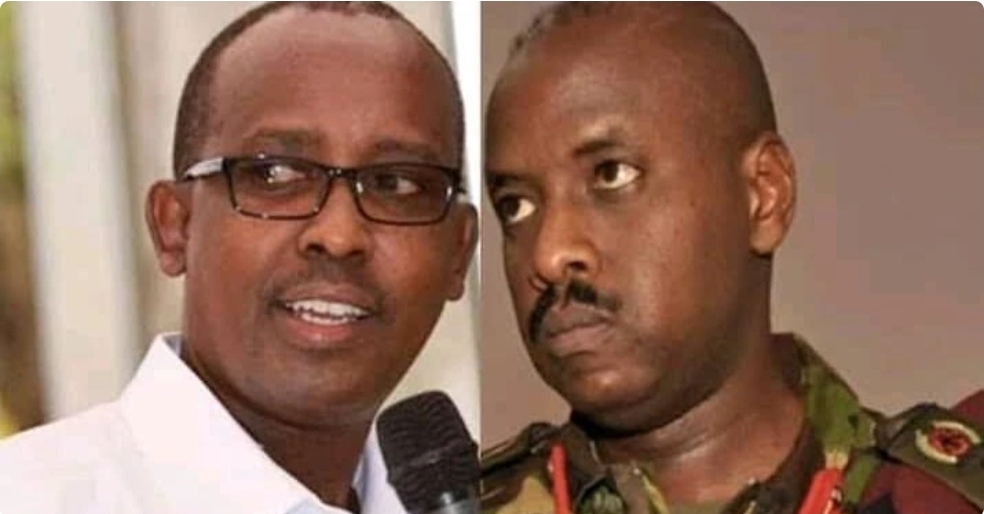 Rwabwogo Advised to ‘Eat His Bishop’ As MK Prepares to Enter State H’se: PREZ MUSEVENI ON HIS WAY OUT
Ultimate Uganda
Rwabwogo Advised to ‘Eat His Bishop’ As MK Prepares to Enter State H’se: PREZ MUSEVENI ON HIS WAY OUT
Ultimate Uganda
0 Comments