
Why Hellen Seku’s flag warning lacks legal merit
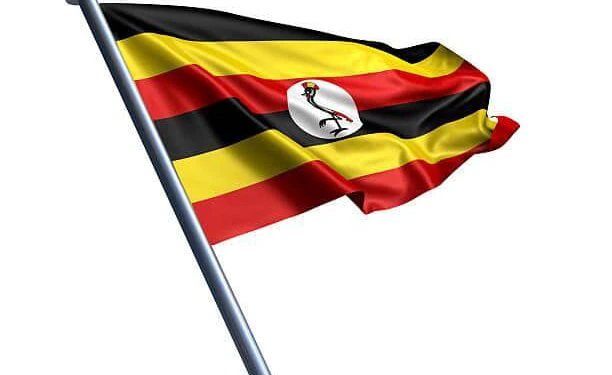

Hellen Seku, the commissioner for patriotism, issued a warning to National Unity Platform supporters regarding their use of the national flag. Her stance lacks legal merit and risks politicizing a national symbol.
If, in any case, the spirit of the Constitution is to position the national flag as a demonstrative symbol of not just nationalism but patriotism, which the president consistently talks about, then her statements suggest she is acting less as a neutral public officer and more as a political mobilizer for the National Resistance Movement.
The warning follows a series of public events where supporters of Robert Kyagulanyi Ssentamu, popularly known as Bobi Wine, prominently displayed the national colors. While Seku argues this constitutes a misuse of state symbols, the National Flag and Armorial Ensigns Act, Cap. 254, is explicit in its scope. It criminalizes the intentional disrespect, ridicule, desecration or unauthorized commercial use of the national flag. The law does not criminalize citizens for waving or displaying the flag at a political rally based on their party affiliation.
Under this act, no offense is committed as long as the flag is not torn, burned, mocked or used for commercial gain. No section of the law grants a commissioner or minister the authority to decide which political factions may display the national flag and which may not. By attempting to restrict the flag to certain groups, the office of the commissioner risks overstepping its constitutional mandate.
Furthermore, Article 8A of the Constitution recognizes national symbols as belonging to the people of Uganda.1 They are civic symbols, not government property or partisan tools. To suggest otherwise implies that one must belong to the ruling party to be considered a legitimate custodian of the national identity.
When public warnings are directed at a specific political group while similar conduct by others is ignored, it constitutes selective enforcement. This approach transforms the flag into a political weapon rather than a unifying emblem. It creates a dangerous precedent where the state dictates the terms of personal expression and national pride.
Patriotism is not a state-licensed activity. A Ugandan holding the national flag is asserting their citizenship, not committing a crime. If the goal is to protect the dignity of the flag, the law must be applied equally, accompanied by public education on its proper use. If that is not the goal, officials should stop using the law as a shield to intimidate political expression.
The national flag belongs to all Ugandans, including those in the opposition.


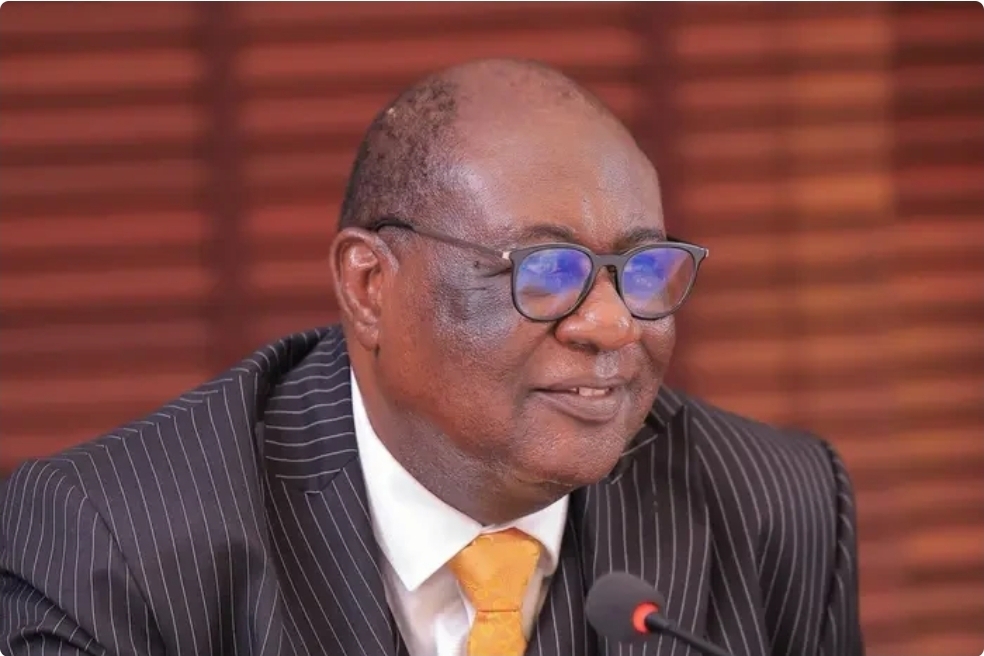 Government will not gazette Kijanangoma as King of Tooro for now - Attorney General insists
Ultimate Uganda
Government will not gazette Kijanangoma as King of Tooro for now - Attorney General insists
Ultimate Uganda
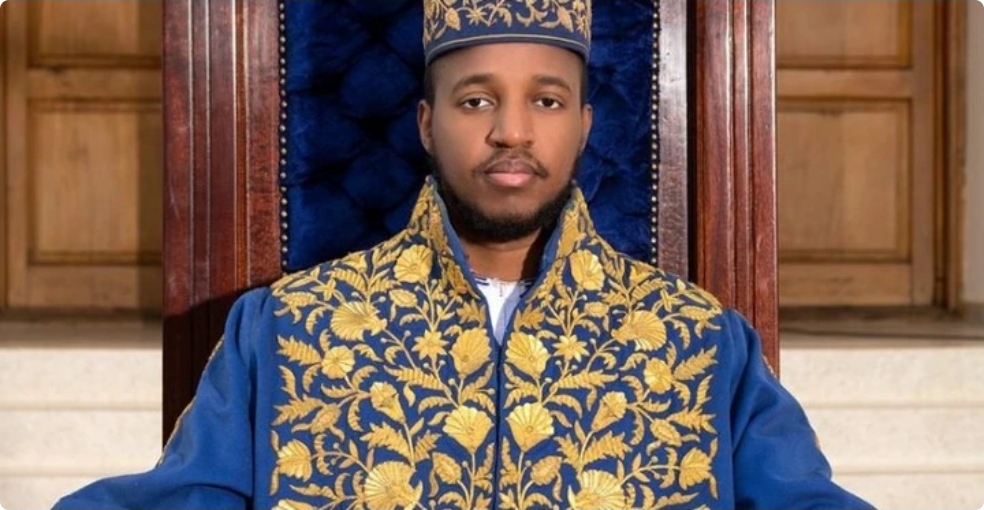 King Oyo’s Body to Arrive Thursday
Ultimate Uganda
King Oyo’s Body to Arrive Thursday
Ultimate Uganda
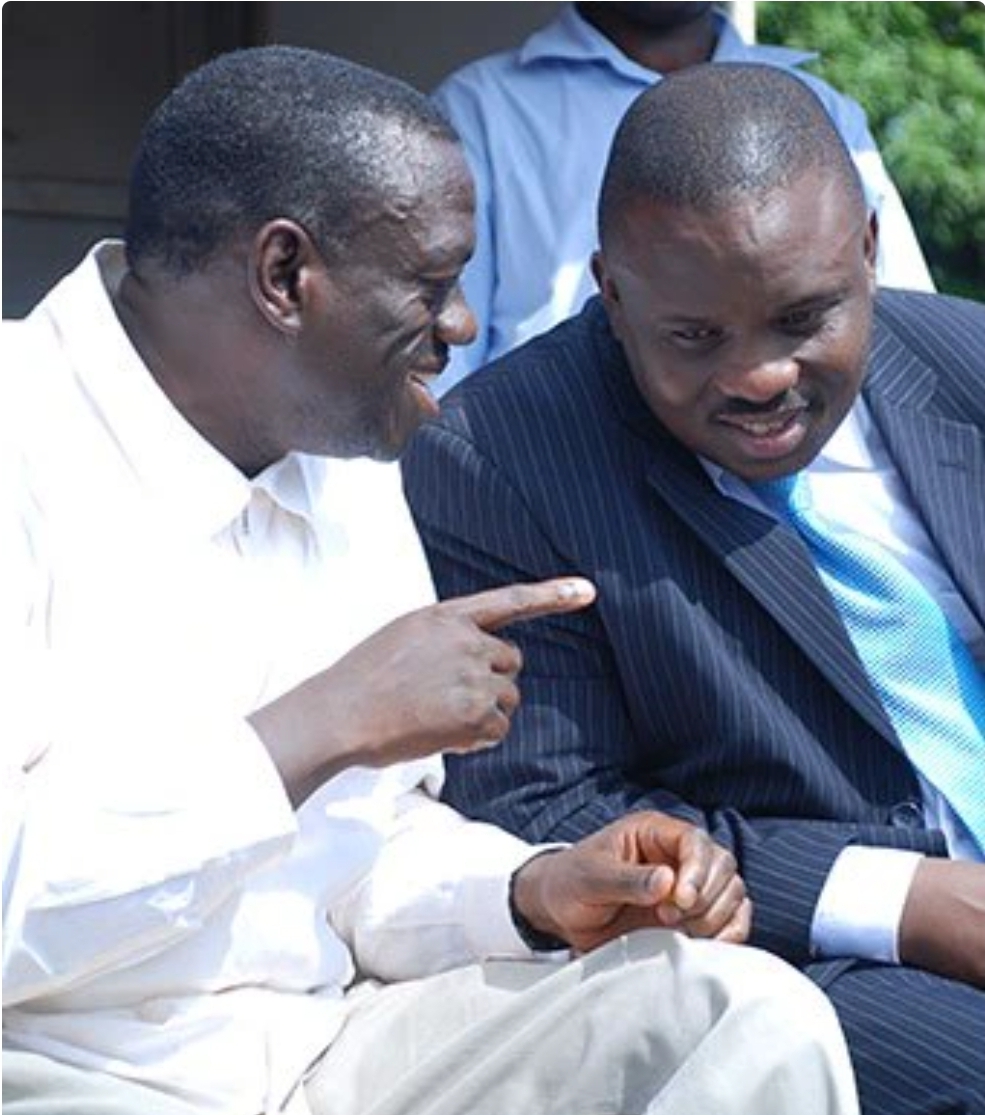 Besigye, Lukwago expected to meet Gen. Salim Saleh today at Kapeeke
Ultimate Uganda
Besigye, Lukwago expected to meet Gen. Salim Saleh today at Kapeeke
Ultimate Uganda
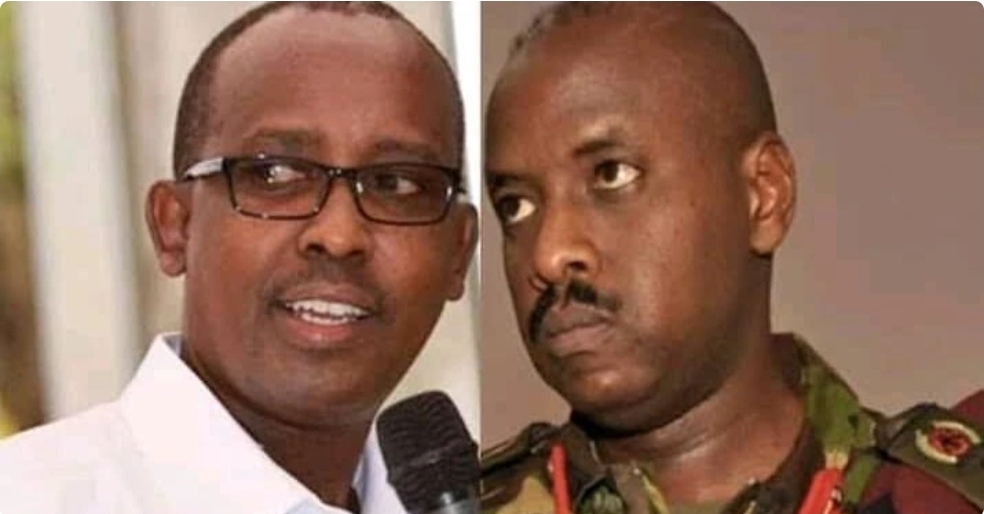 Rwabwogo Advised to ‘Eat His Bishop’ As MK Prepares to Enter State H’se: PREZ MUSEVENI ON HIS WAY OUT
Ultimate Uganda
Rwabwogo Advised to ‘Eat His Bishop’ As MK Prepares to Enter State H’se: PREZ MUSEVENI ON HIS WAY OUT
Ultimate Uganda
0 Comments