
Uganda Clears Twice-Yearly HIV Prevention Shot, Lenacapavir
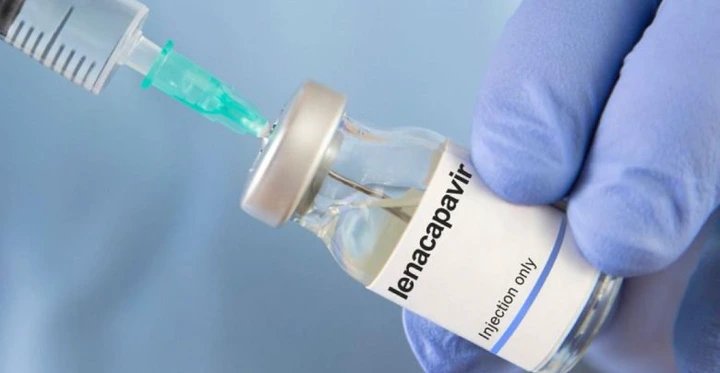

Kampala — Uganda has approved Lenacapavir, a twice-yearly injectable HIV prevention medicine developed by Gilead Sciences, in a move health officials say could accelerate the country’s drive to sharply cut new infections and meet global targets to end AIDS as a public health threat by the end of the decade.
The approval by the Uganda National Drug Authority allows the long-acting drug to be used as pre-exposure prophylaxis, or PrEP, offering an alternative to daily pills that have struggled with adherence among people at highest risk.
Uganda is home to about 1.4 million people living with HIV, with an adult prevalence rate of roughly 5%, according to UNAIDS.
While new infections have fallen significantly over the past decade, about 52,000 people still acquire the virus each year, with adolescent girls and young women accounting for a disproportionate share.
Lenacapavir’s appeal lies in its dosing schedule: one injection every six months.
Clinical trials have shown the drug reduced the risk of HIV infection by more than 99% among high-risk populations, making it one of the most effective prevention tools to date.
“This is a game-changer for HIV prevention, especially for those at high risk,†the regulator said in a post announcing the decision, describing the approval as a key step toward the goal of ending AIDS by 2030.
The decision comes as Uganda deepens cooperation with international partners to expand access to newer prevention technologies.
The United States, through the President’s Emergency Plan for AIDS Relief, and the Global Fund have committed to supporting the rollout of lenacapavir in high-burden countries, with Gilead agreeing to supply the drug at cost and license its intellectual property to enable large-scale generic production.
Uganda’s Health Ministry is expected to integrate the injectable PrEP into existing HIV programmes, prioritising key populations such as sex workers, sero-discordant couples and young women.
More than 1.3 million Ugandans are currently receiving antiretroviral treatment, but officials say prevention innovations are essential to sustaining progress and reducing long-term treatment costs.
Public-health experts say Uganda’s regulatory clearance could influence other African countries weighing similar approvals, underscoring a regional shift toward long-acting HIV prevention tools that reduce the burden on patients and health systems alike.


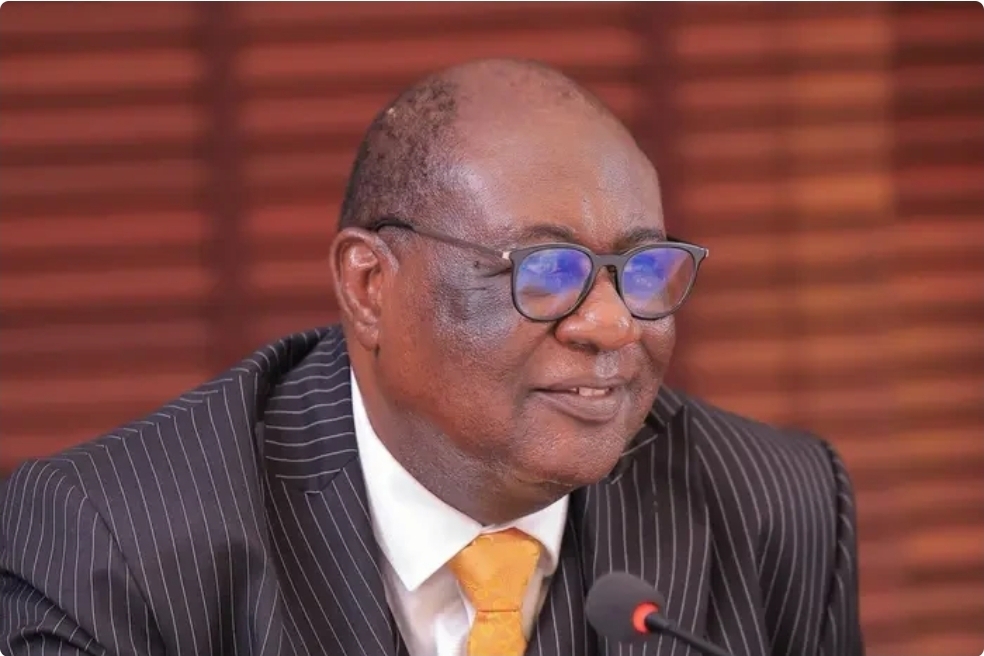 Government will not gazette Kijanangoma as King of Tooro for now - Attorney General insists
Ultimate Uganda
Government will not gazette Kijanangoma as King of Tooro for now - Attorney General insists
Ultimate Uganda
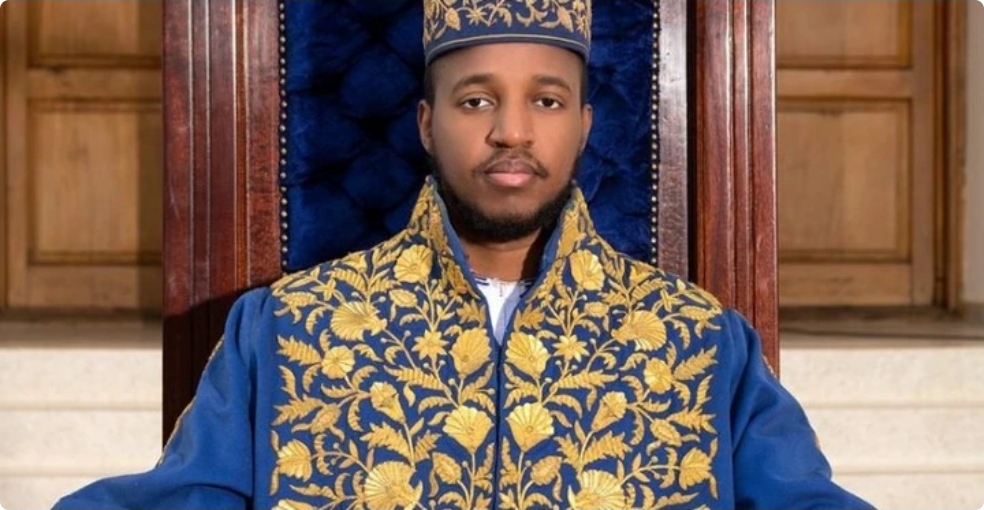 King Oyo’s Body to Arrive Thursday
Ultimate Uganda
King Oyo’s Body to Arrive Thursday
Ultimate Uganda
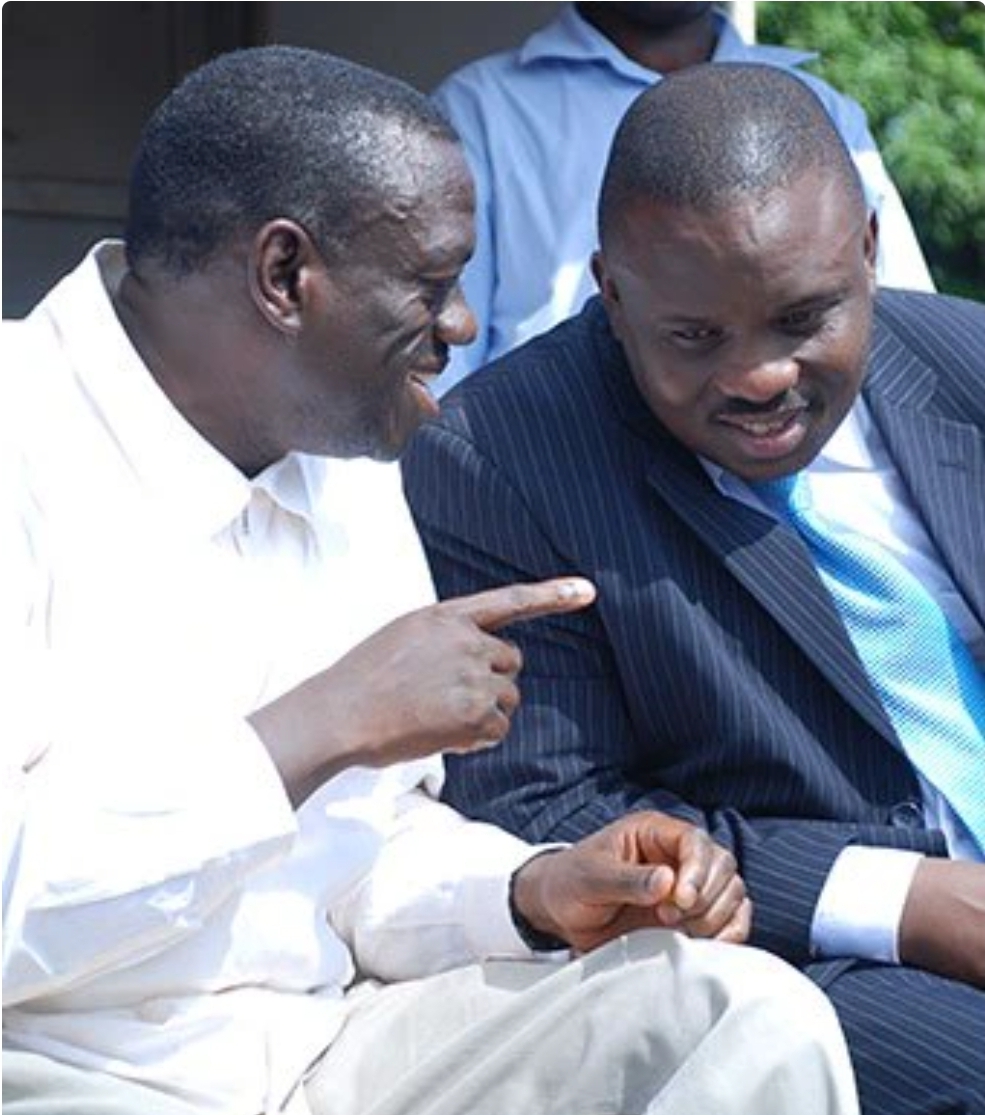 Besigye, Lukwago expected to meet Gen. Salim Saleh today at Kapeeke
Ultimate Uganda
Besigye, Lukwago expected to meet Gen. Salim Saleh today at Kapeeke
Ultimate Uganda
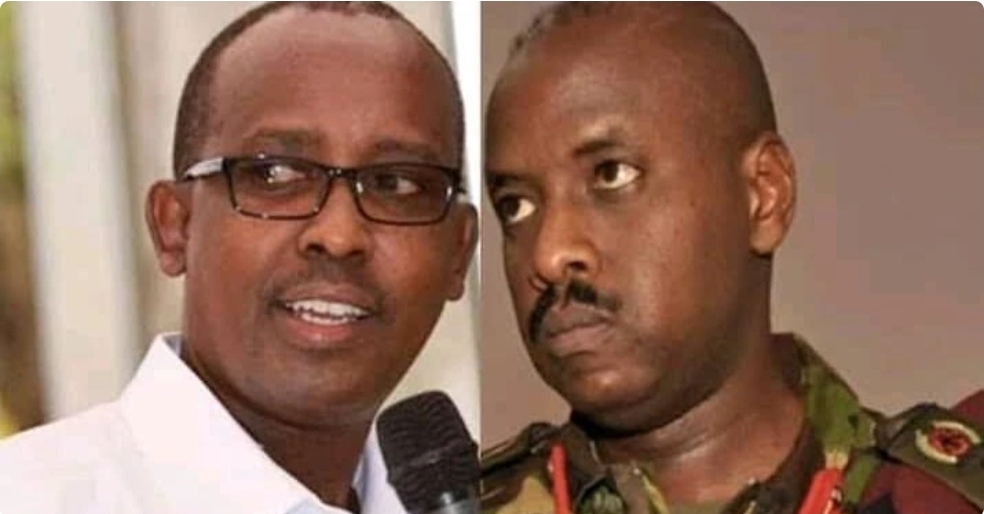 Rwabwogo Advised to ‘Eat His Bishop’ As MK Prepares to Enter State H’se: PREZ MUSEVENI ON HIS WAY OUT
Ultimate Uganda
Rwabwogo Advised to ‘Eat His Bishop’ As MK Prepares to Enter State H’se: PREZ MUSEVENI ON HIS WAY OUT
Ultimate Uganda
0 Comments