
FEAR, FRACTURES & A FINAL PUSH! Secrets why M7 went back to Kasese
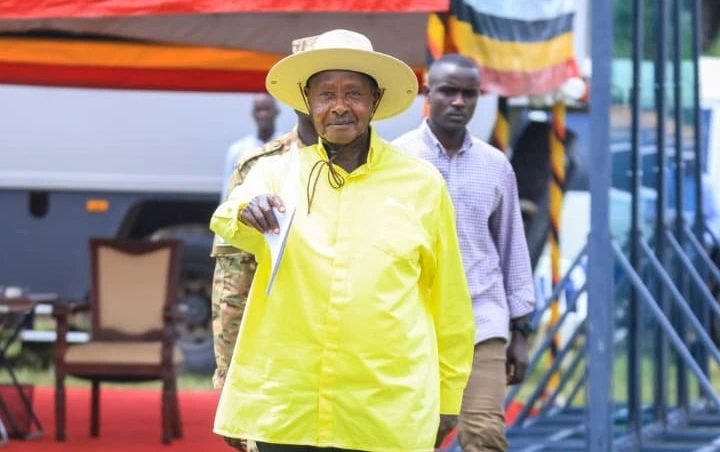

Before wrapping up his re-election campaigns at Kololo tomorrow, Jan 13, President Yoweri Museveni made a calculated move: he returned to regions he had already visited. From Arua in West Nile, to Iganga in Busoga, and finally Kasese in the Rwenzori sub-region, the message was clear—these were not courtesy visits, but political recalls.
Kasese, in particular, stood out.
On Monday, Jan 12, Museveni campaigned in Bukonzo East, Kasese District, where he renewed his familiar message of peace, wealth creation and development, urging residents to embrace commercial agriculture, tourism and manufacturing as the backbone of future prosperity.
Addressing cheering supporters, Museveni argued that peace and stability, achieved under NRM rule, had laid the foundation for development not only in Kasese but across Uganda. He reminded residents—who live close to the volatile eastern Democratic Republic of Congo—of the cost of insecurity, insisting that although the Allied Democratic Forces (ADF) remain active across the border, they no longer pose a threat to Uganda.
He attributed Uganda’s improved security to what he called clear politics and the rejection of divisive, identity-based movements that once plunged the country into chaos.
Museveni pointed to roads, schools, health centres, electricity and communication infrastructure, highlighting electricity access in Kasese as a major milestone in a region that once had none. He urged households to fight poverty through production, stressing irrigation as critical for boosting agriculture in the district.
On jobs, Museveni reiterated that government should not be the largest employer, arguing that sustainable employment must come from wealth-creating sectors. He cited examples of farmers employing hundreds and positioned manufacturing and tourism as Kasese’s untapped goldmine, welcoming calls for an industrial park in the district.
“The future of Kasese lies in commercial agriculture, tourism and manufacturing,†Museveni said, urging voters to back NRM to consolidate gains already made.
He also promised increased funding under the Parish Development Model (PDM), saying allocations would rise from Shs100 million to between Shs200–300 million, and encouraged opposition defectors to join parish SACCOS for wealth creation.
So Why Did Museveni Return to Kasese?
Behind the speeches lies hard political reality, RedPepper intelligence Unit can reveal.
Kasese is one of Uganda’s most politically complex and emotionally charged districts. For nearly two decades, it was a rock-solid stronghold of the Forum for Democratic Change (FDC) under Dr Kizza Besigye. In 2016, the FDC swept all five constituency seats and the district woman MP seat—humiliating the NRM in Museveni’s wider western backyard.
But the ground has been shifting.
In 2021, the NRM clawed back three parliamentary seats and gained control of the majority of lower local governments, signalling a possible realignment. That momentum coincided with deepening fractures within the opposition.
The FDC has been battered by defections and splinter groups—first with Mugisha Muntu’s exit to form the Alliance for National Transformation (ANT), taking heavyweight Winnie Kiiza with him, and later Dr Kizza Besigye’s formation of the People Front for Freedom (PFF). Long-time loyalists also defected, weakening grassroots cohesion.
Infighting during party primaries ahead of the 2026 elections further alienated supporters, many of whom now threaten to boycott official flag bearers. Analysts say voter fatigue with endless opposition wrangles is pushing some toward the NRM—or to the rising National Unity Platform (NUP).
Sensing opportunity, the NRM has moved aggressively: engaging cultural institutions like Obusinga Bwa Rwenzururu, making strategic appointments, and deploying high-energy mobilisers such as ICT Minister Godfrey Kabyanga to the villages.
NRM insiders argue that infrastructure upgrades, improved security and government programmes like PDM are slowly changing perceptions. Some residents credit road works and health facility upgrades with boosting business and livelihoods.
But Kasese Is Not Settled
Despite NRM optimism, Kasese remains haunted by memory.
The 2016 palace attacks, in which about 100 people died, still cast a long shadow. The arrest, detention and public humiliation of Omusinga Charles Wesley Mumbere remain unresolved wounds for many residents. For these voters, development promises compete with unanswered questions of justice, dignity and reconciliation.
Opposition figures insist that voters will not trade accountability for what they call cosmetic gains. They point to the collapse of Kilembe Mines, the stalled Katwe salt project, and the lack of compensation for 2016 victims as failures the NRM cannot erase.
Complicating the equation is Bobi Wine’s recent visit, which drew visible crowds and reignited opposition enthusiasm—especially among the youth who increasingly see Kasese as fertile ground for NUP rather than old opposition parties.
Even within the NRM, cracks exist. Internal rivalries threaten to split votes, particularly for the district woman MP seat and Kasese Municipality, where independents are refusing to step aside.
The Bottom Line
Museveni’s return to Kasese was not accidental. It was a recognition that the district remains volatile, symbolic and unpredictable. NRM strategists privately admit to RedPepper intelligence Unit that Kasese was “too risky to ignore†in the final stretch.
His mission: Soften historical anger. Reframe security as protection, not repression. Sell development as reconciliation. Exploit opposition fragmentation.
Whether that strategy delivers seats—or reignites resistance—will be decided at the ballot.


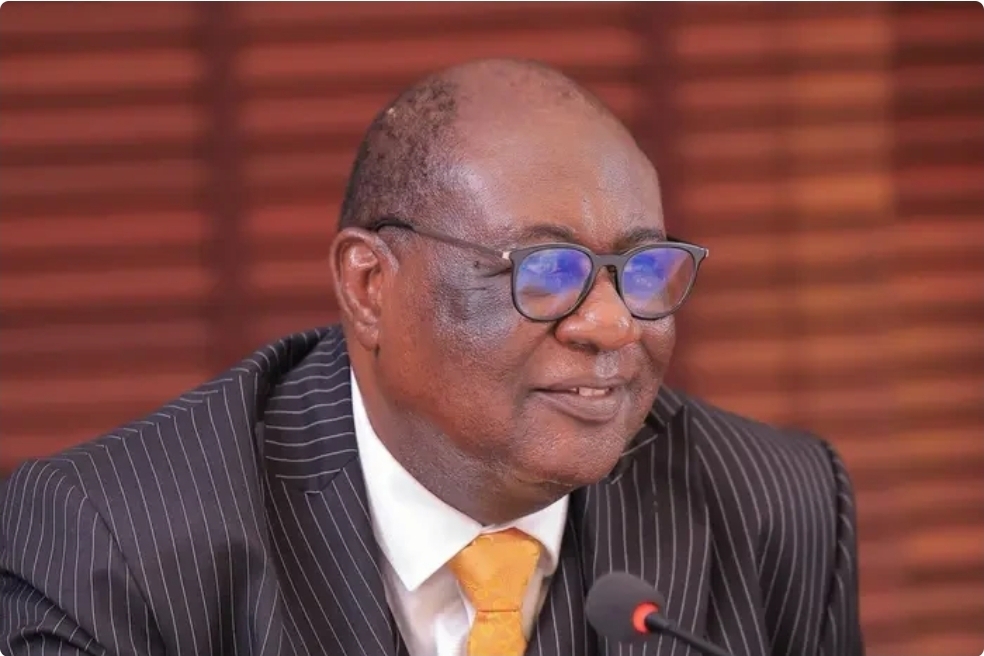 Government will not gazette Kijanangoma as King of Tooro for now - Attorney General insists
Ultimate Uganda
Government will not gazette Kijanangoma as King of Tooro for now - Attorney General insists
Ultimate Uganda
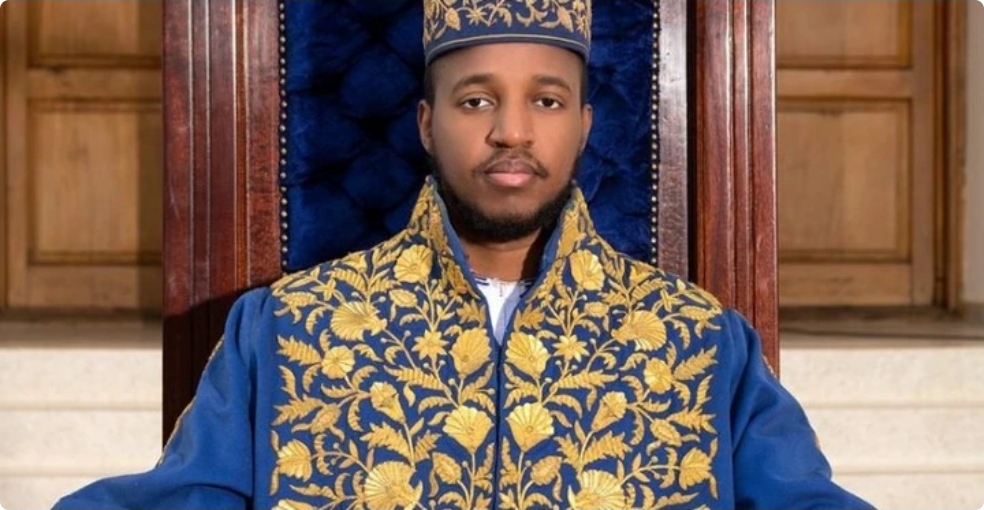 King Oyo’s Body to Arrive Thursday
Ultimate Uganda
King Oyo’s Body to Arrive Thursday
Ultimate Uganda
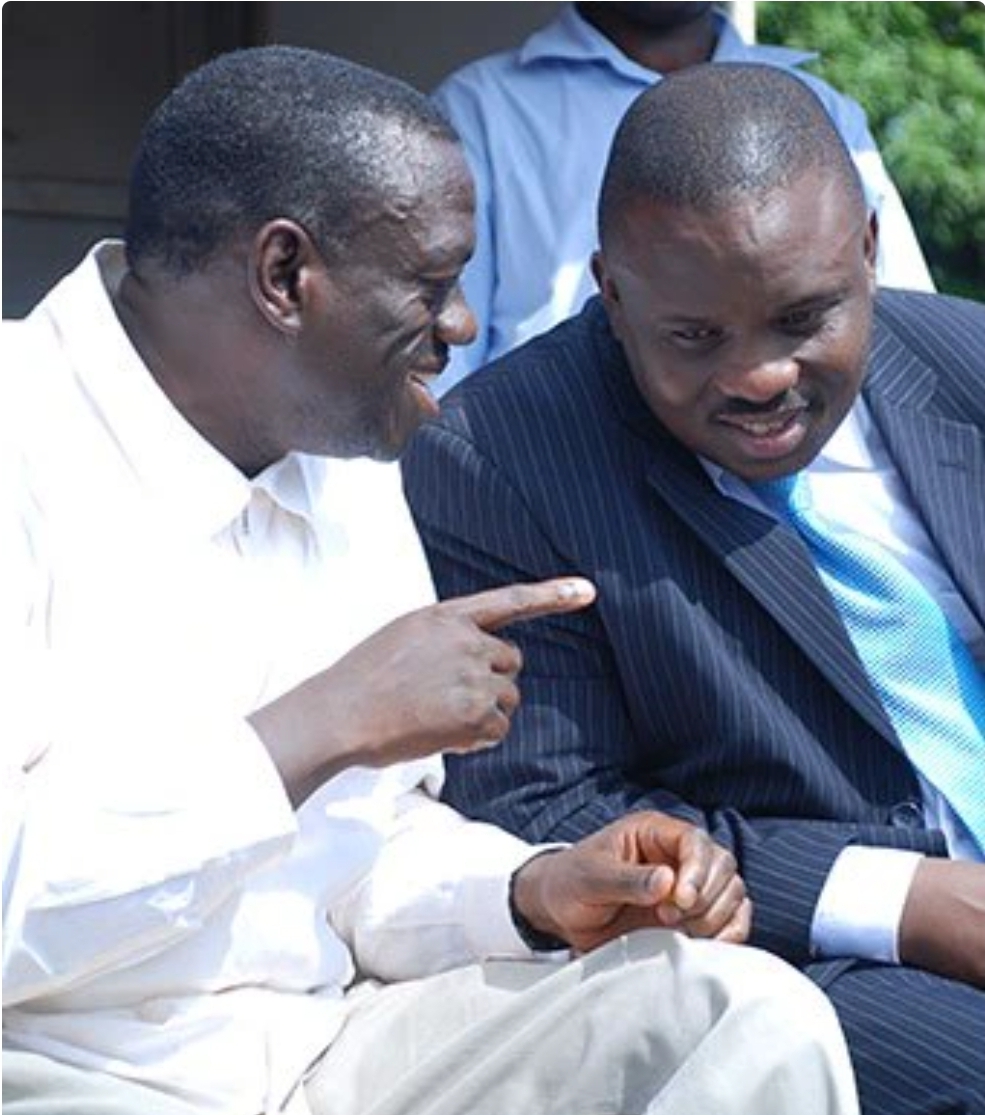 Besigye, Lukwago expected to meet Gen. Salim Saleh today at Kapeeke
Ultimate Uganda
Besigye, Lukwago expected to meet Gen. Salim Saleh today at Kapeeke
Ultimate Uganda
 Rwabwogo Advised to ‘Eat His Bishop’ As MK Prepares to Enter State H’se: PREZ MUSEVENI ON HIS WAY OUT
Ultimate Uganda
Rwabwogo Advised to ‘Eat His Bishop’ As MK Prepares to Enter State H’se: PREZ MUSEVENI ON HIS WAY OUT
Ultimate Uganda
0 Comments