
Explainer: The role of the military and the internet blackout in Uganda’s polls
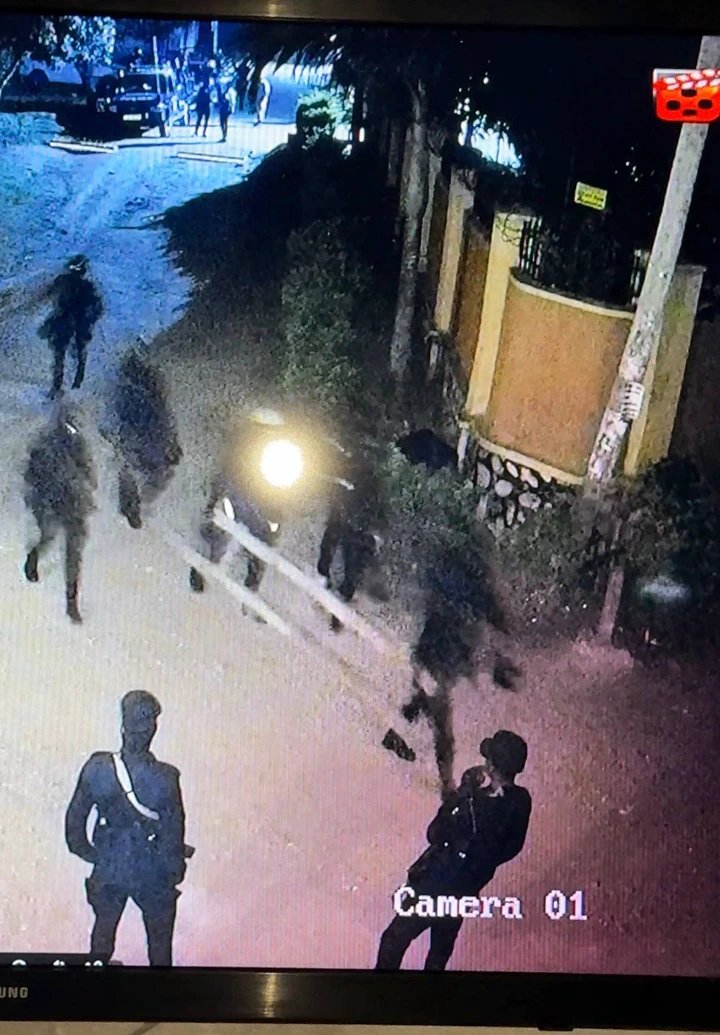

After a military raid on his home in Magere, Robert Kyagulanyi remains in hiding while condemning election irregularities and the house arrest of his relatives.
Uganda’s presidential election, held on Jan. 15, 2026, was defined by a massive security presence and a total digital blackout, measures the government described as necessary for stability but which critics say were designed to ensure President Yoweri Museveni’s victory.
As the 81-year-old leader secured a seventh term with 71.65 percent of the vote, the dual strategy of physical and digital control became the central focus of international and domestic concern.
The Digital Darkness
The Uganda Communications Commission (UCC) ordered a nationwide suspension of public internet access starting at 18:00 local time on Jan. 13, just two days before polls opened. The order affected social media, messaging apps and general web browsing.
While the government had assured the public on Jan. 5 that internet access would be maintained, the eventual shutdown created what rights groups called an information vacuum. Authorities justified the move as a preventive step against the weaponisation of the internet for misinformation and incitement.
However, opposition leader Robert Kyagulanyi, known as Bobi Wine, said the blackout was a tool to hide electoral fraud and atrocities. The shutdown also hampered the use of biometric voter verification kits at many polling stations, leading to significant delays and a move to manual voting in some areas.
The Militarised Landscape
On the ground, the election felt more like a security operation than a civic exercise. The government deployed more than 10,000 additional police officers and 100,000 special constables, while armoured vehicles and soldiers patrolled the streets of Kampala and other opposition strongholds.
The military’s role was not limited to patrols. Hundreds of opposition supporters and activists were arrested in the weeks leading up to the vote, and prominent figures like Kizza Besigye remained in custody. Security forces used live ammunition, tear gas and water cannons to disperse rallies, resulting in several deaths during the campaign period and post-election protests.
The Special Forces Command (SFC), an elite unit, was heavily involved in securing the capital. Military spokesperson Col. Chris Magezi maintained that the deployment was meant to deter violence, but the UN Human Rights Office warned that the vote took place in an environment of widespread repression and intimidation.
Institutional Control
The influence of the military also extended into the legal and administrative spheres. Military courts were increasingly used to try civilians, a move Amnesty International described as a front line in the war on dissent.
At the same time, the government tightened its grip on civil society, suspending the permits of several non-governmental organisations and freezing their bank accounts.
By combining a physical clampdown with a total communications blockade, the state effectively managed the narrative of the election, even as voter turnout hit a record low of 52.5 percent. For many Ugandans, the 2026 polls were less about a democratic choice and more about the enduring strength of the country’s security apparatus.


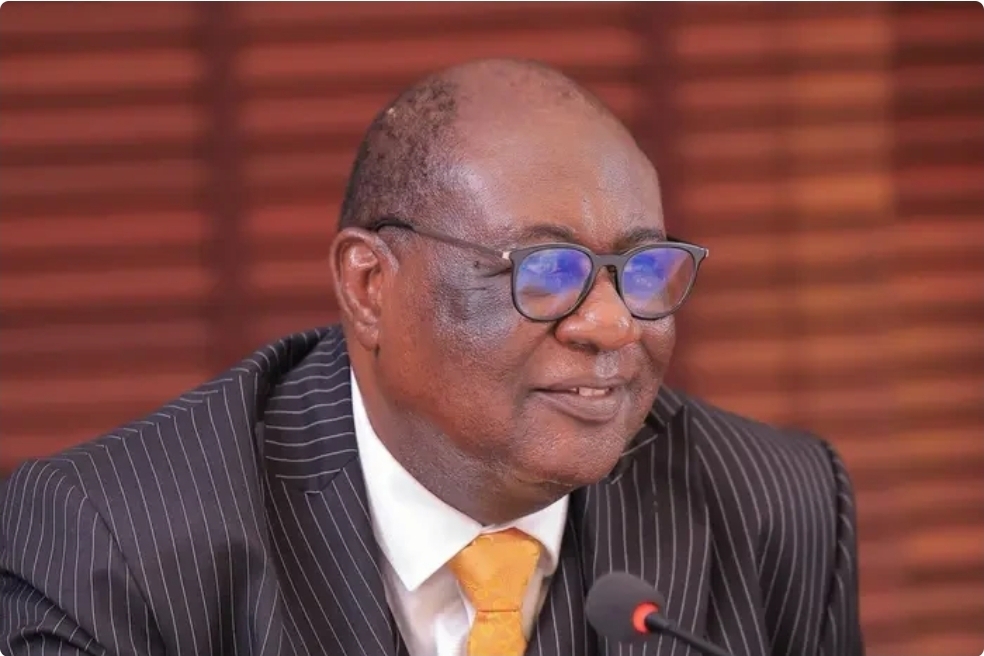 Government will not gazette Kijanangoma as King of Tooro for now - Attorney General insists
Ultimate Uganda
Government will not gazette Kijanangoma as King of Tooro for now - Attorney General insists
Ultimate Uganda
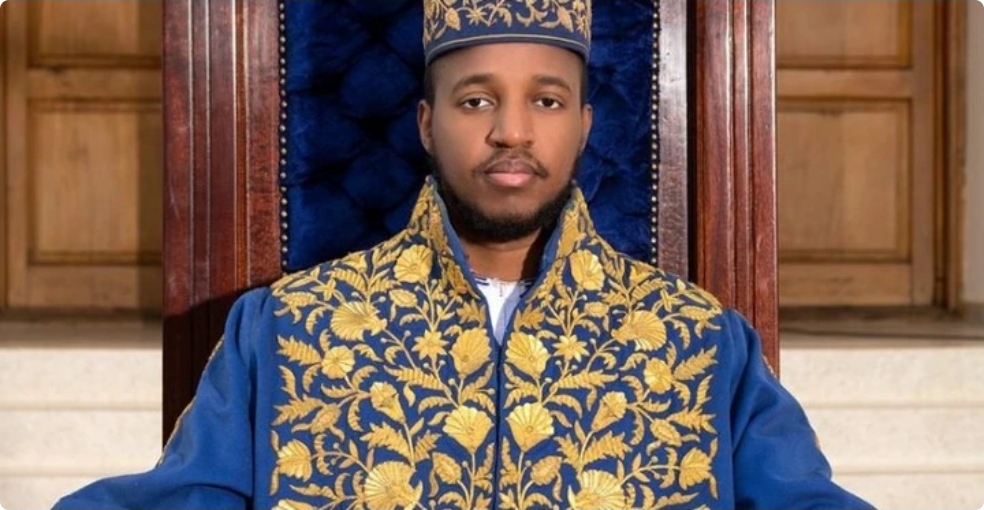 King Oyo’s Body to Arrive Thursday
Ultimate Uganda
King Oyo’s Body to Arrive Thursday
Ultimate Uganda
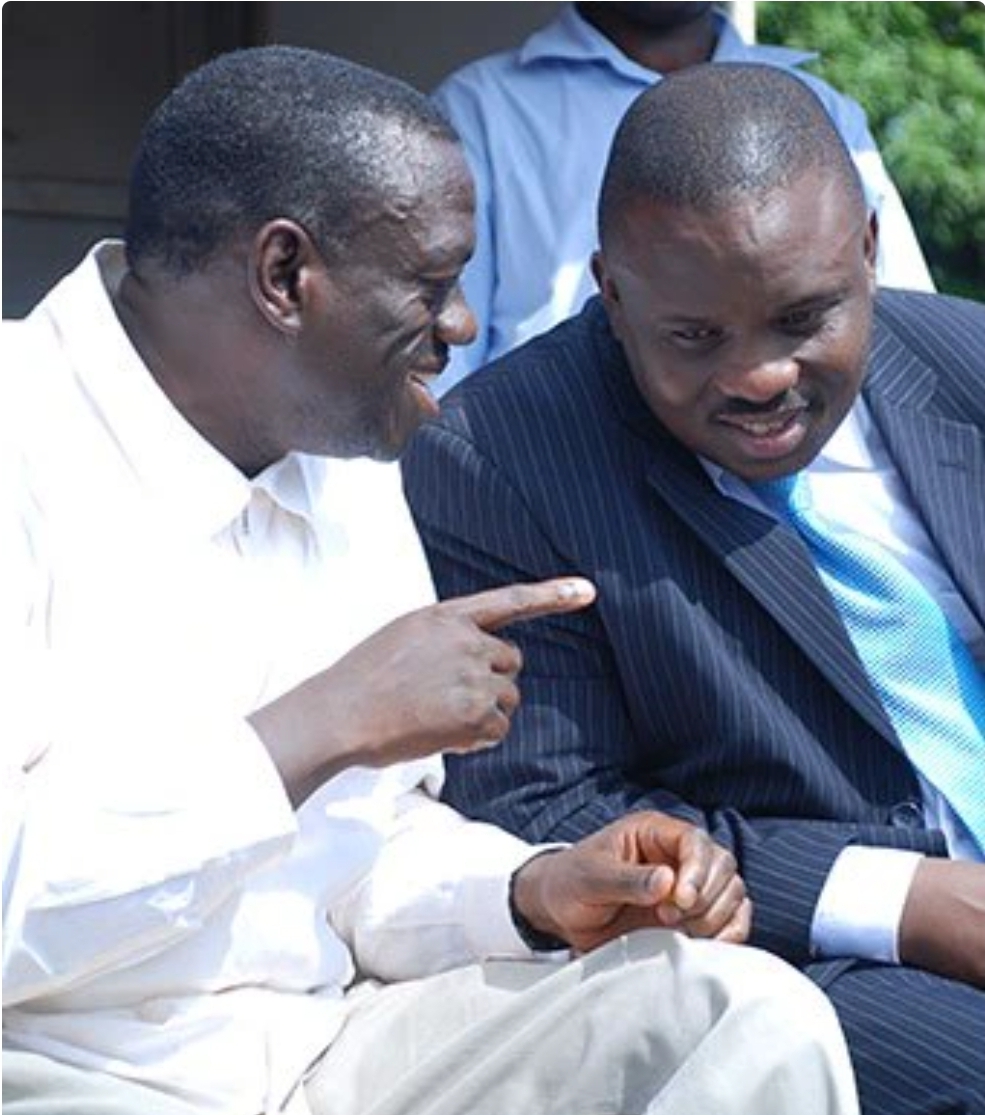 Besigye, Lukwago expected to meet Gen. Salim Saleh today at Kapeeke
Ultimate Uganda
Besigye, Lukwago expected to meet Gen. Salim Saleh today at Kapeeke
Ultimate Uganda
 Rwabwogo Advised to ‘Eat His Bishop’ As MK Prepares to Enter State H’se: PREZ MUSEVENI ON HIS WAY OUT
Ultimate Uganda
Rwabwogo Advised to ‘Eat His Bishop’ As MK Prepares to Enter State H’se: PREZ MUSEVENI ON HIS WAY OUT
Ultimate Uganda
0 Comments