
Prominent opposition heavyweights who fell as Uganda ushers in the 12th Parliament
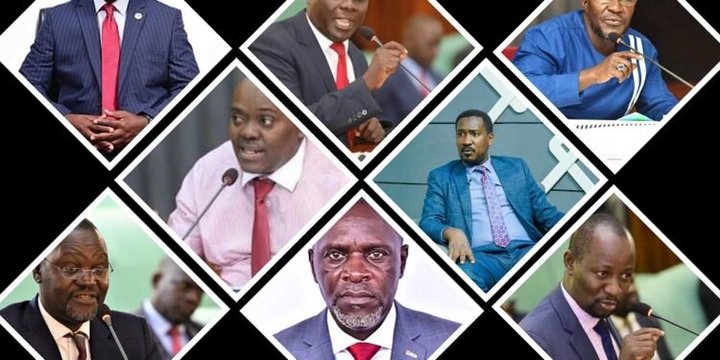

Uganda’s presidential and parliamentary elections held on January 15, 2026, have delivered a major political shake-up, with several high-profile opposition legislators losing their seats and bringing an end to some of the most influential careers in the 11th Parliament. The results underscore shifting voter dynamics, deepening fractures within opposition parties, and the growing impact of internal party contests on electoral outcomes.
Among the most striking defeats was that of Mathias Mpuuga Nsamba, the leader of the Democratic Front Party and Member of Parliament for Nyendo–Mukungwe Division. A seasoned lawyer and former Leader of the Opposition from 2021 to 2024, Mpuuga has been a central figure in opposition politics for over a decade. His loss marks a dramatic turn for a politician who previously served as Deputy President of the National Unity Platform (NUP) before his suspension from the party. Once seen as a bridge between opposition factions in Masaka and beyond, Mpuuga’s defeat highlights the political cost of party realignments in a highly polarized environment.
Also falling short was Ibrahim Ssemujju Nganda, the outspoken journalist-turned-politician who represented Kira Municipality. Known for his sharp parliamentary debates and for chairing the influential Committee on Commissions, Statutory Authorities and State Enterprises (COSASE), Ssemujju contested the election under the banner of the newly formed People’s Front for Freedom (PFF). Having previously broken ranks with the Forum for Democratic Change (FDC), his loss suggests the difficulty new parties face in converting political visibility into electoral success.
Veteran legislator Abdu Katuntu, the long-serving Member of Parliament for Bugweri County, also failed to secure re-election. Katuntu, a lawyer by profession, first entered Parliament in 2001 and built a reputation as a meticulous legislator, serving as Shadow Attorney General and later as chair of COSASE. His political journey has included dramatic moments, including a court-ordered by-election victory after losing his seat in 2006. His 2026 defeat closes a chapter on one of Parliament’s most experienced opposition figures.
In Butambala District, Muwanga Muhammad Kivumbi, an economist and chairperson of the Public Accounts Committee (Central Government), was another notable casualty. A former Democratic Party member who joined NUP in 2021 and rose to become Deputy President for the party’s central region in 2025, Kivumbi’s loss deprives Parliament of a key accountability voice and a leading figure within the Buganda parliamentary caucus.
Masaka City also witnessed the exit of Abed Bwanika, the veteran opposition politician, pastor, and former presidential candidate. Representing Kimanya–Kabonera constituency, Bwanika had a long and varied political career spanning support for President Yoweri Museveni in the 1990s, allegiance to Dr. Kizza Besigye, multiple presidential bids, and eventual alignment with NUP. His defeat signals a generational and strategic shift within opposition strongholds.
In Wakiso District, Medard Lubega Sseggona, popularly known as Kalya Amaggwa, lost his Busiro East seat after opting to run as an independent. A former Minister for Information in the Buganda Kingdom and chairperson of COSASE, Sseggona had recently gained continental prominence as Chairperson of the African Organization of Public Accounts Committees (AFROPAC). His decision to part ways with NUP and challenge the party’s official candidate proved costly at the ballot.
Eastern Uganda was not spared either. Asuman Basalirwa, the Justice Forum (JEEMA) president and Member of Parliament for Bugiri Municipality, also failed to return to the House. Basalirwa, who chaired the Inter-Party Organisation on Dialogue (IPOD) and served as Deputy Chairperson of the Public Accounts Committee, was a prominent national figure, particularly after tabling the contentious Anti-Homosexuality Bill in 2023.
Completing the list of notable exits is Allan Aloysius Ssewanyana, the former Makindye Division West legislator. A sports journalist turned politician, Ssewanyana ran as an independent after being denied the NUP flag but lost to the party’s official candidate. His defeat reflects the growing challenge faced by independents competing against well-organized party machinery.
Collectively, these losses mark the end of an era for a group of opposition politicians who shaped debate, oversight, and dissent in the 11th Parliament. As the 12th Parliament takes shape, the opposition will be forced to rebuild its leadership, redefine its strategy, and contend with the realities of an evolving political landscape where party loyalty, grassroots mobilization, and internal cohesion increasingly determine electoral survival.


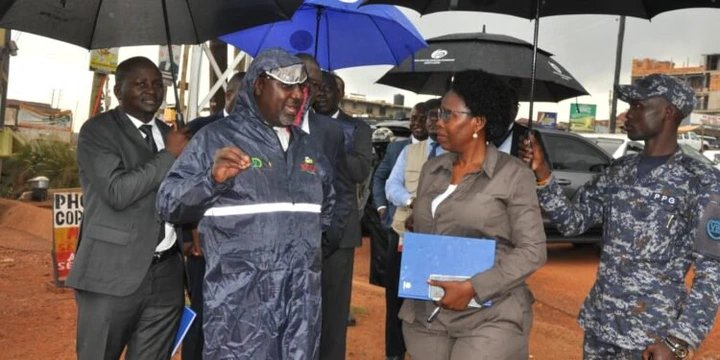 Museveni steps into Mulago land dispute
Ultimate Uganda
Museveni steps into Mulago land dispute
Ultimate Uganda
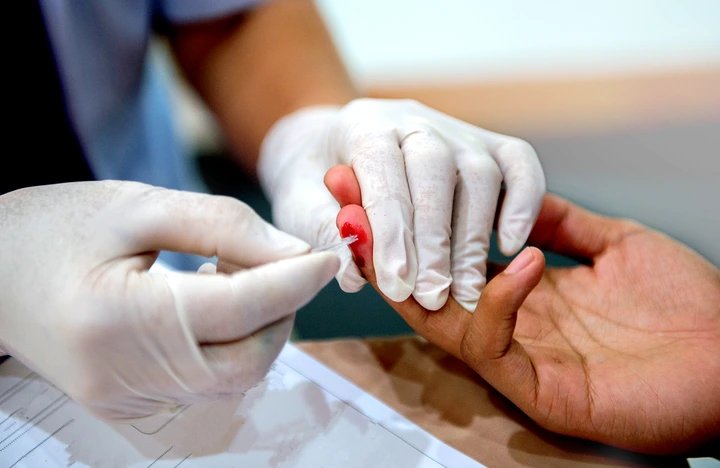 HIV Alarm in Kampala: 211 New Infections Weekly Linked to Massage Parlours, Spas & Lodges
Ultimate Uganda
HIV Alarm in Kampala: 211 New Infections Weekly Linked to Massage Parlours, Spas & Lodges
Ultimate Uganda
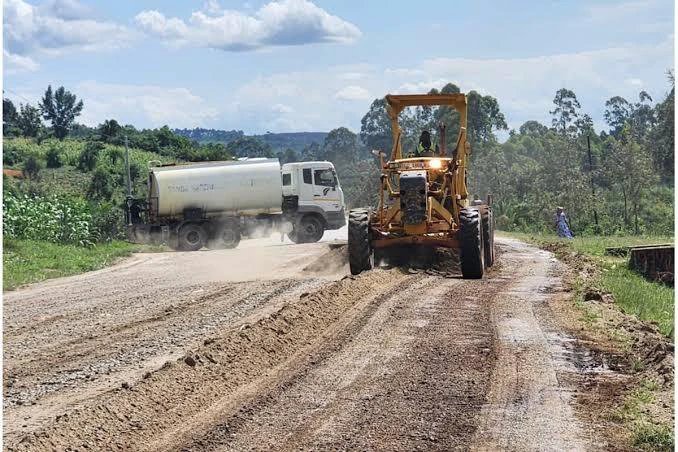 Uganda: ‘Delayed land acquisition stalling road works’
Ultimate Uganda
Uganda: ‘Delayed land acquisition stalling road works’
Ultimate Uganda
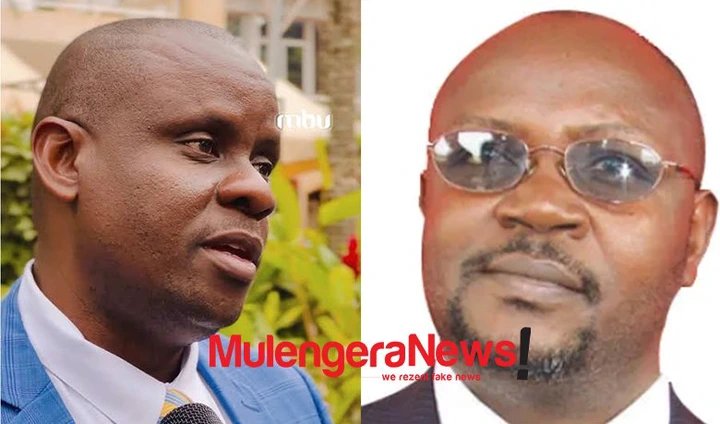 Fearless Former Minister Criticizes M7 For Always Betraying Sr Colleagues While Claiming to Be Fighting Corruption, Urges Barugahara & Nameere to Watch their Back
Ultimate Uganda
Fearless Former Minister Criticizes M7 For Always Betraying Sr Colleagues While Claiming to Be Fighting Corruption, Urges Barugahara & Nameere to Watch their Back
Ultimate Uganda
0 Comments