
Why Ssemujju Nganda Lost Kira Municipality — and What It Means
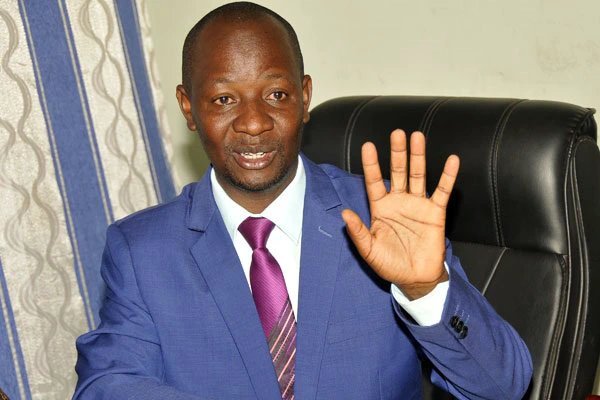

The defeat of Ibrahim Ssemujju Nganda in Kira Municipality stands out as one of the most surprising outcomes of Uganda’s 2026 parliamentary elections. In a constituency known for political awareness, urban exposure, and issue-based debate, few expected that one of Parliament’s most articulate, consistent, and nationally visible opposition MPs would be rejected by voters. Yet Kira chose George Musisi over a man many assumed had a near-guaranteed return to the House.
Ssemujju’s loss is not a rejection of intellect, honesty, or parliamentary performance. Rather, it exposes a growing disconnect between national political relevance and local voter expectations in urban constituencies.
For more than a decade, Ssemujju built a reputation as a fearless debater, a principled legislator, and a sharp critic of the executive. He was among the most prepared MPs on the floor, often armed with facts, history, and legal grounding. His interventions regularly embarrassed ministers, including Prime Minister Robinah Nabbanja, who will not miss his relentless scrutiny. In Parliament, Ssemujju mattered.
But elections are not won in Parliament alone.
Kira Municipality is highly urbanised, youthful, transient, and increasingly impatient. Voters here are less impressed by televised debates and more interested in tangible local outcomes—roads, drainage, service delivery, constituency presence, and personal accessibility. Many voters quietly felt that while Ssemujju spoke loudly for the nation, he spoke less visibly for Kira.
This is where the contradiction lies: exposure does not automatically translate into loyalty. In fact, exposure can work against long-serving MPs. The more voters see you, the more they scrutinise you—not just your words, but your physical presence in the community. Kira voters asked a simple question: “What has changed here because Ssemujju is our MP?†For many, the answers were unclear.
Another factor was political fatigue. Urban voters, particularly the youth, are increasingly suspicious of long-standing political figures, even in the opposition. Longevity is no longer automatically equated with experience; sometimes it is interpreted as stagnation. Ssemujju, despite his brilliance, began to look like part of the old political order in a constituency hungry for freshness and a different style of representation.
George Musisi benefited from this mood. His campaign leaned into proximity, availability, and the promise of being a “local MP†first. In a race where emotions, identity, and presence mattered more than rhetorical excellence, Musisi appeared closer, more grounded, and more responsive to everyday concerns. Kira voters did not vote against Ssemujju’s intelligence; they voted for what they perceived as practical representation.
There was also the question of party branding and opposition fragmentation. Urban constituencies have become volatile opposition spaces where voters are less loyal to parties and more experimental with candidates. The assumption that Kira would automatically return a familiar opposition heavyweight proved false. Voters felt empowered to “try something else.â€
Ssemujju himself should be shocked—not because he is undeserving, but because his loss underscores a brutal truth of modern Ugandan politics: being right is not enough; being present matters more. Articulation without constant grassroots engagement is no longer sufficient, even in enlightened constituencies.
The impact of his defeat is significant. Parliament loses one of its most effective watchdogs and intellectual combatants. The executive, particularly Prime Minister Nabbanja, gains breathing space. Oversight debates will be less sharp, less informed, and arguably less courageous.
For opposition politics, the lesson is sobering. Strong MPs can fall if they underestimate local dynamics. Urban voters are not predictable, and exposure does not guarantee protection.
Ssemujju Nganda did not lose because he was weak. He lost because politics has changed—and Kira decided it wanted a different kind of MP.


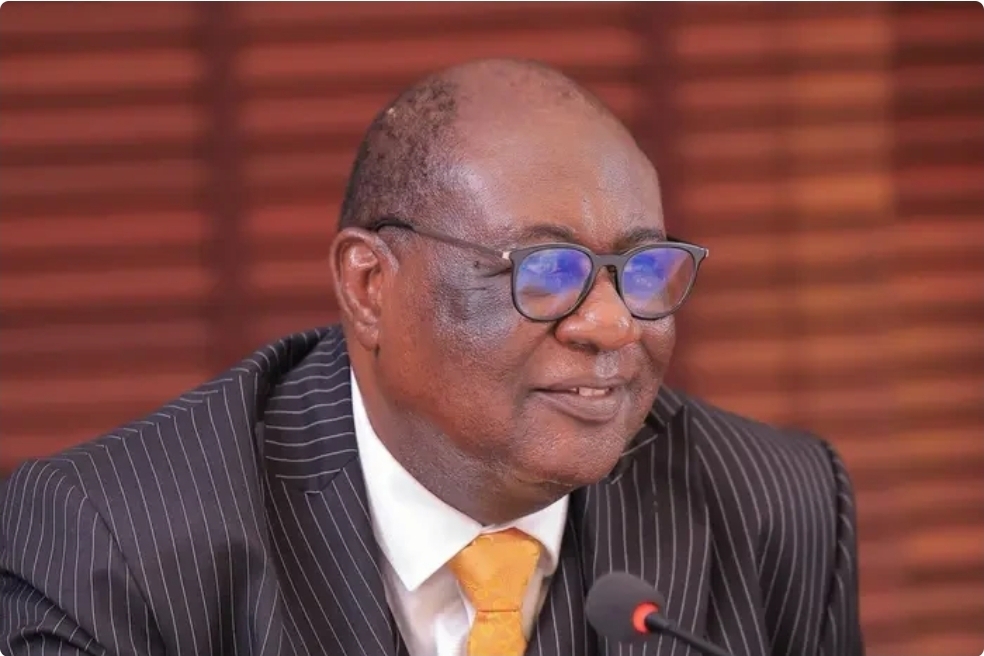 Government will not gazette Kijanangoma as King of Tooro for now - Attorney General insists
Ultimate Uganda
Government will not gazette Kijanangoma as King of Tooro for now - Attorney General insists
Ultimate Uganda
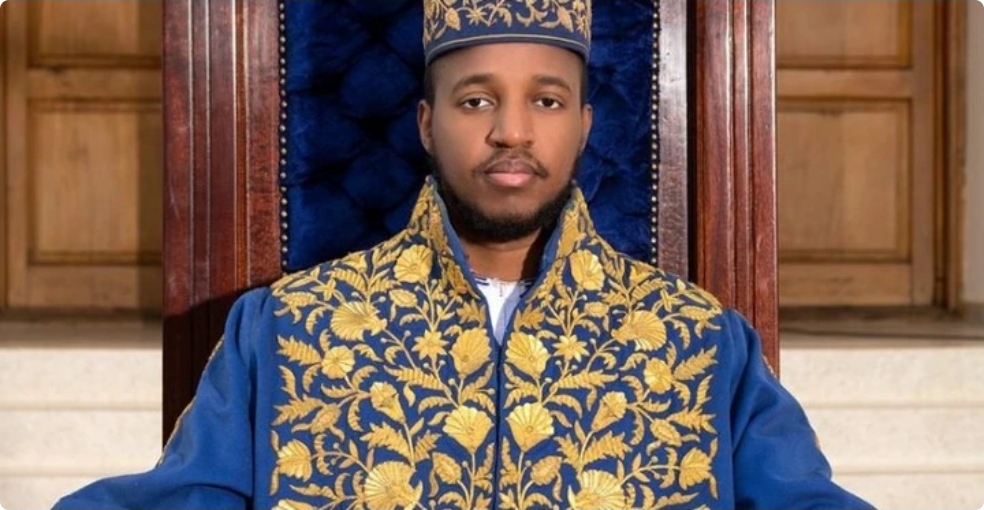 King Oyo’s Body to Arrive Thursday
Ultimate Uganda
King Oyo’s Body to Arrive Thursday
Ultimate Uganda
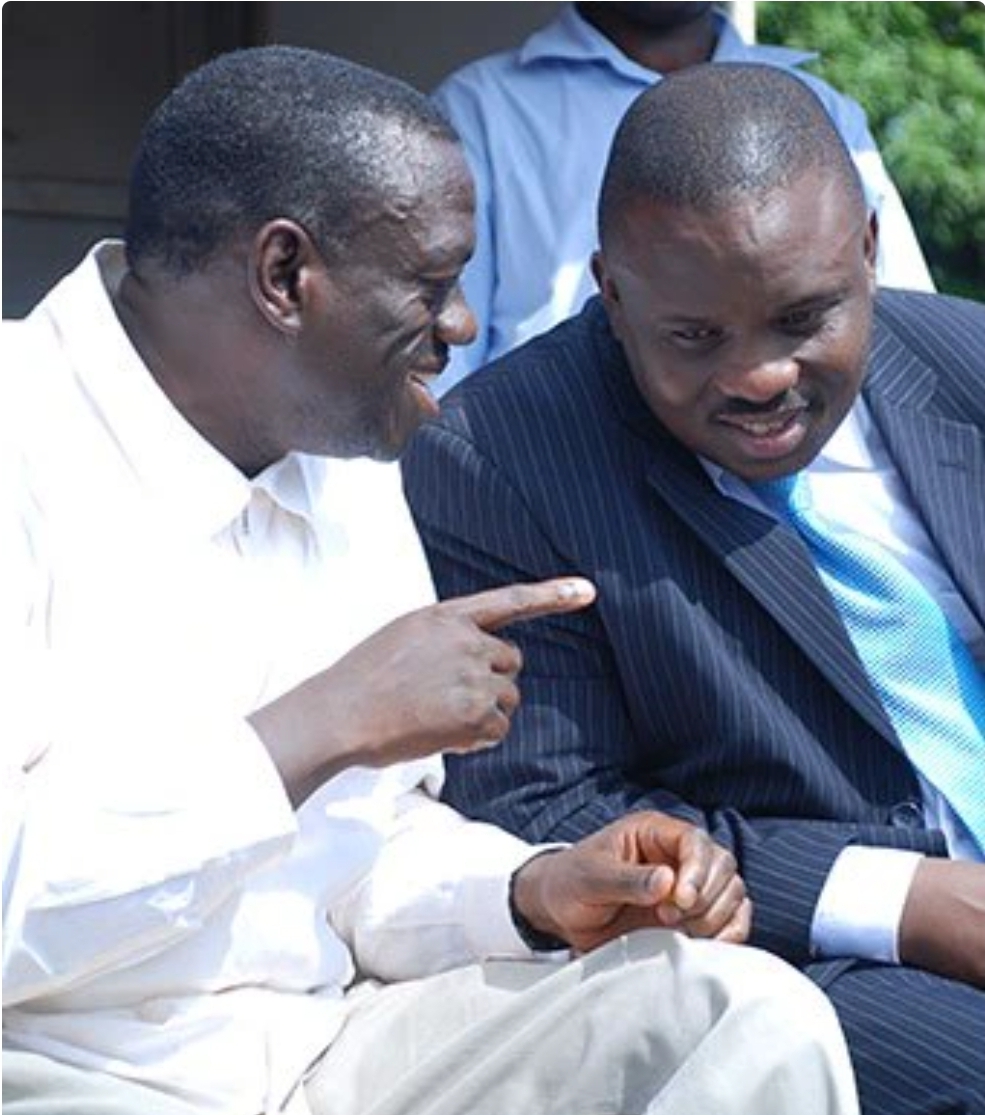 Besigye, Lukwago expected to meet Gen. Salim Saleh today at Kapeeke
Ultimate Uganda
Besigye, Lukwago expected to meet Gen. Salim Saleh today at Kapeeke
Ultimate Uganda
 Rwabwogo Advised to ‘Eat His Bishop’ As MK Prepares to Enter State H’se: PREZ MUSEVENI ON HIS WAY OUT
Ultimate Uganda
Rwabwogo Advised to ‘Eat His Bishop’ As MK Prepares to Enter State H’se: PREZ MUSEVENI ON HIS WAY OUT
Ultimate Uganda
0 Comments