
Museveni’s 2026 election victory challenged in Supreme Court
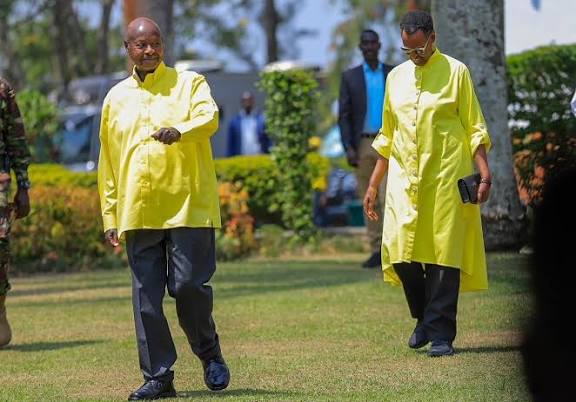

President Museveni campaigned in Lango, urging supporters to protect peace and development gains. Get the details on his NRM party's platform and promises.
Presidential candidate Robert Kasibante has petitioned the Supreme Court seeking to nullify the declaration of President Yoweri Kaguta Museveni as the winner of the 2026 presidential election, alleging widespread electoral irregularities, illegalities and non-compliance with electoral laws.
Kasibante, who contested on the Peasants Party ticket, filed the petition under Article 104 of the Constitution and Section 61 of the Presidential Elections Act, naming President Museveni, the Electoral Commission (EC) and the Attorney General as respondents.
According to the petition, the presidential election was held on January 15, 2026, and on January 17, the Electoral Commission declared Museveni the winner with 7,946,772 votes. Kasibante was declared to have obtained 33,440 votes, while other candidates included Robert Kyagulanyi Ssentamu with 2,741,238 votes, Nathan Nandala Mafabi with 209,039 votes, and Gen Gregory Mugisha Muntu with 59,276 votes.
Kasibante states that he is aggrieved by both the declaration of the winner and the manner in which the election was conducted, contending that the entire electoral process was marred by widespread illegalities and non-compliance with the law which affected the result of the election in a substantial manner.
In his affidavit in support of the petition, Kasibante avers that the Electoral Commission failed in its constitutional duty to organise free and fair elections, alleging that it acted under the influence of the first respondent and other state actors. He contends that the Commission was not independent in the conduct, organisation and supervision of the presidential election.
The petition alleges that security forces, including the Uganda People’s Defence Forces and the police, were involved in acts of violence, intimidation and harassment against opposition candidates and their supporters during the campaign period. Kasibante states that his campaign activities were disrupted on several occasions and that his supporters were subjected to teargas and physical assaults.
He further alleges that other presidential candidates, including Robert Kyagulanyi and Nathan Nandala Mafabi, were similarly subjected to violence and harassment during their campaigns, citing incidents in districts such as Gulu, Arua, Iganga and Namisindwa.
“The violence inflicted upon the candidates by the armed forces was carried out under the direction of the First Respondent, who, as the supreme commander of the Uganda People’s Defence Forces, bears ultimate responsibility,†Kasibante states in the petition.
Kasibante also challenges the Electoral Commission’s directive requiring voters to leave polling stations immediately after casting their ballots, arguing that it was unlawful and curtailed transparency. He contends that the directive violated provisions allowing voters to remain at least 20 metres away from polling stations to observe the process.
Another key ground of the petition concerns the alleged failure by the Electoral Commission to gazette approximately 15,256 polling stations ahead of the election, representing nearly 30 per cent of all polling stations nationwide. Kasibante argues that votes cast at these stations were unlawful and should not have been included in the national tally.
“The inclusion of returns from ungazetted polling stations compromised the integrity and result of the election,†the petition states, adding that candidates and their agents were denied the opportunity to deploy and monitor the affected stations.
The petitioner further alleges misuse of government resources by the incumbent, including the deployment of government vehicles, security personnel and public facilities for campaign purposes. He also accuses state-owned media of providing unequal coverage in favour of Museveni.
Kasibante also challenges the use of Biometric Voter Verification (BVV) machines, alleging that they were deployed without a proper legal framework and that the Electoral Commission denied him and his party the opportunity to inspect or test the systems.
In his affidavit, Kasibante states that “the operating system and software architecture of the BVV machines were unknown and undisclosed, raising serious concerns about integrity, security, and susceptibility to tampering.â€
Among the remedies sought, Kasibante asks the Supreme Court to declare that Museveni was not duly elected, nullify the election results, order an audit of election returns and BVV systems, and direct the Electoral Commission to conduct a fresh presidential election in compliance with the law.
The respondents are required to file their answers within ten days after service of the petition, failing which the matter may proceed in their absence.


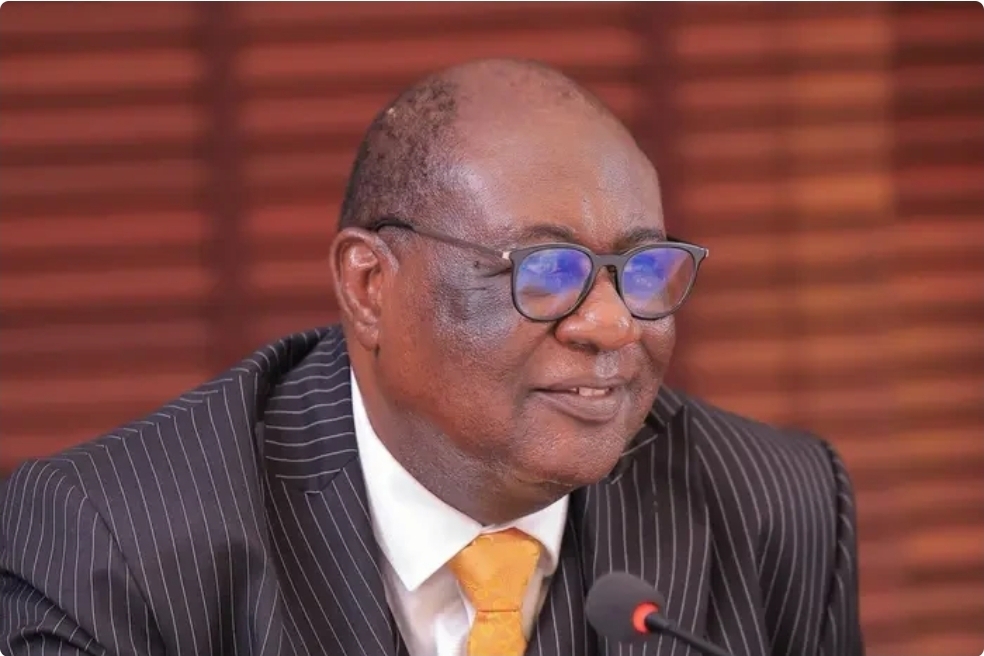 Government will not gazette Kijanangoma as King of Tooro for now - Attorney General insists
Ultimate Uganda
Government will not gazette Kijanangoma as King of Tooro for now - Attorney General insists
Ultimate Uganda
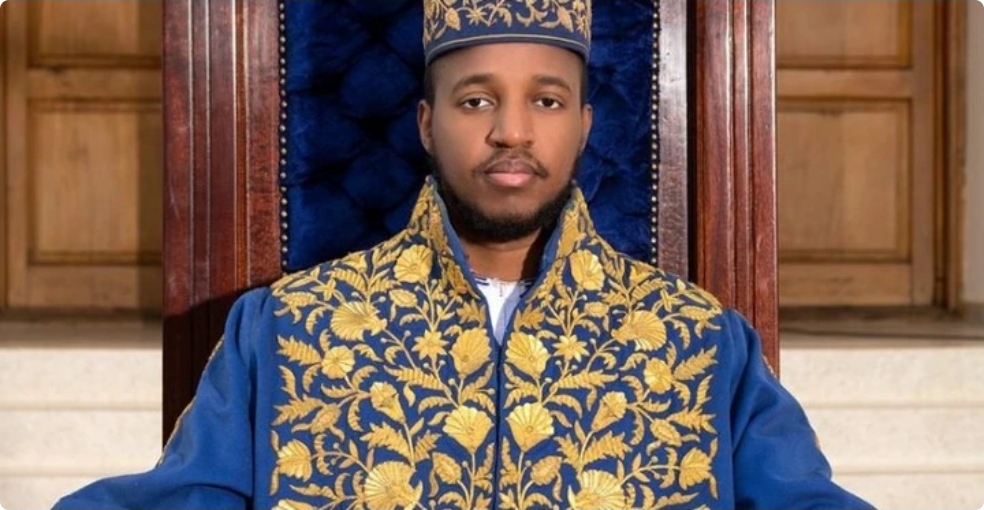 King Oyo’s Body to Arrive Thursday
Ultimate Uganda
King Oyo’s Body to Arrive Thursday
Ultimate Uganda
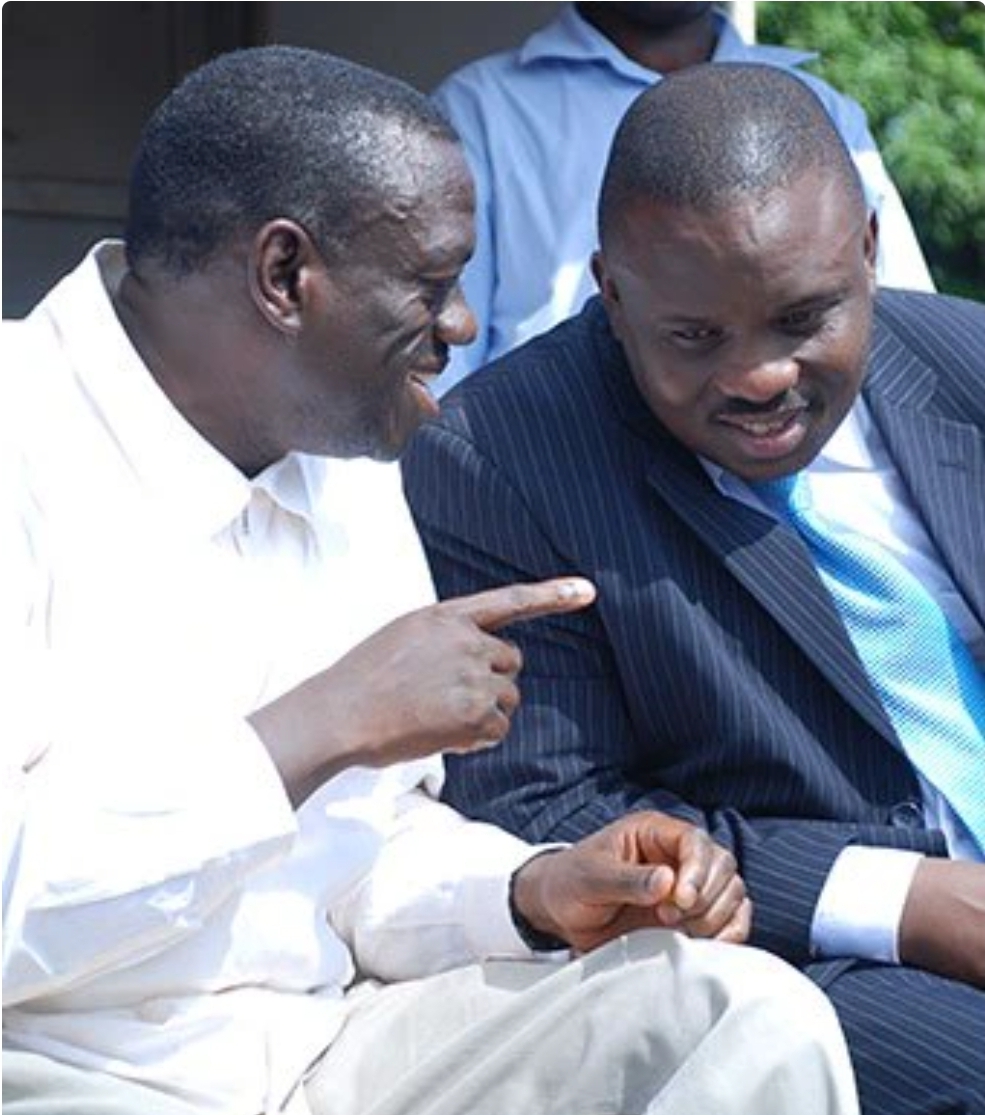 Besigye, Lukwago expected to meet Gen. Salim Saleh today at Kapeeke
Ultimate Uganda
Besigye, Lukwago expected to meet Gen. Salim Saleh today at Kapeeke
Ultimate Uganda
 Rwabwogo Advised to ‘Eat His Bishop’ As MK Prepares to Enter State H’se: PREZ MUSEVENI ON HIS WAY OUT
Ultimate Uganda
Rwabwogo Advised to ‘Eat His Bishop’ As MK Prepares to Enter State H’se: PREZ MUSEVENI ON HIS WAY OUT
Ultimate Uganda
0 Comments