
Standard Chartered boss throws in the towel as bank struggles deepen in Uganda and Kenya


The cracks inside Standard Chartered Bank are no longer whispers — they are now headline news.
As the British banking giant retreats from struggling markets, its top executives are heading for the exit and its once-proud retail empire in Uganda has collapsed into a fire sale.
In the latest bombshell, Standard Chartered Bank Kenya CEO Kariuki Ngari has announced he will retire in April 2026, ending a 24-year run with the lender. The exit comes at a time when the bank is grappling with falling profits, bruising court battles, and growing doubts about its future in East Africa.
StanChart Kenya recently stunned investors with a profit warning, revealing that FY 2025 profits will plunge by more than 25% compared to the previous year. For a bank long marketed as the gold standard of stability on the Nairobi Securities Exchange, the announcement hit like a thunderbolt.
Even worse, the slump comes as the lender is still licking its wounds from a Sh7 billion pension payout ordered by Kenya’s Supreme Court to over 600 former employees — a legal defeat that exposed costly legacy issues and drained resources.
Outgoing Kenya CEO Kariuki Ngari will remain haunted over this and is marked as one of his biggest failures.
Because of this costly CEO Kariuki led management, shareholders will never forgive him.
Dividends — the holy grail for StanChart shareholders — are now under serious threat. For years, the bank has relied on generous payouts to keep investors loyal. A cut would not just hurt pockets; it would shatter the bank’s carefully crafted image.
To make matters worse, the bank is yet to fully appreciate digital revolution.
Behind the scenes, rivals like Centenary and Equity are racing ahead with digital banking, retail expansion, and regional muscle. StanChart’s cautious, conservative playbook now looks outdated in a fintech-driven battlefield.
If Kenya raised eyebrows, Uganda confirmed the crisis.
Last year, StanChart quietly sold off its struggling retail and wealth business in Uganda to Absa Bank, effectively ending an era for one of the country’s oldest banks.
The deal — sealed in Kampala — handed over all retail customers and staff to Absa, as StanChart retreated to focus only on corporate and investment banking.
Translation on the streets? Retail banking in Uganda was bleeding cash.
The signing ceremony brought together big names, including Maria Kiwanuka, Sanjay Rughani, David Wandera, and Ngari himself. Ngari described the move as part of a “global clean-up operation,†insisting StanChart would now focus on areas where it can “create the greatest impact.â€
Industry insiders were less diplomatic.
“Competition killed them,†one banker whispered. “Centenary, Stanbic, Equity, dfcu — they couldn’t keep up.â€
For Absa, it was Christmas.
“This is a major milestone,†said Absa Uganda boss David Wandera, as the bank moved to dominate Uganda’s retail banking space with new customers and staff absorbed from StanChart.
Regulatory approvals are still pending, but the outcome is clear: StanChart is out of Uganda’s retail game — permanently.
Once seen as untouchable, the British banking lion now looks wounded. Legal battles, shrinking profits, stiff competition, and strategic retreats have replaced the calm confidence that once defined the brand.
The big question now haunting boardrooms and trading floors alike:
Is StanChart facing a temporary stumble — or a slow, dignified exit from East Africa’s retail banking battlefield?
One thing is certain — history alone will no longer save it.


 Starlink goes live in Uganda; price comparisons against MTN, Airtel
Ultimate Uganda
Starlink goes live in Uganda; price comparisons against MTN, Airtel
Ultimate Uganda
 NSSF sets September 24 for Annual Members Meeting as savers await interest rate declaration
Ultimate Uganda
NSSF sets September 24 for Annual Members Meeting as savers await interest rate declaration
Ultimate Uganda
 Boda boda riders launch e-commerce, digital loans platform
Ultimate Uganda
Boda boda riders launch e-commerce, digital loans platform
Ultimate Uganda
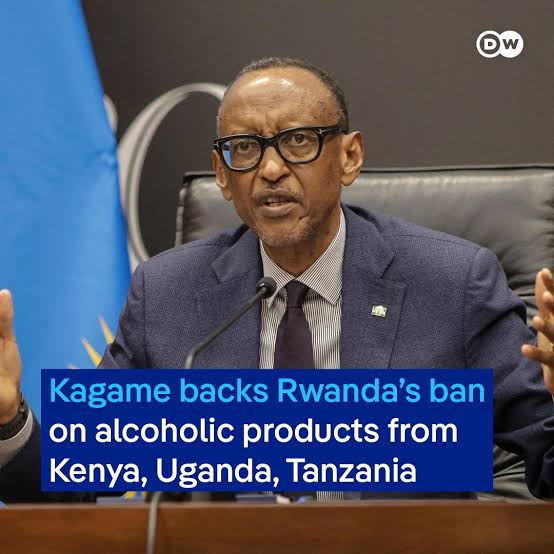 Rwanda: We Cannot Sit and Watch As Illicit Alcohol Kills People - Kagame
Ultimate Uganda
Rwanda: We Cannot Sit and Watch As Illicit Alcohol Kills People - Kagame
Ultimate Uganda
0 Comments