
Ugandans to Fund Over UGX 2.3 Trillion for Police Wages by 2030

Ugandans will be asked to pay more than UGX 2.368 trillion in taxes over the next five years to cover the salaries of officers and staff of the Uganda Police Force (UPF). This revelation came from Aggrey Wunyi, the Undersecretary of the Uganda Police Force, when he appeared before Parliament’s Defence and Internal Affairs Committee on 23rd January 2026. The committee was reviewing the Police’s 2026/27 National Budget Framework Paper and discussing how much money will be needed in the coming years.
Wunyi explained that the Police have carefully projected the wage requirements for the next four financial years. For the 2026/27 year, the force estimates it will need UGX 550 billion just to pay salaries. In the following year, assuming police recruitment continues only to replace retirees and those who leave, the wage bill will rise to UGX 578 billion. Projections show this trend continuing, with UGX 606 billion planned for 2028/29 and UGX 634 billion for 2029/30. Altogether, these figures add up to more than UGX 2.368 trillion over the medium term. These are funds that must come from taxpayers through government revenue and budget allocations.
These wage projections come at a time when the national wage bill for other public servants, including senior police officers, has already been rising. In recent years, the government has increased salaries for many public service workers, including senior police and prison officers, as part of efforts to address long-standing pay disparities in the public sector. For example, senior police ranks like Assistant Inspectors General of Police now earn significantly higher monthly salaries than before as part of a phased salary enhancement plan.
While increasing wages can improve morale and help retain skilled personnel, the growing cost of wages places pressure on the national budget. Uganda’s government must balance paying competitive salaries with meeting other essential needs such as health, education, infrastructure, and security operations. As the Police wage bill continues to grow, taxpayers and policymakers alike will be watching closely to see how these commitments affect national spending priorities in the years ahead.


 Government will not gazette Kijanangoma as King of Tooro for now - Attorney General insists
Ultimate Uganda
Government will not gazette Kijanangoma as King of Tooro for now - Attorney General insists
Ultimate Uganda
 King Oyo’s Body to Arrive Thursday
Ultimate Uganda
King Oyo’s Body to Arrive Thursday
Ultimate Uganda
 Besigye, Lukwago expected to meet Gen. Salim Saleh today at Kapeeke
Ultimate Uganda
Besigye, Lukwago expected to meet Gen. Salim Saleh today at Kapeeke
Ultimate Uganda
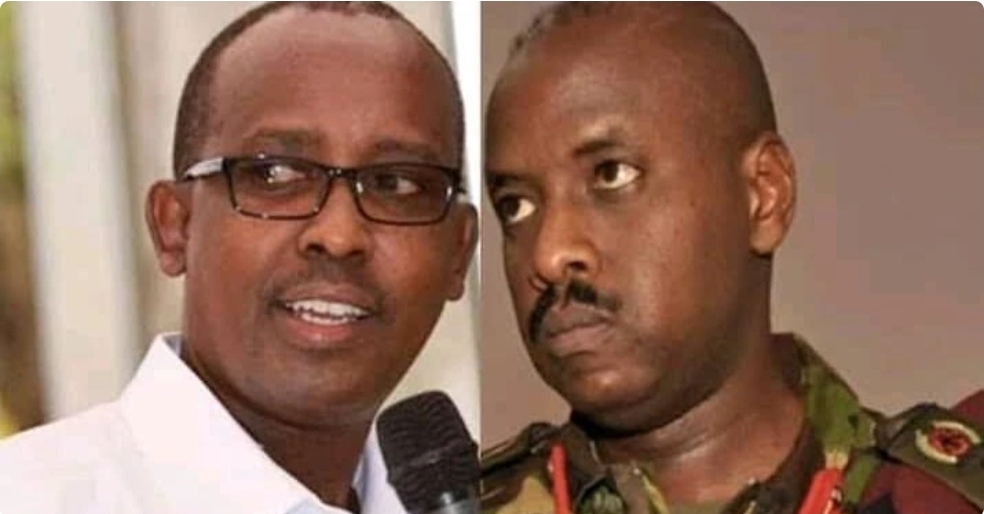 Rwabwogo Advised to ‘Eat His Bishop’ As MK Prepares to Enter State H’se: PREZ MUSEVENI ON HIS WAY OUT
Ultimate Uganda
Rwabwogo Advised to ‘Eat His Bishop’ As MK Prepares to Enter State H’se: PREZ MUSEVENI ON HIS WAY OUT
Ultimate Uganda
0 Comments