
WHO’S EATING UGANDA’S GOLD MONEY? Foreign Firms Cash in as Ugandans remain poor
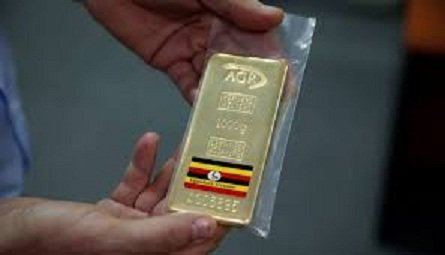

Uganda is sitting on a gold rush worth billions — but for most citizens, the shine stops at the headlines.
Gold exports have exploded over the past decade, rebounding strongly after a brief slump in 2022/23 caused by a tax dispute that temporarily halted exports. By 2025, Uganda’s gold earnings had surged to an estimated $5.2 billion (Shs 18.8 trillion), up from $3.8 billion the previous year. The mineral now accounts for nearly half of the country’s total export earnings, making it Uganda’s top foreign exchange earner.
But despite the gold billions, everyday life for most Ugandans tells a different story.
Critics say the boom has failed to translate into better jobs, higher incomes, or stronger public services. Uganda’s socio-economic indicators remain stubbornly weak, raising uncomfortable questions about who is really cashing in.
One major issue is where the gold actually comes from. While official estimates put Uganda’s gold production at about 3,200 kilogrammes in 2023, President Museveni has claimed the country could be sitting on 32 tonnes—currently valued at $12.8 trillion—or more . These figures, however, remain largely unverified.
Several studies suggest that much of the gold refined and exported from Uganda is not mined locally. Instead, Uganda appears to be acting as a regional gold hub, refining and re-exporting gold from neighbouring countries.
For years, there have been suspicions that some of Uganda’s gold originates from conflict-hit regions of the Democratic Republic of Congo and Sudan, areas under international scrutiny for financing armed groups through minerals.
Tanzania is another major source. Official data shows Uganda imported minerals worth Shs 1.08 trillion ($270 million) from Tanzania in 2023 alone — much of it believed to be gold.
Financial analyst Alex Kakande says the link is clear.
“The rise in gold exports closely mirrors mineral imports from Tanzania. The correlation is undeniable,†he notes.
Despite its massive earnings, the gold sector employs only about 35,000 people, most of them artisanal miners working in risky conditions. The remainder work in medium- and large-scale mining operations and refineries, most of which are foreign-owned. Indirectly, hundreds more earn livelihoods in mining areas such as Mubende in central Uganda, Busia in the east, and the Karamoja sub-region.
Large-scale operations such as the Chinese-owned Wagagai mine alone employ between 3,000 and 5,000 workers. Even so, gold’s employment footprint pales in comparison to coffee, which, despite now earning less foreign exchange, supports about 2.5 million people, roughly a third of Uganda’s households.
Policy choices also shape the distribution of benefits. Uganda’s investment regime allows foreign-owned mining and refining companies to repatriate 100 per cent of their profits, limiting domestic capital accumulation from the sector. The country currently hosts nine gold refineries, including Euro Gold Refinery, launched in August 2025, alongside Africa Gold, Simba Gold, Oasis Gold Uganda, Billion Refinery, and Global Refineries.
Government revenue from the sector remains modest relative to headline export figures. Some estimates put annual tax collections from gold exports at just Shs 35 billion. While the law provides for royalties of 3 to 5 per cent on domestically mined gold, an export levy of $200 per kilogramme on refined gold, and other statutory fees, alongside provisions for up to 20 per cent royalties to local governments, enforcement and compliance challenges persist.
Smuggling, tax evasion, weak enforcement, and limited state capacity continue to bleed the sector dry.
At the macro level, gold has helped stabilise the economy. The shilling has remained steady for over two years, and foreign exchange reserves hit a record $5.7 billion in late 2025.
The Bank of Uganda has also announced plans to buy locally mined gold to support artisanal miners and boost reserves. But experts warn that without certified refineries, Uganda remains locked out of lucrative markets in Europe and the US.
For now, Uganda’s gold boom is strengthening balance sheets — not lives.
Until transparency improves, taxes are enforced, and local value chains are strengthened, the country’s gold will continue to glitter on paper, while ordinary Ugandans are left asking: where did the money go?


 Starlink goes live in Uganda; price comparisons against MTN, Airtel
Ultimate Uganda
Starlink goes live in Uganda; price comparisons against MTN, Airtel
Ultimate Uganda
 NSSF sets September 24 for Annual Members Meeting as savers await interest rate declaration
Ultimate Uganda
NSSF sets September 24 for Annual Members Meeting as savers await interest rate declaration
Ultimate Uganda
 Boda boda riders launch e-commerce, digital loans platform
Ultimate Uganda
Boda boda riders launch e-commerce, digital loans platform
Ultimate Uganda
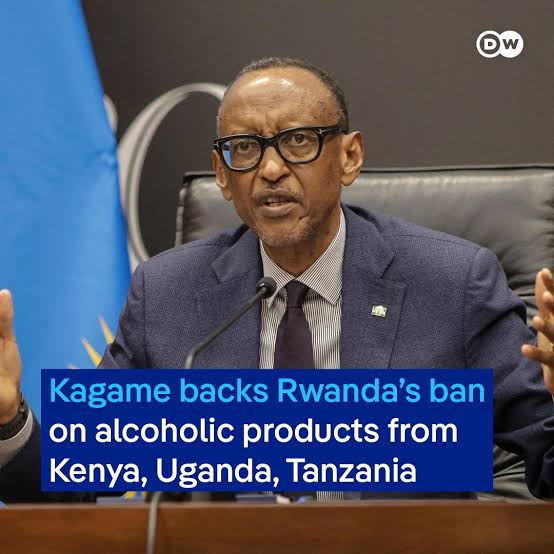 Rwanda: We Cannot Sit and Watch As Illicit Alcohol Kills People - Kagame
Ultimate Uganda
Rwanda: We Cannot Sit and Watch As Illicit Alcohol Kills People - Kagame
Ultimate Uganda
0 Comments