
Wetlands play critical roles in ecological balance, fishery sustainability
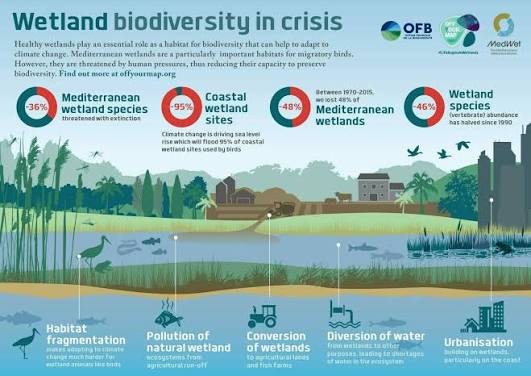

Mr Richster Amarh Amarfio, Vice President of the National Fisheries Association of Ghana (NAFAG), has underscored the role wetlands play in Ghana’s ecological balance and fisheries sustainability, warning that continued encroachment threatens livelihoods and food security.
Mr Amarfio, who is also the Country Director of Laif Fisheries Company Limited, said this when speaking with the Ghana News Agency (GNA) in commemoration of the World Wetlands Day.
He explained that wetlands were natural buffer zones, usually found around lagoons, mangroves, and low-lying coastal areas, which received excess water during the rainy season, periods of heavy precipitation, and high ocean tides.
According to him, wetlands acted as natural flood-control systems, absorbing excess water from the ocean and inland sources to prevent flooding of nearby communities.
“Wetlands are neither fully ocean nor fully community spaces. They are transitional ecosystems, often associated with mangroves, and they serve very important environmental functions,†he said.
Mr Amarfio added that traditional knowledge systems recognised the ecological value of wetlands long before modern environmental science. As a result, communities avoided building in wetland areas or engaging in activities that could compromise their integrity.
He said the unwritten rules, enforced through customs and taboos, helped protect wetlands for generations.
He however, lamented that many of Ghana’s wetlands had been destroyed through unchecked encroachment and development, citing several examples in the Greater Accra Region, including the Chorkor Lagoon, Sakumo Lagoon, the Gao and Laloi lagoons in Kpone, as well as the wetlands in La and Teshie, most of which had either been heavily degraded or completely lost.
Mr Amarfio expressed particular concern about the Sakumo Lagoon, a designated Ramsar site under the Ramsar Convention on Wetlands, which is internationally recognised for its importance as a habitat for migratory birds.
“Ramsar sites are supposed to be protected areas, especially because international birds migrate there during winter. Unfortunately, construction has gone right into these wetlands,†he said.
From a fisheries perspective, Mr Amarfio explained that wetlands, particularly mangrove ecosystems, served as critical spawning and nursery grounds for crustaceans such as crabs and shrimps, as well as juvenile fish species.
He recalled that in earlier years, mangrove-lined wetlands in places like Tema supported abundant crab populations, a resource that had now disappeared due to habitat loss.
“The absence of wetlands means the absence of crabs and other aquatic life we once depended on,†he noted.
He explained that many lagoons contain brackish water, a mixture of fresh and salt water, which is essential for certain fish species during different stages of their life cycle and destruction of lagoons and estuaries disrupts these cycles, preventing fish from spawning or juvenile fish from safely transitioning to the open ocean.
Drawing parallels with fish species such as salmon, he explained that although salmon are not native to Ghana, similar migratory and spawning patterns existed among some local species.
“When you destroy lagoons and estuaries, you break the life cycle of fish. They cannot spawn, juveniles cannot mature, and eventually stocks decline,†he said.
Mr Amarfio also highlighted how pollution from encroached wetlands affected the marine environment, saying plastics, waste, and untreated runoff entering lagoons eventually flow into the ocean, reducing oxygen levels in coastal waters and contributing to fish mortality.


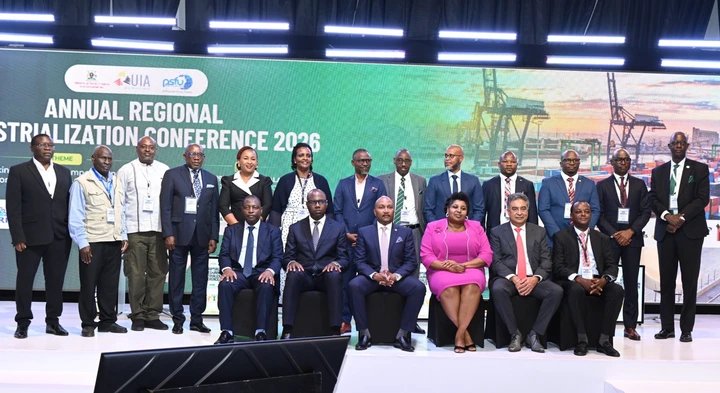 DRC opposition urges Tshisekedi to abandon constitutional changes
Ultimate Uganda
DRC opposition urges Tshisekedi to abandon constitutional changes
Ultimate Uganda
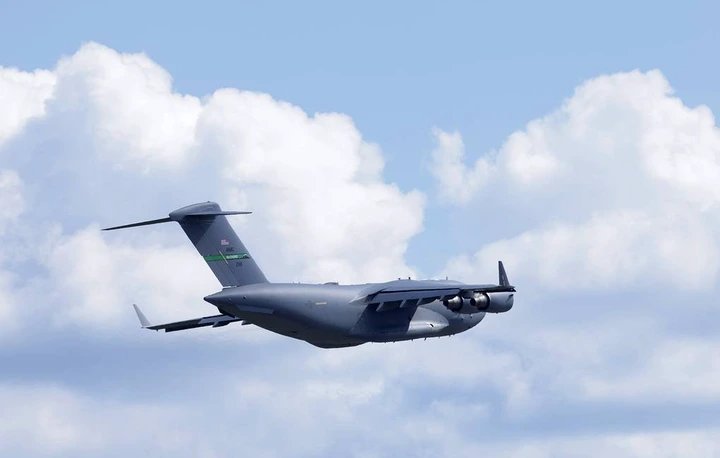 US military transport plane lands in Moscow
Ultimate Uganda
US military transport plane lands in Moscow
Ultimate Uganda
 Putin puppet slaps UK with terrifying 2-word warning over drone factories
Ultimate Uganda
Putin puppet slaps UK with terrifying 2-word warning over drone factories
Ultimate Uganda
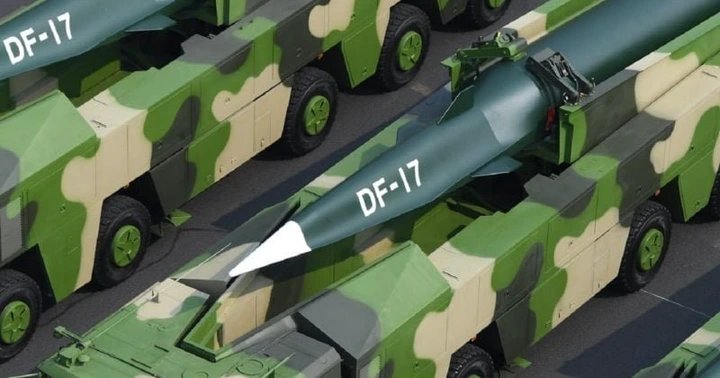 China develops hypersonic weapon to hunt US command aircraft thousands of miles away
Ultimate Uganda
China develops hypersonic weapon to hunt US command aircraft thousands of miles away
Ultimate Uganda
0 Comments