
In The Achieves: When President Museveni Explained What Impressed Him To Name Babalanda to His Cabinet
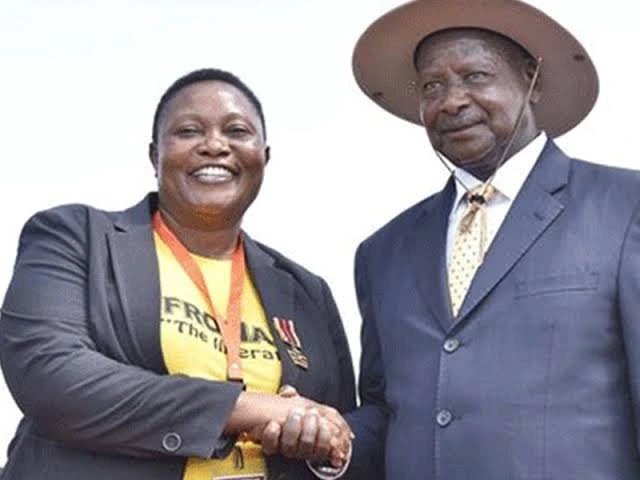

The corridors of power in Uganda have often been filled with whispers, rivalries, and the subtle tug-of-war for influence. Yet, amid the noise, President Yoweri Kaguta Museveni has always shown a remarkable ability to single out individuals whose inner fire and resilience speak louder than the chatter of detractors.
One such figure is Milly Babirye Babalanda, the Minister for the Presidency, whom Museveni affectionately christened his “fisherwoman.†Her appointment, though contested by some, has been consistently defended by the President with a passion that reveals the depth of value he attaches to her role.
When Museveni spoke at the National Leadership Institute (NALI) in Kyankwanzi on December 16, 2021, his words carried the weight of conviction and admiration. He recounted how he first encountered Babalanda in Busoga, where her fighting spirit caught his eye. “I am so happy with Babalanda. The force in her.
I love the fighting spirit of the Basoga women,†he said, smiling as the audience erupted in cheers. For Museveni, Babalanda was not merely another appointee; she was a symbol of the raw, unpolished strength that he believes drives transformation. He likened his choice to the biblical example of Jesus, who selected fishermen and fisherwomen as disciples, not scholars. In Museveni’s eyes, Babalanda’s lack of elite grooming was not a weakness but a testament to her authenticity and ability to connect with the grassroots.
This imagery of the “fisherwoman†is more than a metaphor—it is a deliberate framing of Babalanda as someone who casts her net wide, pulling in ideas, energies, and people to serve the nation. Museveni’s admiration for her is rooted in her ability to fight battles with quiet determination, to rise above the waves of criticism, and to remain steadfast in her mission.
He once remarked that he “got her while fighting in Busoga, and said, let me take her to Kampala so she can fight from there.†Such words paint a vivid picture of a leader who sees in Babalanda not just a minister, but a warrior whose battlefield has expanded from the local to the national stage.
It is no secret that her rise has unsettled some established figures, particularly in Busoga, where political rivalries simmer. Rebecca Kadaga, the Kamuli Woman MP, has openly accused Babalanda of incompetence and betrayal, claiming she introduced her to Museveni only for Babalanda to later undermine her. Yet, Museveni’s unwavering defense of his minister reveals a deeper truth: he values loyalty, energy, and the ability to deliver results over political theatrics. To him, Babalanda embodies the spirit of resilience that the NRM has always championed. Her detractors may see luck, but Museveni sees capacity, courage, and a rare fighting spirit.
The President’s praise has not been empty rhetoric. He has consistently highlighted how Babalanda’s positive energy has already begun to yield dividends. In his speeches, he has emphasized that she brings a refreshing dynamism to the Presidency, reinvigorating structures that had long been viewed as dormant. Her initiative to set up a desk to coordinate the work of Presidential Advisors, and her commitment to improving their welfare, are practical steps that Museveni has lauded as evidence of her effectiveness. For a group often criticized as inactive, Babalanda’s leadership has been a breath of fresh air, a tide that promises to lift boats long stuck in the mud.
Museveni’s language when speaking about Babalanda is telling. He does not merely describe her in administrative terms; he paints her in colors of passion, struggle, and triumph. He speaks of her “force,†her “fighting spirit,†and her ability to “do wonders.†These are not the words of a leader defending a weak appointee; they are the words of a man who has found in her a kindred spirit, someone who mirrors his own journey of rising from the trenches to the pinnacle of power. In a political landscape where many seek comfort in titles and privileges, Babalanda is portrayed by Museveni as a fisherwoman who never forgets the waters from which she came.
Her own words at the Kyankwanzi retreat echoed this spirit. She urged Presidential Advisors to research, read, and remain active in their roles, reminding them that their counsel to the President must be wise and viable. She reaffirmed her commitment to their welfare, working with stakeholders in finance and public service to address their needs. In doing so, she positioned herself not just as a minister, but as a servant-leader, one who understands that the strength of the Presidency lies in the collective energy of its advisors and assistants.
The imagery of Babalanda as a fisherwoman resonates deeply in Uganda’s political imagination. It conjures visions of a woman standing at the edge of vast waters, casting her net with determination, pulling in not just fish but possibilities, hopes, and dreams. Museveni’s defense of her is, therefore, not just about one minister—it is about affirming a philosophy of leadership that values grit over glamour, substance over showmanship. In her, he sees the embodiment of the NRM’s ethos: ordinary people rising to do extraordinary things.
As forces continue to question her efficiency, Museveni’s voice remains a steady anchor. His repeated affirmations of her capability are a reminder that leadership is not about appeasing rivals but about recognizing and nurturing talent where it exists. Babalanda’s journey from Busoga to the heart of the Presidency is a testament to the President’s eye for fighters, for those who can withstand storms and still cast their nets with hope. And in the grand narrative of Uganda’s governance, she stands as a fisherwoman whose catch is not measured in fish, but in the trust of her appointing authority and the dividends of her service to the nation.


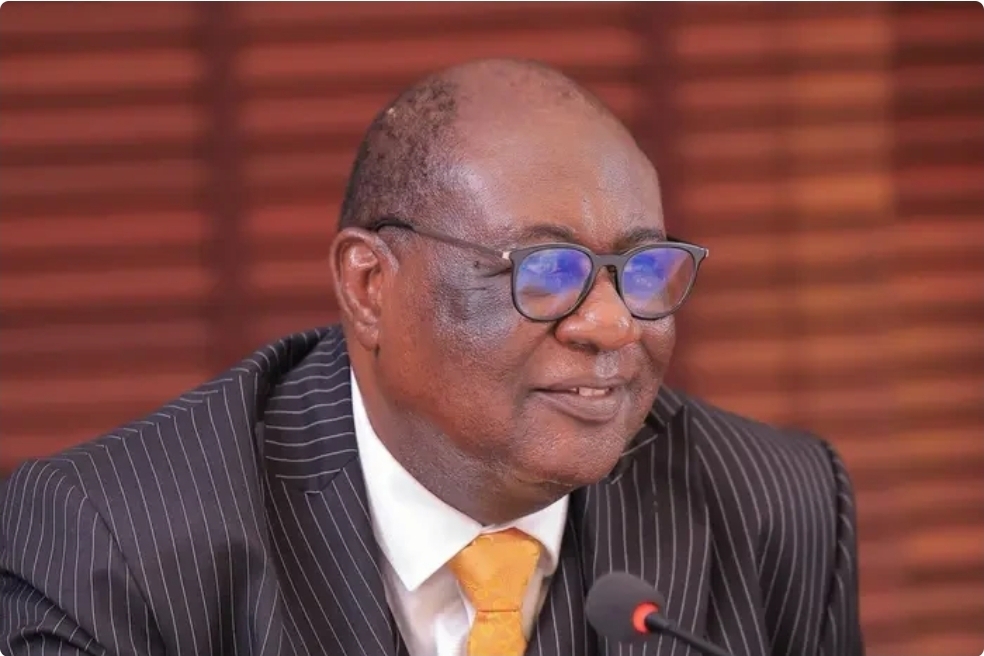 Government will not gazette Kijanangoma as King of Tooro for now - Attorney General insists
Ultimate Uganda
Government will not gazette Kijanangoma as King of Tooro for now - Attorney General insists
Ultimate Uganda
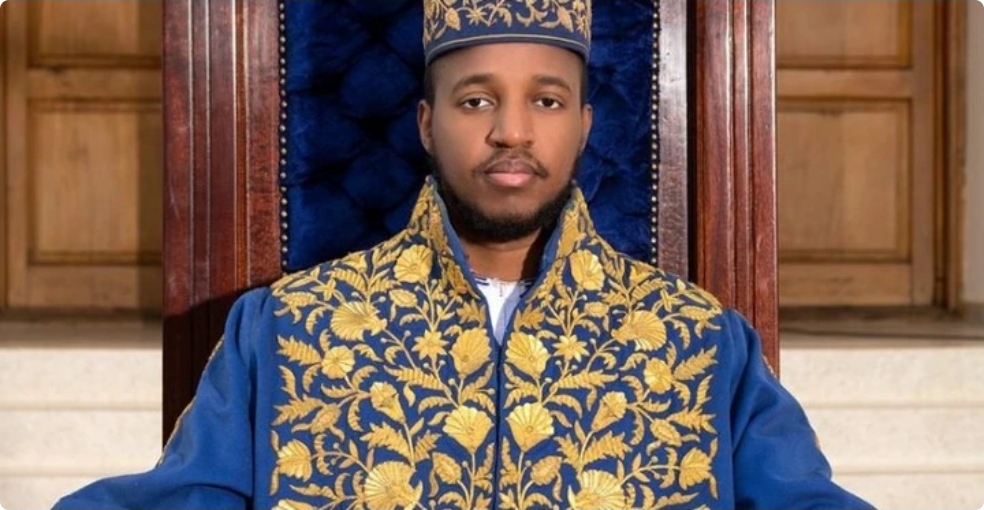 King Oyo’s Body to Arrive Thursday
Ultimate Uganda
King Oyo’s Body to Arrive Thursday
Ultimate Uganda
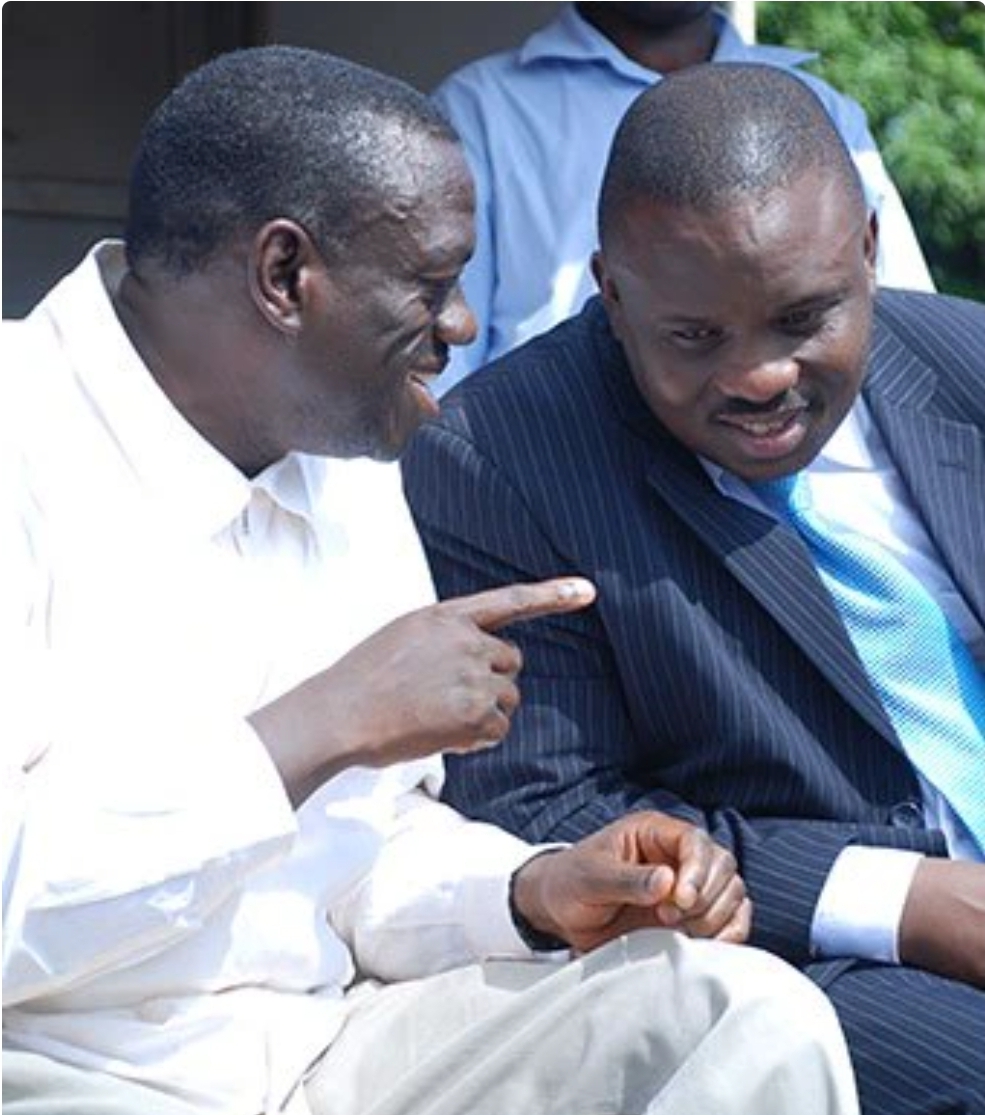 Besigye, Lukwago expected to meet Gen. Salim Saleh today at Kapeeke
Ultimate Uganda
Besigye, Lukwago expected to meet Gen. Salim Saleh today at Kapeeke
Ultimate Uganda
 Rwabwogo Advised to ‘Eat His Bishop’ As MK Prepares to Enter State H’se: PREZ MUSEVENI ON HIS WAY OUT
Ultimate Uganda
Rwabwogo Advised to ‘Eat His Bishop’ As MK Prepares to Enter State H’se: PREZ MUSEVENI ON HIS WAY OUT
Ultimate Uganda
0 Comments