
Spiro secures $50 million to expand electric bike network in Uganda

KAMPALA — Spiro, an electric mobility company with operations in Uganda, has secured $50 million in debt funding to expand its battery-swapping infrastructure and electric vehicle fleet across Africa.
The funding round, announced Tuesday, included participation from Afreximbank and two new investors, Nithio and the Africa Go Green Fund, which is managed by Cygnum Capital. This capital injection follows a $100 million investment in October 2025, which stands as the largest electric mobility investment on the continent.
Spiro currently operates in six countries, including Uganda, Kenya, Rwanda, Nigeria, Benin and Togo. The company has deployed more than 80,000 electric motorcycles and established a network of more than 2,500 battery-swapping stations.
The new capital will support the expansion of this swapping network and advance the company’s technology platform, which includes automated battery swaps, fast charging and the integration of renewable energy.
“Demand for Spiro’s innovative battery swapping infrastructure continues to grow and is reshaping mobility in Africa by providing reliable, clean transportation options,†said Kaushik Burman, CEO of Spiro.
In Uganda and across the region, the shift toward electric motorcycles is seen as a critical step in reducing urban pollution and lowering operating costs for riders. To date, Spiro reports its fleet has enabled more than 1 billion carbon-free kilometers traveled and completed more than 30 million battery swaps.
Gagan Gupta, the founder of Spiro, said the funding would help bring affordable clean energy and mobility to more Africans while building a resilient green energy ecosystem.
The investment also highlights a growing interest from pan-African financial institutions in sustainable trade. Oluranti Doherty, managing director of export development at Afreximbank, said supporting the company is central to the bank’s vision of a green industrial value chain.
Spiro officials said they are also conducting pilot programs in Cameroon and Tanzania as part of a broader strategy to scale clean mobility infrastructure across the continent.


 Starlink goes live in Uganda; price comparisons against MTN, Airtel
Ultimate Uganda
Starlink goes live in Uganda; price comparisons against MTN, Airtel
Ultimate Uganda
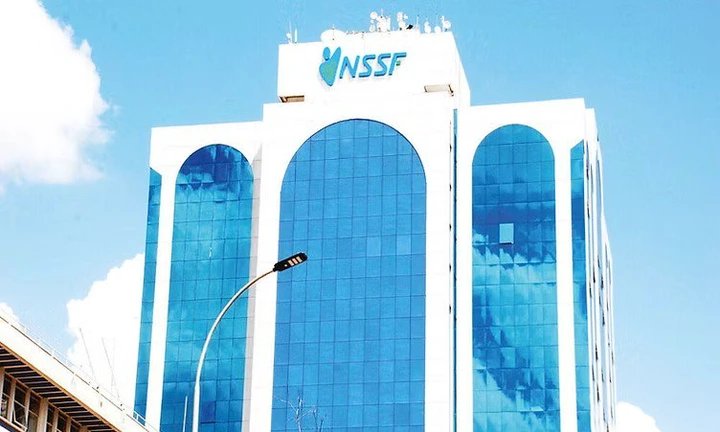 NSSF sets September 24 for Annual Members Meeting as savers await interest rate declaration
Ultimate Uganda
NSSF sets September 24 for Annual Members Meeting as savers await interest rate declaration
Ultimate Uganda
 Boda boda riders launch e-commerce, digital loans platform
Ultimate Uganda
Boda boda riders launch e-commerce, digital loans platform
Ultimate Uganda
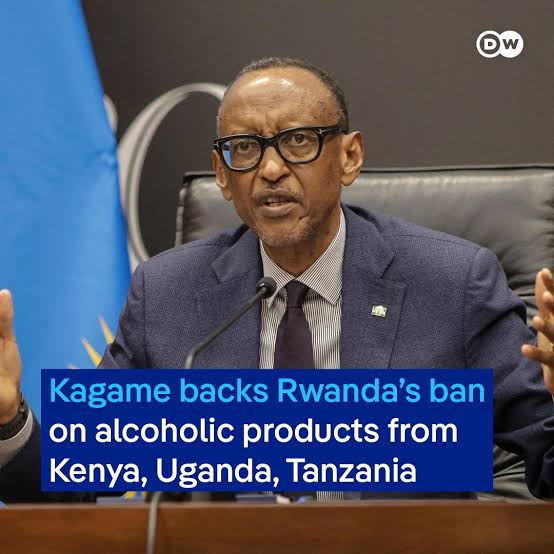 Rwanda: We Cannot Sit and Watch As Illicit Alcohol Kills People - Kagame
Ultimate Uganda
Rwanda: We Cannot Sit and Watch As Illicit Alcohol Kills People - Kagame
Ultimate Uganda
0 Comments