
Saudi Arabia, Qatar, UAE Condemn Iranian Retaliatory Strikes After U.S. and Israeli Attacks
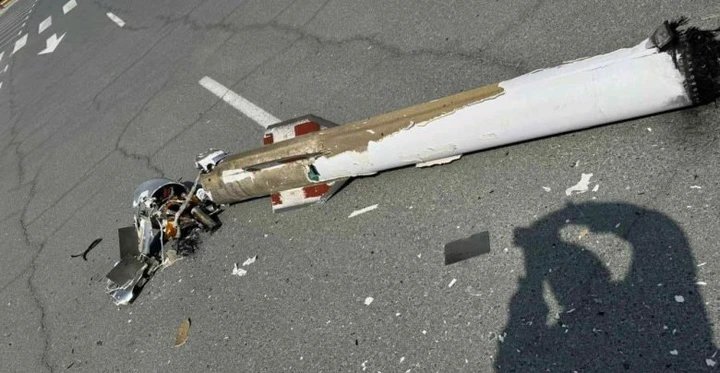

Debris of intercepted Iranian missile in UAE.
Several Middle Eastern countries hosting United States military bases have strongly condemned Iran’s retaliatory missile strikes, describing them as blatant violations of their sovereignty and international law.
Iran launched the strikes on U.S. military installations in Saudi Arabia, the United Arab Emirates, Qatar, Jordan, Kuwait, Bahrain, and Iraq, in response to a joint U.S. and Israeli military campaign against Iranian targets on Saturday.
Saudi Arabia Warns of “Grave Consequencesâ€
Saudi Arabia issued a sharply worded statement warning Iran against further attacks, saying continued aggression would have serious consequences for regional stability.
“The Kingdom of Saudi Arabia condemns and denounces in the strongest terms the treacherous Iranian aggression and the blatant violation of the sovereignty of the United Arab Emirates, the Kingdom of Bahrain, the State of Qatar, the State of Kuwait, and the Hashemite Kingdom of Jordan,†the Saudi Ministry of Foreign Affairs said.
The Kingdom affirmed its full solidarity with the affected states and pledged to place “all its capabilities at their disposal,†while warning of the “grave consequences†of continued violations of sovereignty and international law.
UAE Intercepts Missiles, Reports Casualty
The United Arab Emirates said its air defense systems successfully intercepted several Iranian ballistic missiles targeting a U.S. base in the country.
Header advertisement
In a statement, the UAE Ministry of Defence said debris from the intercepted missiles fell in a residential area of Abu Dhabi, causing material damage and killing one person of Asian nationality.
The ministry condemned the attack as a “dangerous escalation,†stressing that targeting civilian areas and national institutions violates international law. It added that the UAE reserves the right to respond in a manner that protects its sovereignty, security, and national interests.
Qatar Condemns Strike on Doha
In Qatar, Iranian missiles struck the capital Doha, drawing strong condemnation from the Ministry of Foreign Affairs.
“The State of Qatar expresses its strongest condemnation of the targeting of Qatari territories with Iranian ballistic missiles, considering it a flagrant violation of its national sovereignty and an unacceptable escalation,†the ministry said.
Qatar added that it reserves the right to respond in accordance with international law and expressed full solidarity with Kuwait, the UAE, Jordan, and Bahrain.
Kuwait Issues Public Safety Warning
Kuwait urged citizens and residents to avoid debris resulting from missile interceptions, warning against touching any suspicious objects and advising the public to immediately report them to authorities.
Oman Calls for Ceasefire, UN Action
Oman, which has been mediating talks between Iran and the United States, expressed “profound regret†over the U.S. and Israeli strikes on Iran, warning that the conflict could spiral into an uncontrollable regional war.
The Sultanate described the attacks as contrary to international law and called for an immediate halt to military operations, urging the UN Security Council to convene an emergency session to impose a ceasefire.
Background to the Escalation
The conflict comes amid ongoing tensions over Iran’s nuclear and ballistic missile programs, even as indirect talks have been underway through Omani mediation.
According to diplomatic sources, Iran had indicated willingness to limit its nuclear program, surrender highly enriched uranium, and allow international inspections, including by U.S. inspectors. However, Tehran has consistently refused to abandon its ballistic missile program, which it considers vital to national defense.
Iran had earlier warned that any U.S. or Israeli military action would trigger a wider regional conflict.
The escalation also follows deadly anti-government protests across Iran in recent months, driven by economic hardship linked to long-standing Western sanctions. Iranian security forces, including the Islamic Revolutionary Guard Corps (IRGC), violently suppressed the protests.
U.S. President Donald Trump has publicly urged Iranians to intensify demonstrations, while Iranian authorities accuse Washington of fueling unrest.
Rising Regional Tensions
With multiple countries now drawn into the conflict and missiles flying across borders, analysts warn that the Middle East faces one of its most dangerous moments in years, as calls grow for urgent international intervention to prevent a broader war.


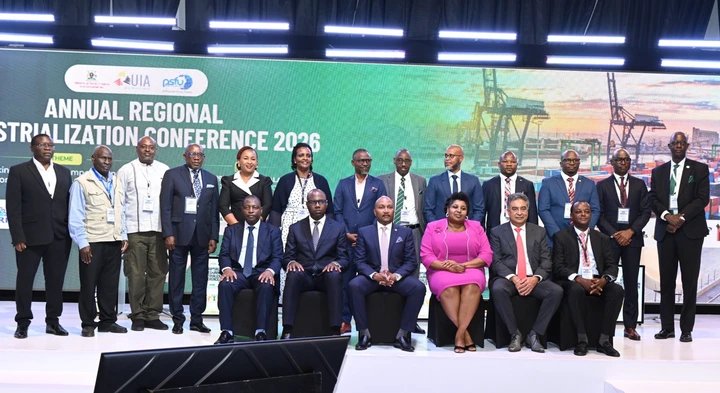 DRC opposition urges Tshisekedi to abandon constitutional changes
Ultimate Uganda
DRC opposition urges Tshisekedi to abandon constitutional changes
Ultimate Uganda
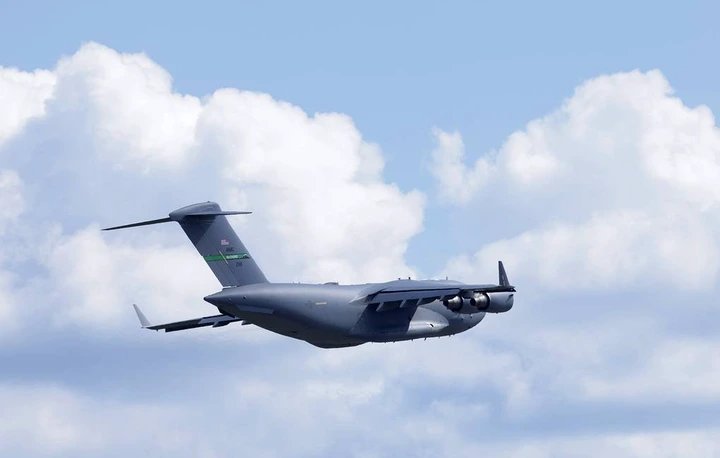 US military transport plane lands in Moscow
Ultimate Uganda
US military transport plane lands in Moscow
Ultimate Uganda
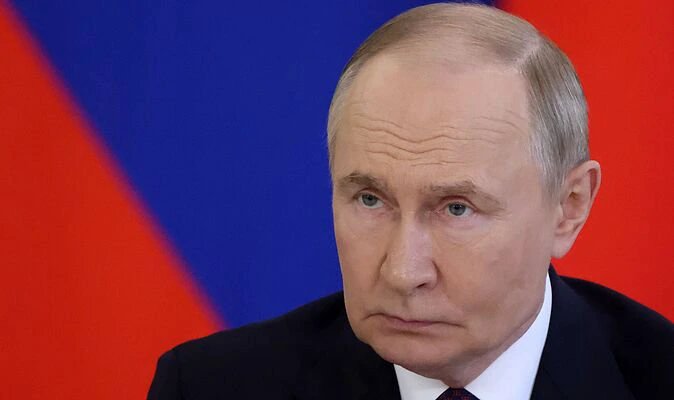 Putin puppet slaps UK with terrifying 2-word warning over drone factories
Ultimate Uganda
Putin puppet slaps UK with terrifying 2-word warning over drone factories
Ultimate Uganda
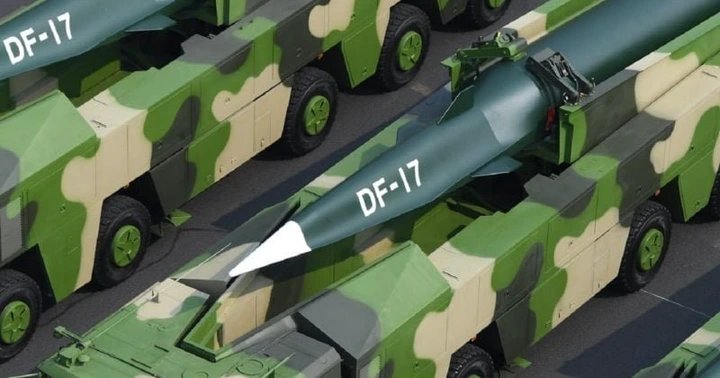 China develops hypersonic weapon to hunt US command aircraft thousands of miles away
Ultimate Uganda
China develops hypersonic weapon to hunt US command aircraft thousands of miles away
Ultimate Uganda
0 Comments