
Iranian Mullahs Boycott Meeting to Anoint Khamenei’s Son, Will Pick New Supreme Leader Soon
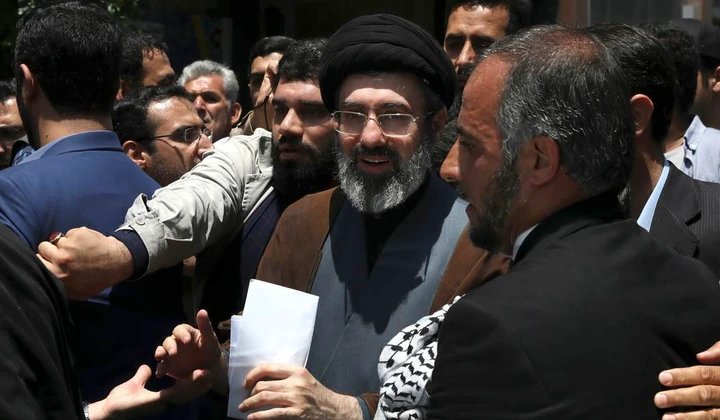

Just a few days ago, it looked as if the Ayatollah Ali Khamenei’s son, Mojtaba Khamenei, was set to succeed his father as supreme leader of the Islamic Republic of Iran. It was an odd choice, as Mojtaba Khamenei is not an ayatollah, that is, one of the highest ranks of Shi’ite Muslim clergy; he is a Hojjat al-Islam, the immediate lower rank. This is a problem, as the supreme leader is supposed to come from the top ranks of the clergy, not the second line. Also, many of the mullahs objected to the fact that Mojtaba is the son of the slain supreme leader, for the Islamic Republic is supposed to be a meritocracy, not a hereditary monarchy.
And so, according to the Iranian dissident news site Iran International, “the Assembly of Experts' meeting to announce Mojtaba Khamenei as the new leader was held on Saturday,†but at least fourteen of the members of that august body boycotted the meeting. Mojtaba Khamenei was not announced as the new supreme leader, and it’s back to the drawing board.
Making matters even worse, Saturday’s abortive meeting to name Mojtaba Khamenei the new supreme leader followed a meeting of the Assembly of Experts on the previous day, which Iran International says convened in order to “present the candidate favored by the Revolutionary Guard,†but which also ended inconclusively “due to concerns over a possible US and Israeli attack.â€
Ayatollah Hossein Mozaffari, whom Iran International identifies as “a member of Iran’s Assembly of Experts,†maintained an outward show of confidence despite everything that has been going wrong for the mullahs lately. Mozaffari “expressed hope that a session to choose the country’s next supreme leader will take place within the next 24 hours, while stressing that no official meeting has yet been held and no decision has been made.â€
It’s understandable that the mullahs would be wary about holding a meeting, any kind of meeting at all, and eager to adjourn. Fox News stated last Tuesday that “Israeli forces struck an Iranian Supreme Council gathering on Tuesday as the group was meeting to choose a successor to the late Ayatollah Ali Khamenei.†According to Fox News’ Trey Yingst, “They just targeted the meeting in Tehran where what’s left of the leadership was gathering to choose a new Supreme Leader.â€
The problem confronting the opponents of Mojtaba Khamenei’s candidacy for supreme leader is that his very weaknesses are what put him in the running for the top spot in the first place: yes, he is the Ayatollah Khamenei’s son, and Iran is not a hereditary monarchy, but it is precisely Mojtaba’s link to the slain leader that gives him gravitas. He isn’t an ayatollah, but in a country where the people hate the ruling clerics with a passionate intensity, the fact that he has not been among the senior clerical ranks could conceivably work in Mojtaba’s favor.
Above all, however, Mojtaba Khamenei is in the running to be supreme leader because he is brutal, and strongly favors the iron fist in dealing with dissidents and protesters. The last shah, Mohammad Reza Pahlavi, whom the Islamic revolutionaries deposed in 1979, was hated for his repressive measures, but as protests engulfed his regime, he responded with conciliatory measures that he hoped would placate those who wanted to end his rule.
Instead, they just saw him as weak and hounded him into exile. Mojtaba Khamenei appears to have absorbed the lesson of all that, and is not disposed to offer anything to the protestors but more bloodshed. That approach appeals to many of the mullahs, to the degree that whoever becomes the next supreme leader is likely to be even more oppressive than Mojtaba’s father ever contemplated being.
All this jockeying for power is taking place, meanwhile, against the backdrop of continuing U.S. and Israeli strikes, plus ongoing opposition from the courageous and persevering Iranian people.
The next supreme leader, whoever he turns out to be, could well find his tenure in office to be extremely brief. The Iranian people have had enough, and as long as the U.S. and Israel keeps the pressure on the leaders of the Islamic Republic, the people have more of a chance for freedom than they have had throughout the 47-year history of the Islamic regime. All regimes come to an end eventually, and most of the Iranian people are hoping that the demise of the one that so cruelly oppresses them now will come sooner rather than later.


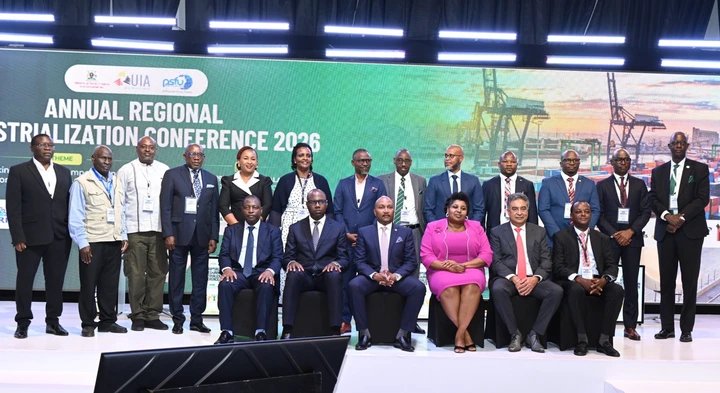 DRC opposition urges Tshisekedi to abandon constitutional changes
Ultimate Uganda
DRC opposition urges Tshisekedi to abandon constitutional changes
Ultimate Uganda
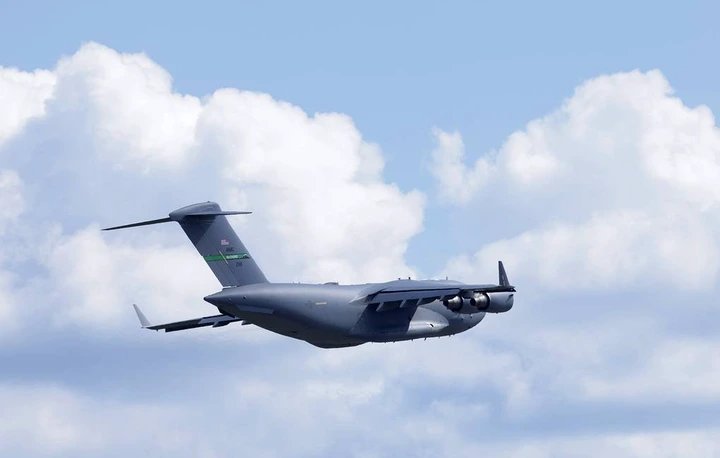 US military transport plane lands in Moscow
Ultimate Uganda
US military transport plane lands in Moscow
Ultimate Uganda
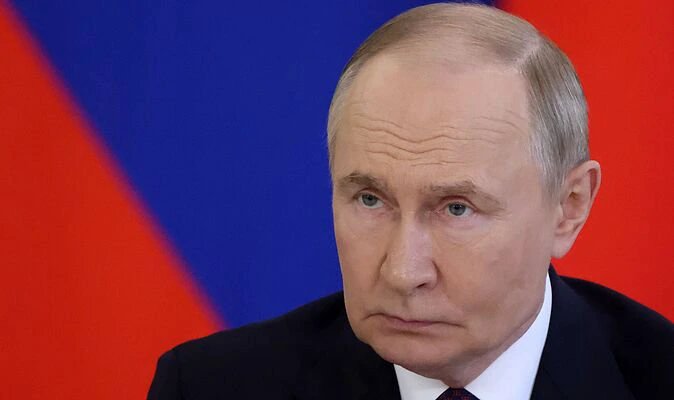 Putin puppet slaps UK with terrifying 2-word warning over drone factories
Ultimate Uganda
Putin puppet slaps UK with terrifying 2-word warning over drone factories
Ultimate Uganda
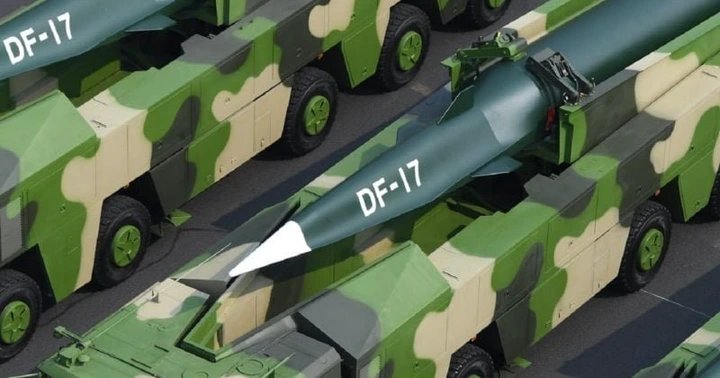 China develops hypersonic weapon to hunt US command aircraft thousands of miles away
Ultimate Uganda
China develops hypersonic weapon to hunt US command aircraft thousands of miles away
Ultimate Uganda
0 Comments