
Medical Students Association Rejects Government Policy on Internship
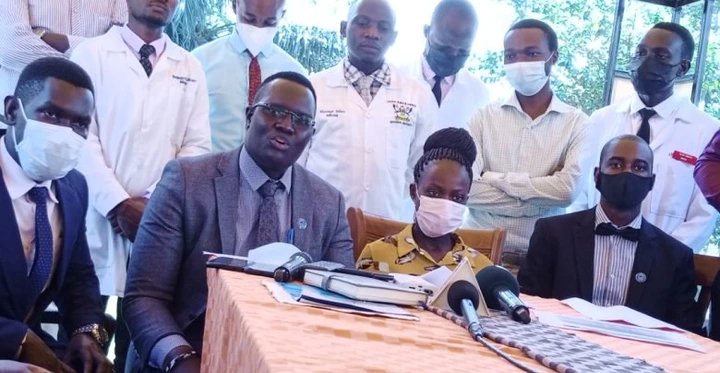

Medical Interns addressing the press in Kampala in the past
The Federation of Uganda Medical Students’ Associations (FUMSA) has firmly rejected a new government policy that requires medical students to complete a one-year internship before graduating, effectively extending the Bachelor of Medicine and Bachelor of Surgery (MBChB) program from five to six years.
The policy, unveiled by the Ministries of Health and Education is set to take effect in July 2026. It mandates embedding the mandatory internship—traditionally a post-graduation supervised clinical phase—into the academic curriculum.
In an official statement signed by President Nkwasiibwe Amon, FUMSA described the abrupt change as “an act of injustice†for current students, citing logistical challenges, lack of consultation, and financial risks.
FUMSA expressed deep concern over funding uncertainties: “There is growing uncertainty regarding the financial implications of incorporating internship before graduation. Internship has traditionally been supported through government allowances extended to graduates serving as medical interns. Under the proposed framework, where interns may technically remain classified as students, there is understandable concern about whether these allowances will remain guaranteed, adequately funded, and protected from future policy shifts.â€
The association warned that reclassifying interns as students could enable the withdrawal of allowances, stating: “Medical students are deeply worried that redefining interns as students rather than graduates could inadvertently create a pathway for altering or withdrawing financial support under the justification that they are still undergoing academic training rather than providing essential clinical service.â€
Additional worries include potential tuition fees for the extra year and disruptions to sponsorship agreements. “Many students are sponsored by government schemes, private institutions, NGOs, and individual benefactors who committed to funding a five-year course of study. An unanticipated sixth year may not be covered under existing sponsorship agreements, potentially leaving students financially stranded through no fault of their own.â€
FUMSA categorically rejected applying the policy to continuing students, calling the July 2026 timeline “logistically unrealistic†and demanding “clarity, transparency, and legally binding assurances on funding and student financial protection.â€
The statement posed pointed questions to stakeholders: “What specific problem is this reform intended to solve? … Will internship allowances remain protected under law? Will students be required to pay tuition during the internship year? How will sponsorship agreements be safeguarded?â€
Header advertisement
FUMSA appealed for a halt to rushed implementation, structured negotiations, and student representation in deliberations. “We stand ready to engage constructively in developing reforms that genuinely address gaps in training without destabilizing students, weakening professional safeguards, or imposing unforeseen financial burdens.â€
At a time when Uganda grapples with a low doctor-patient ratio, FUMSA emphasized that reforms should bolster the medical workforce pipeline, not create barriers for aspiring doctors.


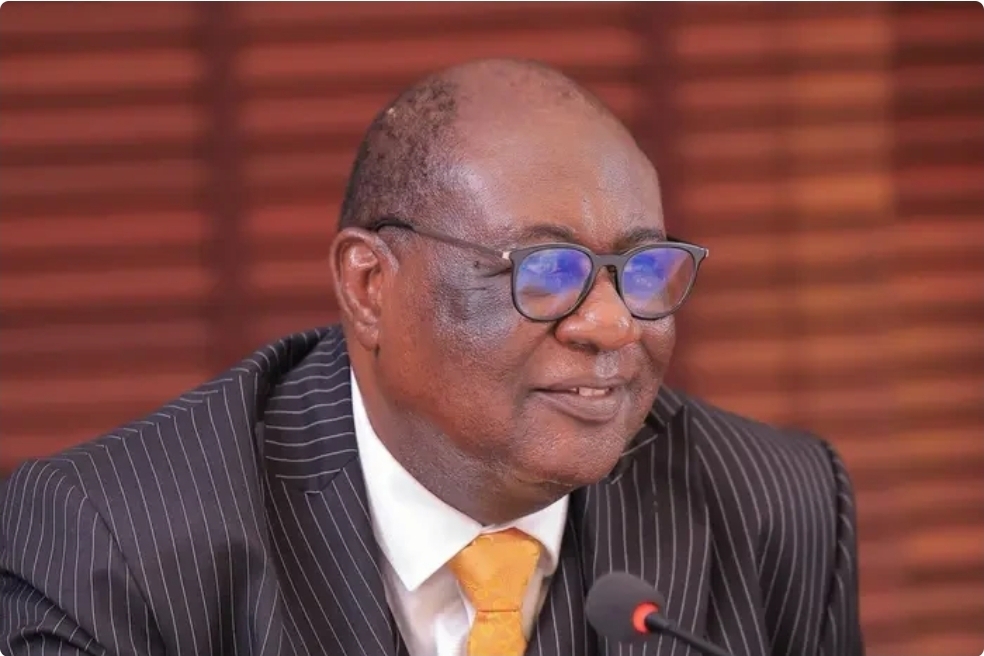 Government will not gazette Kijanangoma as King of Tooro for now - Attorney General insists
Ultimate Uganda
Government will not gazette Kijanangoma as King of Tooro for now - Attorney General insists
Ultimate Uganda
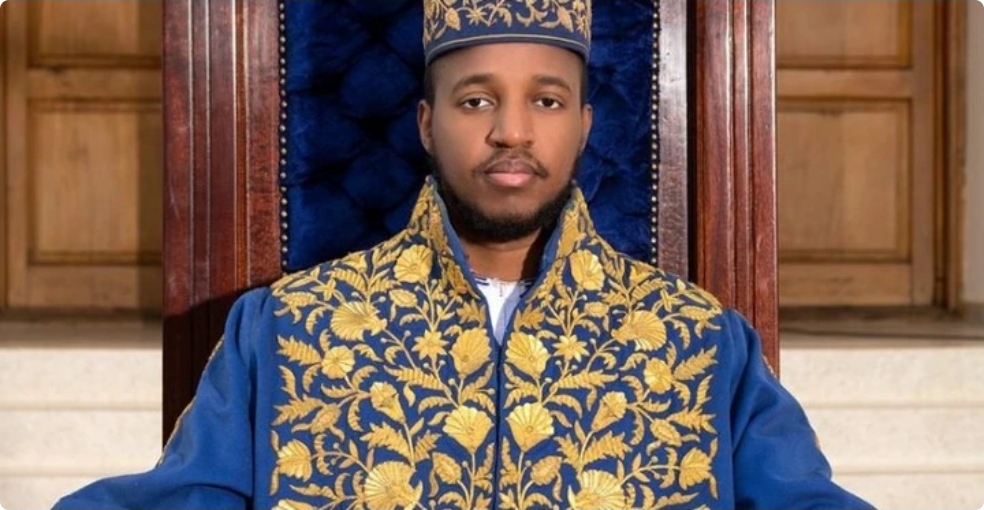 King Oyo’s Body to Arrive Thursday
Ultimate Uganda
King Oyo’s Body to Arrive Thursday
Ultimate Uganda
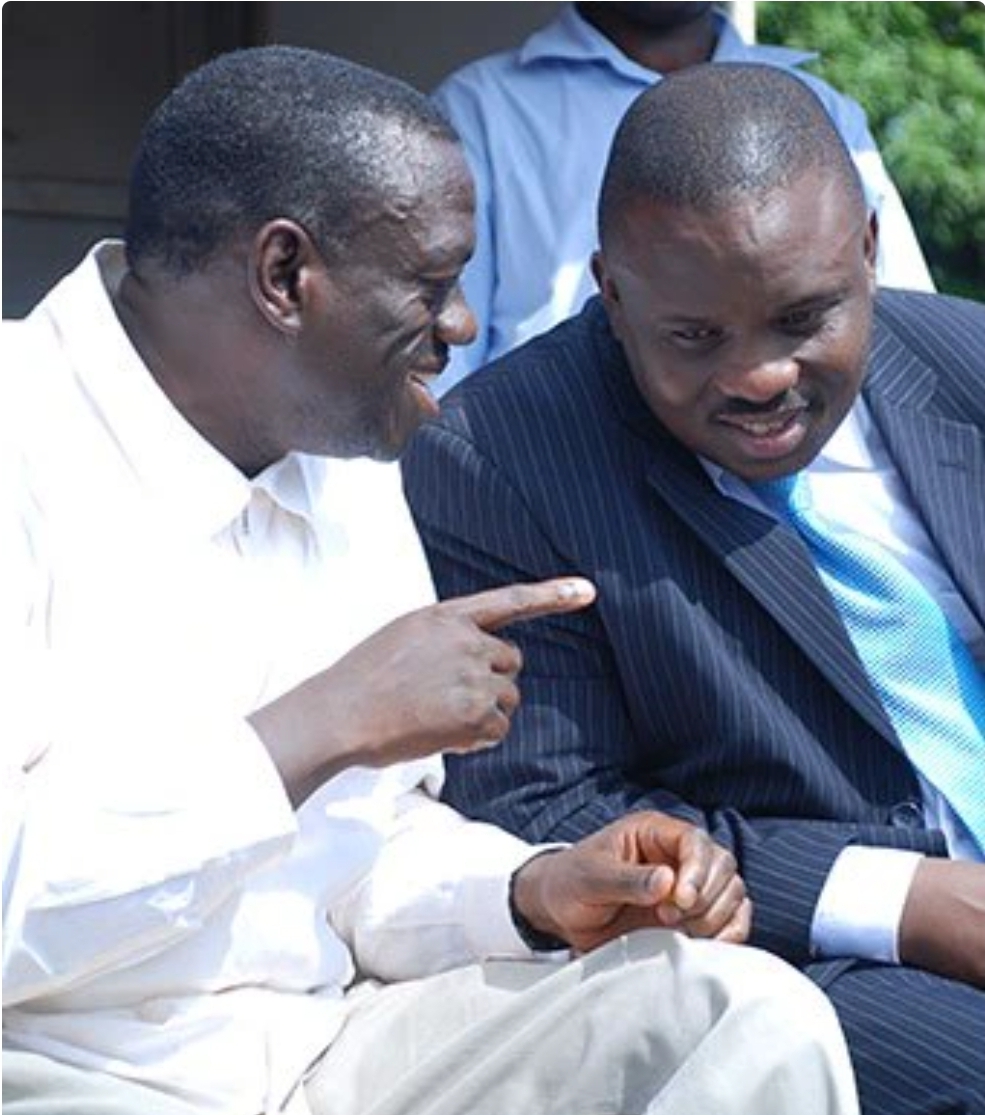 Besigye, Lukwago expected to meet Gen. Salim Saleh today at Kapeeke
Ultimate Uganda
Besigye, Lukwago expected to meet Gen. Salim Saleh today at Kapeeke
Ultimate Uganda
 Rwabwogo Advised to ‘Eat His Bishop’ As MK Prepares to Enter State H’se: PREZ MUSEVENI ON HIS WAY OUT
Ultimate Uganda
Rwabwogo Advised to ‘Eat His Bishop’ As MK Prepares to Enter State H’se: PREZ MUSEVENI ON HIS WAY OUT
Ultimate Uganda
0 Comments