
Uganda targets Middle East liquidity for SGR construction
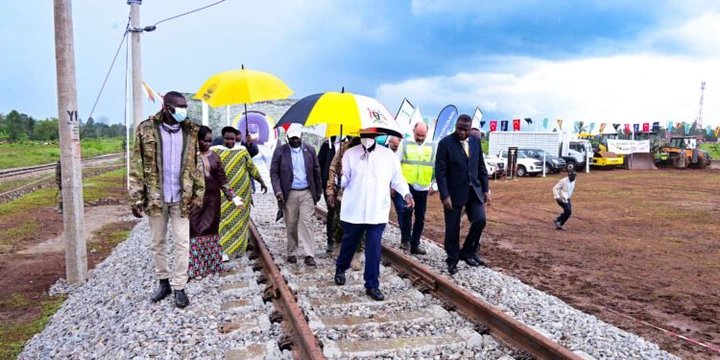

President Museveni accompanied by VP Alupo, Ministers Katumba Oboth and Byabakama walk through a demonstration after laying the foundation for the construction of Malaba Kampala SGR line by Yapi Merkezi
KAMPALA, Uganda — The Ugandan government is moving to secure €405 million through an innovative Shari’ah-compliant bond to fund the development of its Standard Gauge Railway, marking a significant shift away from traditional Western and Chinese credit lines.
The finance ministry has commenced consultations to issue a sovereign Sukuk, a financial instrument that allows investors to hold beneficial ownership in the project’s assets rather than simply lending money for interest. The deal is expected to cover 15 percent of the total cost for the 273km railway link between Malaba and Kampala.
The decision to adopt this asset-backed model comes as traditional multilateral lending begins to tighten. By opting for a seven-year Sukuk with an annual rental rate of 10.5 percent, Uganda is intentionally targeting the $4.9 trillion global Islamic finance market, specifically seeking liquidity from sovereign wealth funds in the Middle East.
To ensure broad appeal, the instrument will be denominated in Uganda shillings, US dollars, and Euros. Unlike conventional government debt, the Sukuk will be supervised by a Sharia Supervisory Board and managed through a special purpose vehicle holding tangible assets equivalent to the €405 million sought. This structure is designed to provide a layer of transparency and ring-fencing for the infrastructure project.
The rail project was rebooted recently following the 2022 termination of a contract with a Chinese firm for non-performance. Turkish contractor Yapi Merkezi has since been brought on board for the Malaba-Kampala leg, which is valued at approximately €2.7 billion.
Analysts suggest the move reflects a growing political pragmatism in Kampala. As the country looks to diversify its sovereign funding toolkit, the success of this issuance will be a critical test of Uganda’s ability to attract non-traditional capital for large-scale infrastructure.
The legal framework for such a deal was established by the 2016 amendment of the Financial Institutions Act, which integrated Islamic banking and insurance into the domestic economy. By following a model previously utilized by the United Kingdom and Nigeria, Uganda is signaling its evolution toward a more sophisticated and multi-polar financing strategy.


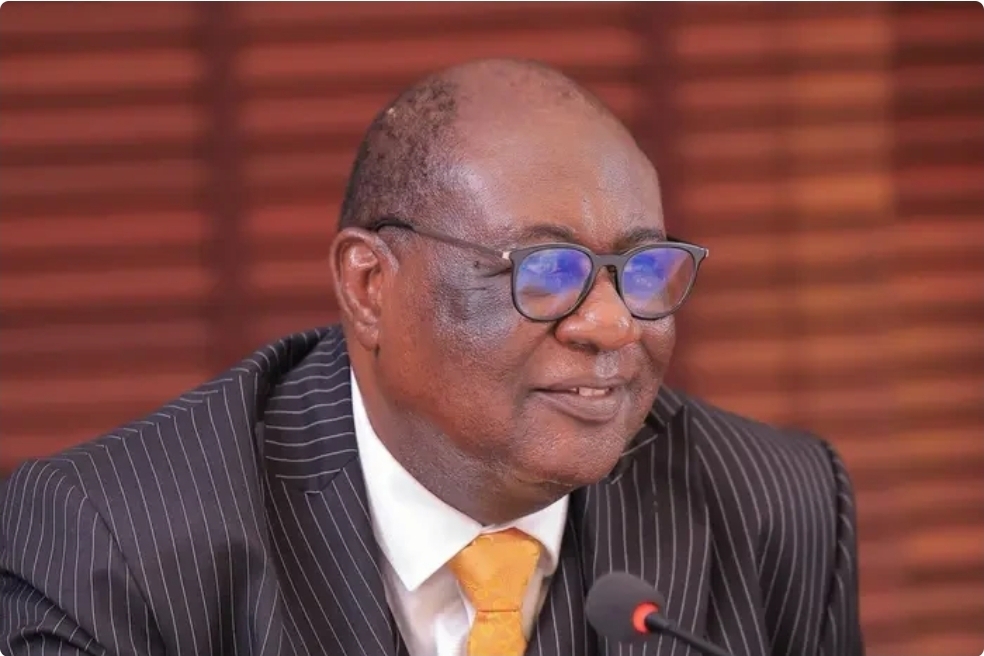 Government will not gazette Kijanangoma as King of Tooro for now - Attorney General insists
Ultimate Uganda
Government will not gazette Kijanangoma as King of Tooro for now - Attorney General insists
Ultimate Uganda
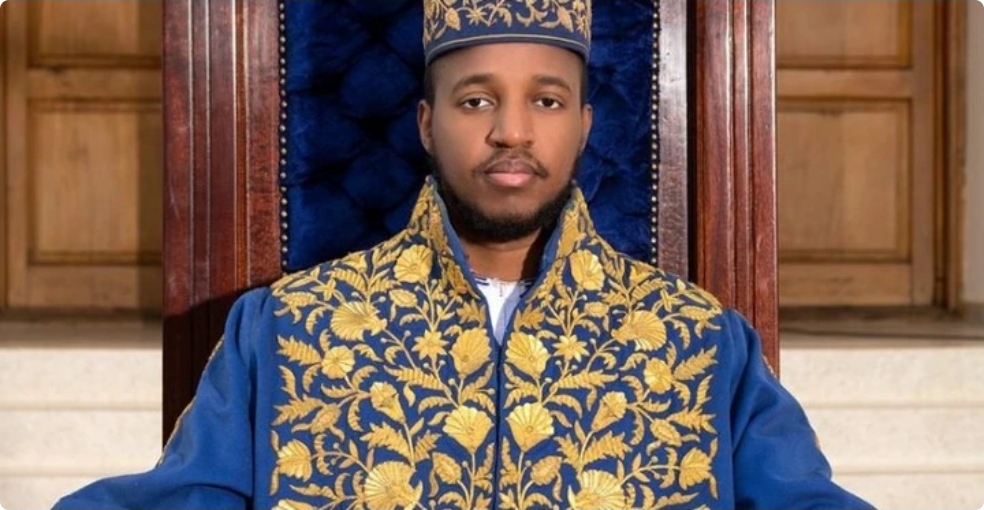 King Oyo’s Body to Arrive Thursday
Ultimate Uganda
King Oyo’s Body to Arrive Thursday
Ultimate Uganda
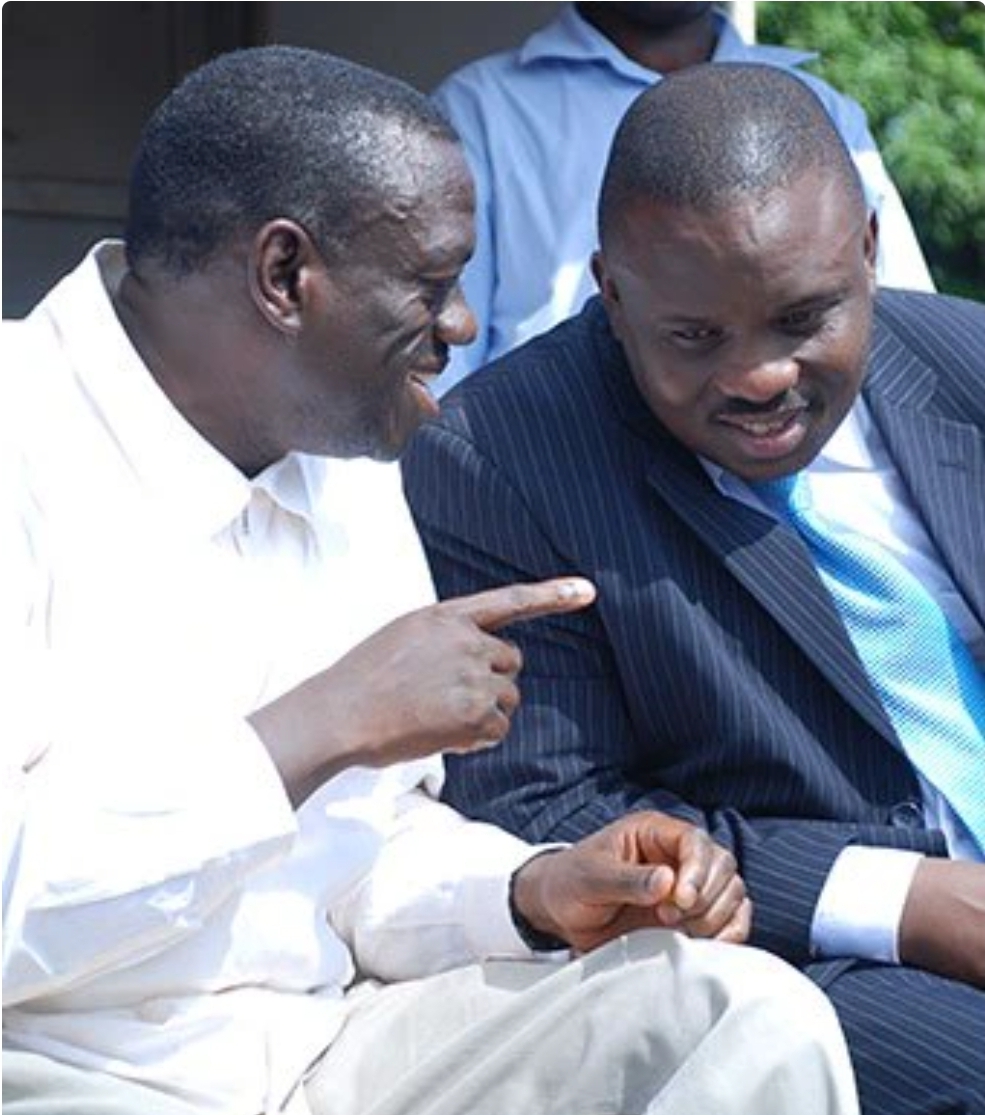 Besigye, Lukwago expected to meet Gen. Salim Saleh today at Kapeeke
Ultimate Uganda
Besigye, Lukwago expected to meet Gen. Salim Saleh today at Kapeeke
Ultimate Uganda
 Rwabwogo Advised to ‘Eat His Bishop’ As MK Prepares to Enter State H’se: PREZ MUSEVENI ON HIS WAY OUT
Ultimate Uganda
Rwabwogo Advised to ‘Eat His Bishop’ As MK Prepares to Enter State H’se: PREZ MUSEVENI ON HIS WAY OUT
Ultimate Uganda
0 Comments