
Winnie Kizza Defends Bobi Wine’s U.S. Outreach
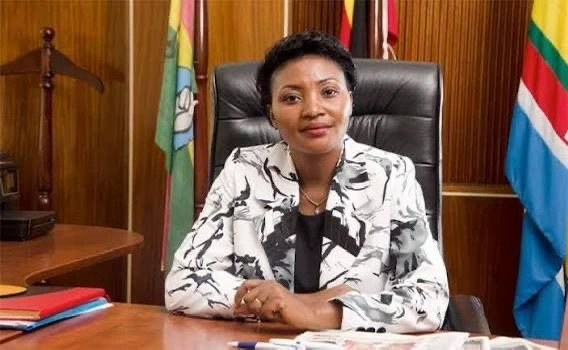

Former Leader of Opposition Winnie Kiiza has defended opposition leader Robert Kyagulanyi over his recent engagements with United States officials, arguing that seeking international support is consistent with efforts to advance accountability and democratic governance.
In a statement, Kiiza criticised individuals she described as “self-proclaimed pan-Africanists†for attacking Kyagulanyi’s outreach on Capitol Hill, where the opposition figure has been engaging lawmakers and policy actors. Critics have maintained that African political challenges should be addressed internally without foreign involvement.
However, Kiiza said such arguments overlook Uganda’s long-standing reliance on international partnerships under the government of President Yoweri Museveni, particularly with the United States.
“For several decades, the government has depended significantly on U.S. financial assistance, military cooperation and strategic partnerships,†she said, noting that development aid, security support and trade arrangements have played a key role in shaping the country’s political and economic landscape.
Kiiza argued that Kyagulanyi’s engagement with U.S. authorities should not be interpreted as inviting foreign intervention in Uganda’s domestic affairs. Instead, she said the opposition leader is calling for an end to what he views as unconditional support to governments accused of human rights violations.
“Hon. Kyagulanyi is not requesting that the U.S. assumes responsibility for resolving Uganda’s challenges,†she said. “Rather, he is urging Washington to reconsider policies that may enable violations of human rights and democratic principles through unchecked aid, military assistance and diplomatic backing.â€
She added that raising concerns on international platforms aligns with pan-African ideals by amplifying citizens’ voices and holding leaders accountable.
Kiiza further argued that governments facing criticism often benefit when opposition voices remain confined within national borders, where they can be more easily suppressed without global scrutiny.
“When legitimate grievances are brought to international attention, there is potential for action such as sanctions, reduction of foreign aid and diplomatic pressure,†she said, adding that such measures can create accountability incentives for those in power.
Her remarks come amid renewed debate over the role of international actors in Uganda’s governance and human rights environment, particularly following Kyagulanyi’s recent engagements in the United States.
The leader of the National Unity Platform (NUP) has previously sought global attention over alleged electoral injustices and human rights concerns in Uganda, especially in the aftermath of the 2021 Ugandan general elections.
Shortly after the 2026 elections, Kyagulanyi temporarily left Uganda for the United States, citing security concerns and the need for medical attention following injuries he said were sustained during confrontations with security forces. While some critics questioned the move, supporters argued it was necessary to ensure his safety and amplify his message internationally.
Kiiza’s latest remarks seek to frame such outreach as part of a broader accountability strategy rather than a rejection of African self-determination.
“If external partnerships are acceptable when they sustain those in government, they cannot reasonably be condemned when employed by citizens seeking accountability,†she said.
She called for a pragmatic understanding of pan-Africanism that recognises multiple pathways to freedom and good governance, including local resistance, regional cooperation and principled international engagement.


 Government will not gazette Kijanangoma as King of Tooro for now - Attorney General insists
Ultimate Uganda
Government will not gazette Kijanangoma as King of Tooro for now - Attorney General insists
Ultimate Uganda
 King Oyo’s Body to Arrive Thursday
Ultimate Uganda
King Oyo’s Body to Arrive Thursday
Ultimate Uganda
 Besigye, Lukwago expected to meet Gen. Salim Saleh today at Kapeeke
Ultimate Uganda
Besigye, Lukwago expected to meet Gen. Salim Saleh today at Kapeeke
Ultimate Uganda
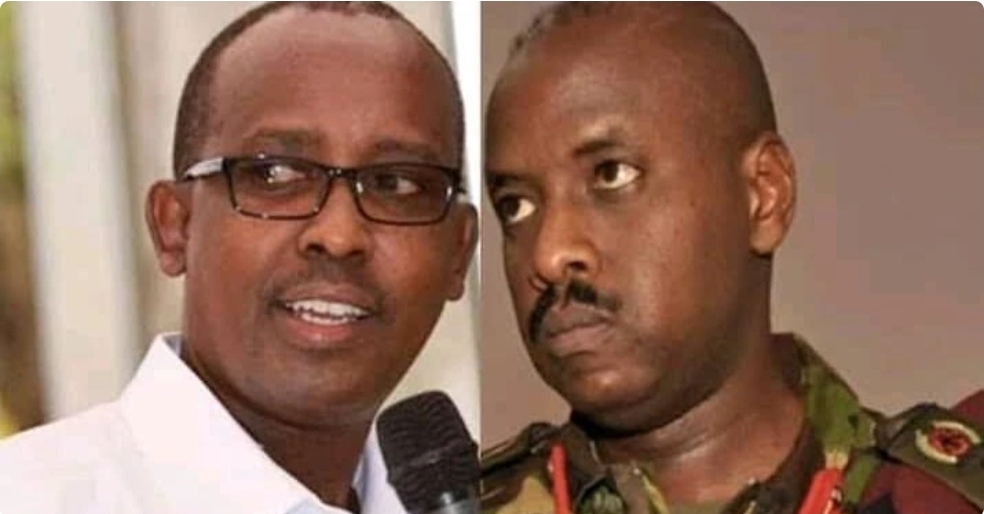 Rwabwogo Advised to ‘Eat His Bishop’ As MK Prepares to Enter State H’se: PREZ MUSEVENI ON HIS WAY OUT
Ultimate Uganda
Rwabwogo Advised to ‘Eat His Bishop’ As MK Prepares to Enter State H’se: PREZ MUSEVENI ON HIS WAY OUT
Ultimate Uganda
0 Comments