
Government Secures Japanese Funding for Kampala Flyover Phase II
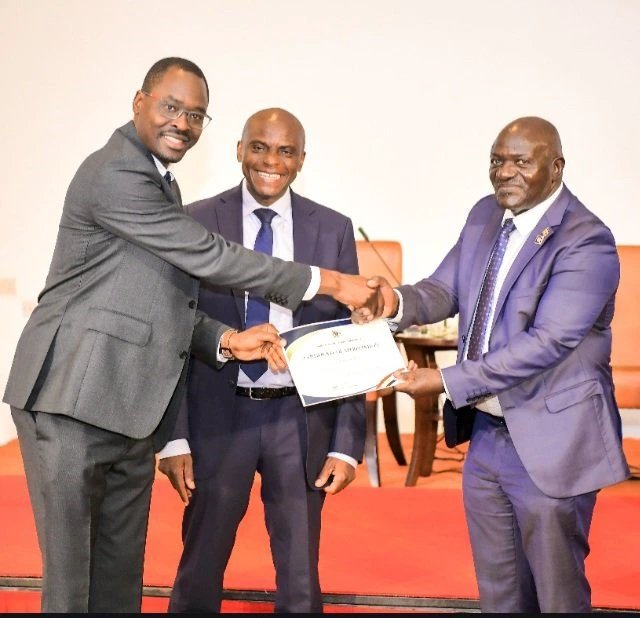

KAMPALA — The Government of Japan has confirmed funding for the second phase of the Kampala Flyover project, a major infrastructure development expected to ease traffic congestion and reduce flooding along Jinja Road.
The Minister of Works and Transport, Katumba Wamala, announced the development, describing it as a significant milestone for the city.
“I have good news, especially for the people of Kampala. We have received firm confirmation from the Government of Japan that Lot II of the Kampala Flyover is going to start,†he said.
The announcement was made during the launch of the General Specifications for Road and Bridge Works at Munyonyo Resort Hotel in Kampala.
Project scope
The second phase of the Kampala Flyover will extend the existing Clock Tower Flyover (Lot I) to Kitgum House junction and Wampewo Avenue. It will also include connecting roads to Coronation Road near Lugogo Bypass and a future link to the planned Jinja Expressway.
According to Gen Katumba, the project is expected to significantly reduce traffic congestion and address persistent flooding, particularly around the Kawempe Avenue Roundabout on Jinja Road.
“We are going to implement Lot II as designed. It will be a magnificent structure,†he said, adding that 94 percent of the required land has already been acquired, with only a few utilities left to be relocated.
He noted that the government expects to finalize contract signing by October, with construction set to begin in January next year.
The project will also improve drainage in flood-prone areas such as around Airtel House, Wampewo Roundabout, and near the former Electoral Commission headquarters at Centenary Park.
New road standards launched
At the same event, Gen Katumba launched the 2026 General Specifications for Road and Bridge Works, a new framework that sets mandatory standards for road construction across the country.
He said the guidelines will ensure consistency, durability, and accountability in infrastructure development, warning that any deviations by contractors or government entities would attract legal consequences.
“By clearly defining standards for materials, workmanship, testing, and quality control, we will ensure roads and bridges are reliable, long-lasting, and deliver value for public investment,†he said.
The Engineer-in-Chief at the Ministry, Eng. Stephen Kitonsa, explained that the new standards emphasize the use of materials suited to Uganda’s climate to improve road durability.
He noted a shift from conventional penetration-grade bitumen to performance-graded bitumen, which is better suited to withstand high temperatures of up to 45°C that often cause road surfaces to crack.
“At such temperatures, conventional bitumen softens and loses stiffness, making roads more vulnerable to rutting and cracking,†Eng. Kitonsa said.
Policy changes
The new regulations also introduce key policy changes, including shifting responsibility for land acquisition from contractors to the government. Previously, contractors were tasked with acquiring land for road projects.
Additionally, contractors will now be required to recycle and reuse materials during construction and rehabilitation works to reduce costs and minimize waste.
Eng. Kitonsa said the standards aim to ensure uniform quality of roads and bridges across the country.
“These specifications are not optional; they are a national standard and a legal requirement,†he emphasized.
Focus on durability and sustainability
The Permanent Secretary of the Ministry of Works and Transport, Bageya Waiswa, expressed confidence that the new standards will lead to more durable and resilient infrastructure.
“Our roads must be safe, durable, and sustainable. They must withstand increasing traffic, heavier loads, and the impacts of climate change, including more intense rainfall,†he said.
He added that the reforms are intended to reduce premature road failures, cut maintenance costs, and ensure better value for taxpayers.


 Government will not gazette Kijanangoma as King of Tooro for now - Attorney General insists
Ultimate Uganda
Government will not gazette Kijanangoma as King of Tooro for now - Attorney General insists
Ultimate Uganda
 King Oyo’s Body to Arrive Thursday
Ultimate Uganda
King Oyo’s Body to Arrive Thursday
Ultimate Uganda
 Besigye, Lukwago expected to meet Gen. Salim Saleh today at Kapeeke
Ultimate Uganda
Besigye, Lukwago expected to meet Gen. Salim Saleh today at Kapeeke
Ultimate Uganda
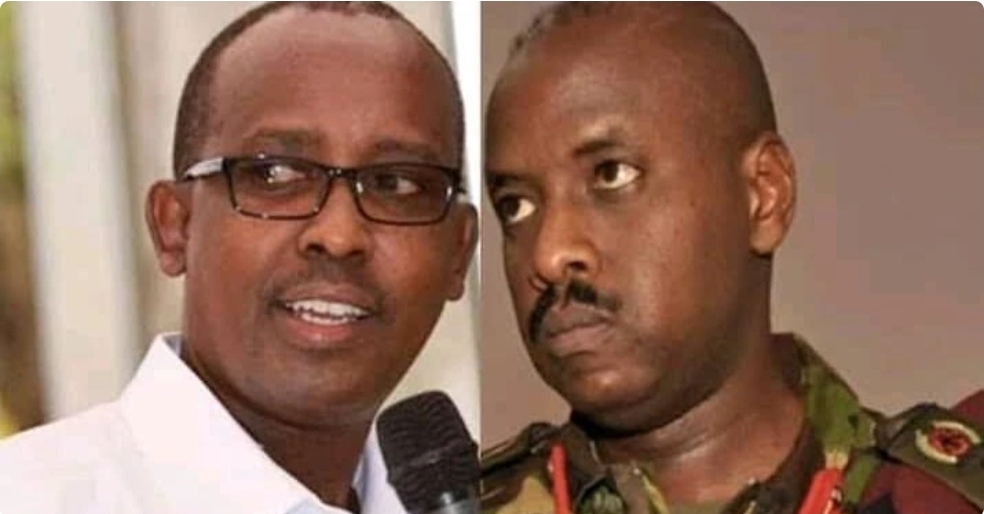 Rwabwogo Advised to ‘Eat His Bishop’ As MK Prepares to Enter State H’se: PREZ MUSEVENI ON HIS WAY OUT
Ultimate Uganda
Rwabwogo Advised to ‘Eat His Bishop’ As MK Prepares to Enter State H’se: PREZ MUSEVENI ON HIS WAY OUT
Ultimate Uganda
0 Comments