
Ssemujju Dismisses ‘Behind-the-Scenes’ Opposition-Government Talks as ‘Welfare Issues Aimed at One Party’
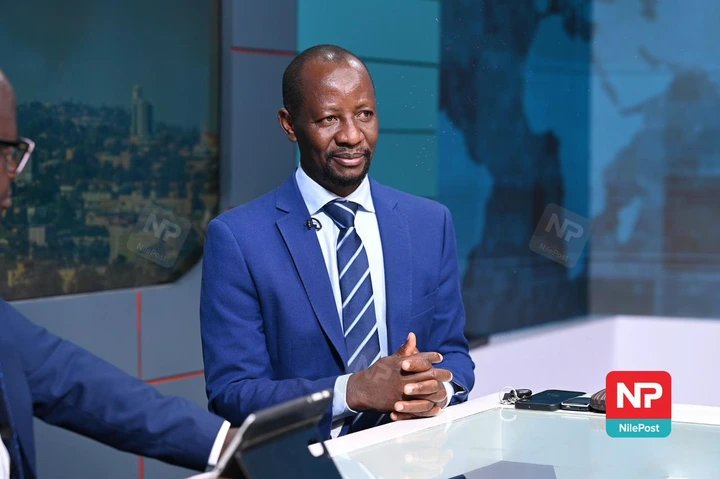

Outgoing Kira Municipality Member of Parliament and Ibrahim Ssemujju Nganda, who also serves as the spokesperson for the People’s Front for Freedom (PFF), has raised concerns over what he described as opaque and informal political engagements in Uganda, calling for structured and public dialogue to address the country’s post-election tensions.
Speaking during NBS Morning Breeze on Monday, Ssemujju criticized the nature of discussions allegedly involving President Yoweri Museveni’s government and opposition actors.
He argued that the President often steers conversations toward private matters that are not suitable for public accountability.
“President Museveni normally wants to discuss personal issues, and people don’t want to discuss these personal issues in public,†he said.
Ssemujju also referenced reports surrounding discussions involving the National Unity Platform (NUP), particularly regarding their alleged exclusion from the Inter-Party Organisation for Dialogue (IPOD).
He dismissed these concerns as limited in scope, describing them as “welfare issues aimed at one party†rather than broader national concerns.
While he acknowledged widespread speculation about ongoing talks between NUP and the government, Ssemujju said he could not independently confirm their existence.
However, he insisted that behind-the-scenes negotiations are a persistent feature of Uganda’s political landscape.
“What I know for sure is that deals are being done behind the scenes,†he said, pointing to past arrangements as examples.
He cited the example of Mawokota South legislator Yusuf Nsibambi, who left the Forum for Democratic Change (FDC) to join the ruling National Resistance Movement (NRM) following a closed-door Opposition-Museveni state house meeting.
Ssemujju’s remarks come amid a broader national debate following the recently concluded general elections held nationwide on January 15, 2026, with increasing calls for an inclusive national dialogue.
Opposition leaders continue to maintain that the electoral process was flawed, demanding reforms, accountability, and stronger guarantees for political freedoms.
These concerns are further heightened by the absence of former NUP presidential candidate Robert Kyagulanyi Ssentamu, who is currently abroad and has remained in hiding since the day after the polls.
His absence has fueled speculation, particularly in light of reports suggesting quiet but intensive negotiations between NUP and the government aimed at facilitating his safe return. The NUP has publicly denied the existence of such talks.
Meanwhile, the government has maintained that the opposition, including NUP, is not under systematic attack—a claim that continues to be contested by critics and opposition supporters.
Religious leaders and elder statesmen have also stepped into the fray, urging both sides to prioritize national interests over partisan considerations. However, these mediation efforts have yet to yield significant progress, reflecting the deep divisions and mistrust that persist within the political environment.
Public skepticism remains high, with many Ugandans questioning whether proposed dialogues will lead to substantive reforms or merely serve as symbolic gestures.
Previous attempts at political negotiations have produced mixed outcomes, further dampening confidence in the process.
As the nation waits for clear signals from key political actors, the central question remains whether all sides are willing to create the conditions necessary for a sustainable resolution.
For now, national dialogue remains both a hopeful possibility and an uncertain path as Uganda navigates its post-election political landscape.


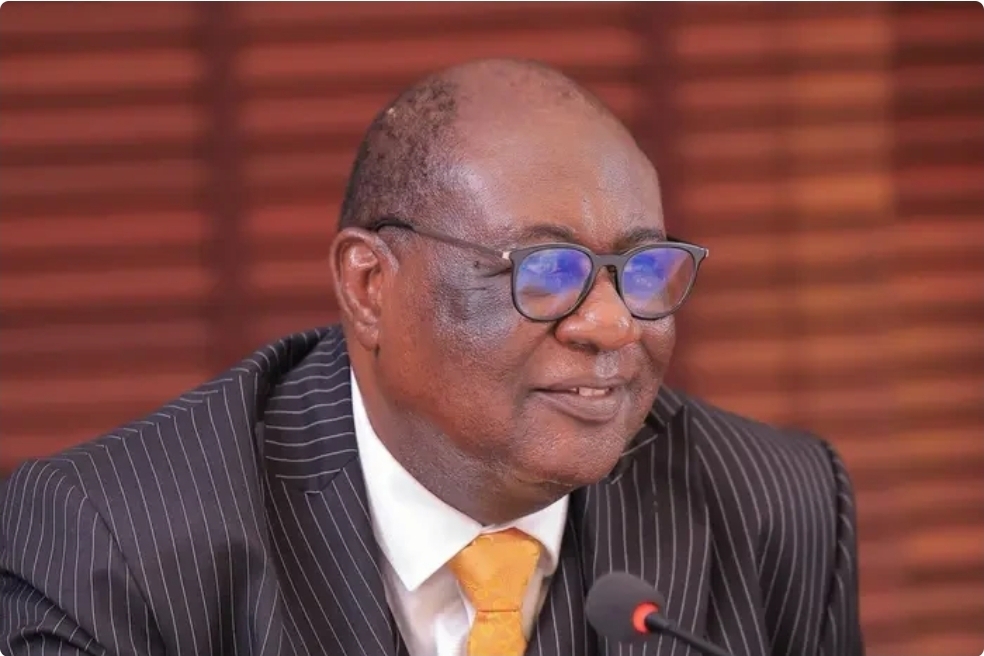 Government will not gazette Kijanangoma as King of Tooro for now - Attorney General insists
Ultimate Uganda
Government will not gazette Kijanangoma as King of Tooro for now - Attorney General insists
Ultimate Uganda
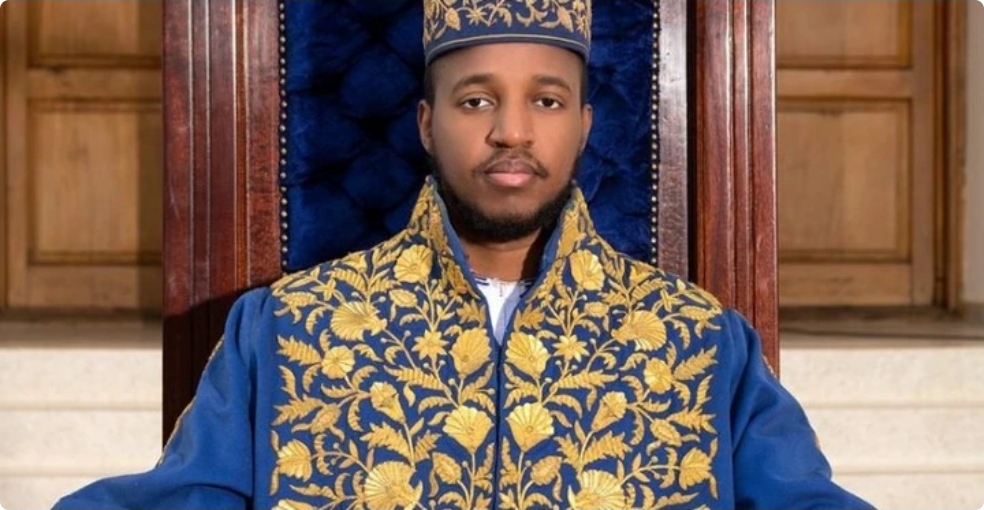 King Oyo’s Body to Arrive Thursday
Ultimate Uganda
King Oyo’s Body to Arrive Thursday
Ultimate Uganda
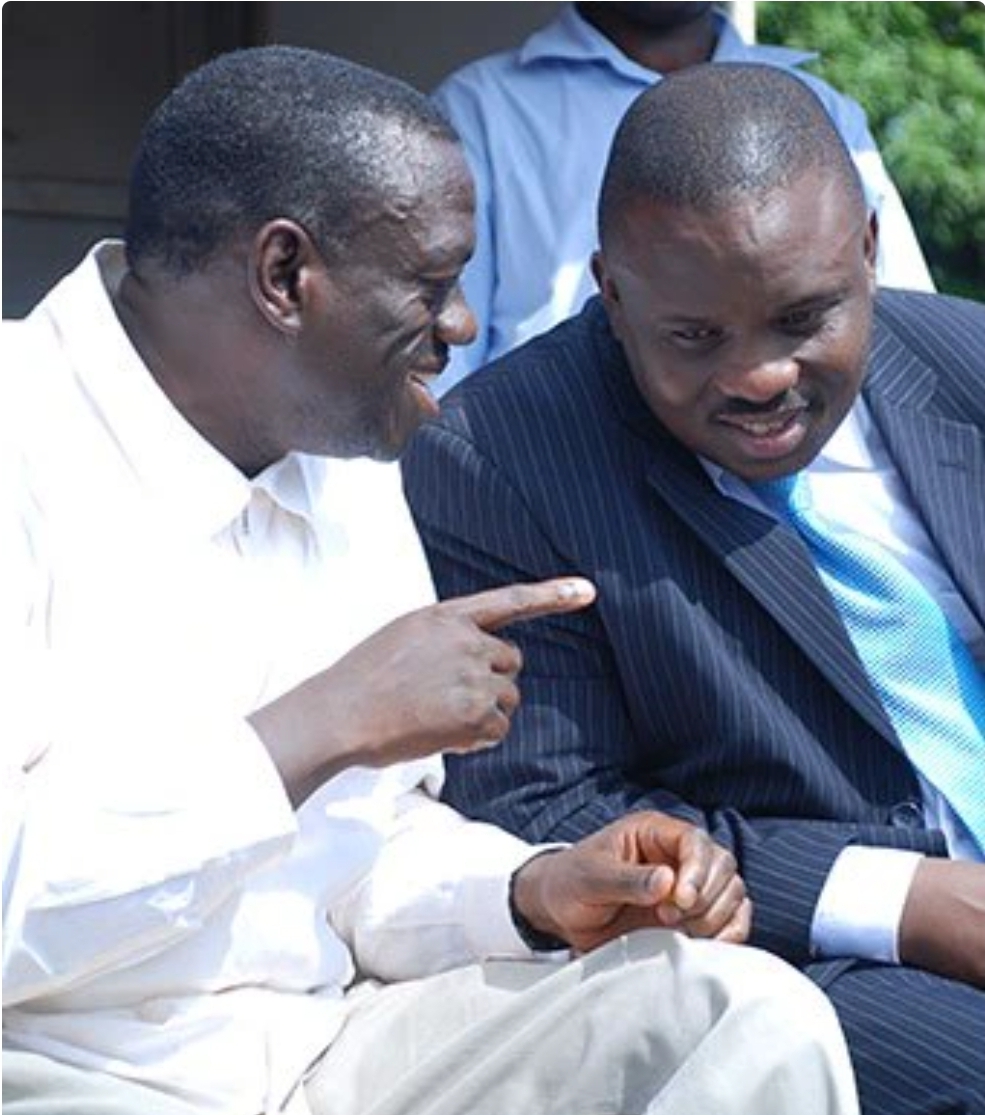 Besigye, Lukwago expected to meet Gen. Salim Saleh today at Kapeeke
Ultimate Uganda
Besigye, Lukwago expected to meet Gen. Salim Saleh today at Kapeeke
Ultimate Uganda
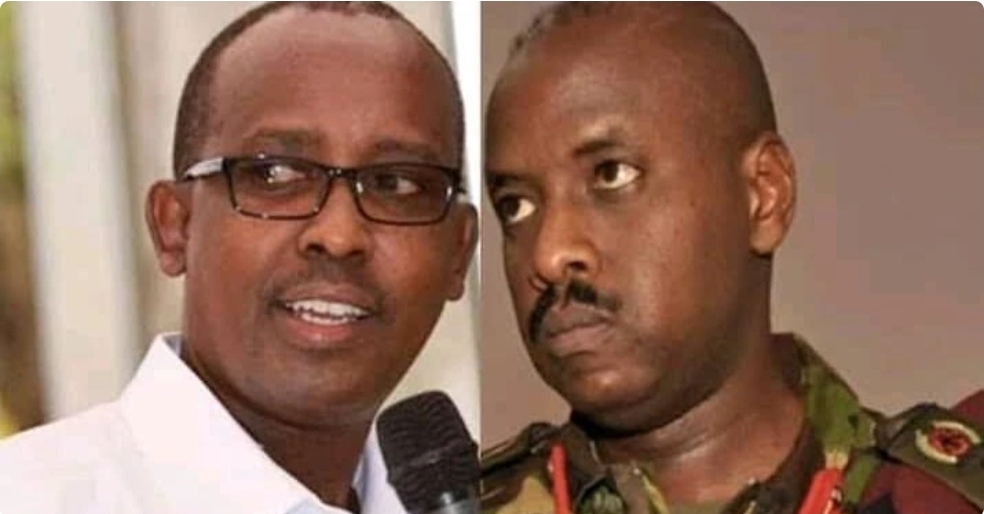 Rwabwogo Advised to ‘Eat His Bishop’ As MK Prepares to Enter State H’se: PREZ MUSEVENI ON HIS WAY OUT
Ultimate Uganda
Rwabwogo Advised to ‘Eat His Bishop’ As MK Prepares to Enter State H’se: PREZ MUSEVENI ON HIS WAY OUT
Ultimate Uganda
0 Comments