
Alupo, Nabbanja, Babalanda, Magyezi: The 2021 Fishermen Cabinet Under The Microscope! Who Has Thrived, Who Has Faltered?
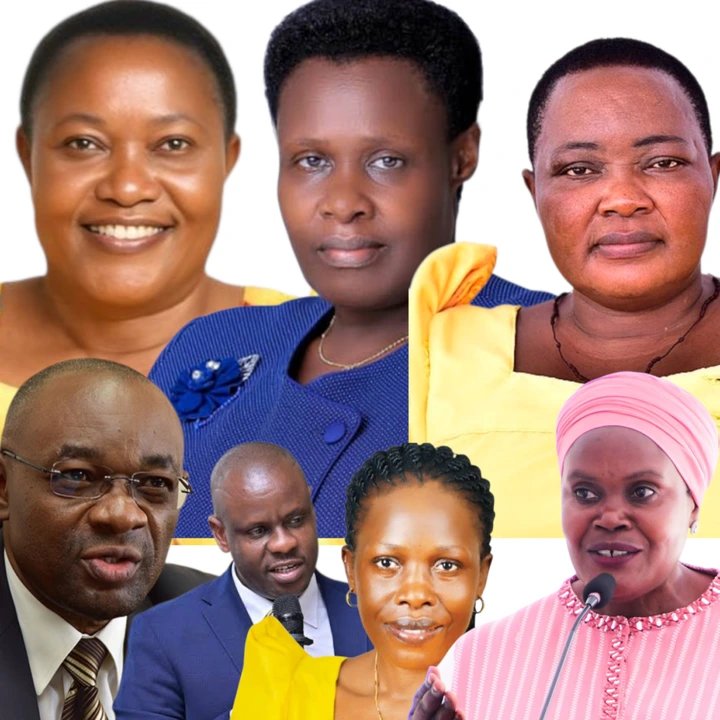

President Museveni’s “fishermen cabinet†of June 2021 was a gamble that stunned Ugandans. He elevated figures who were not widely expected to hold such prominent roles, describing them as fishermen pulled from the grassroots to serve at the highest level. Five years later, the record of these ministers is mixed—some have thrived in visibility, loyalty, and reform, while others have faltered in execution and policy depth. The balance sheet of their performance reveals both winners and losers, and raises questions about service delivery, infrastructure, foreign policy, security, and economic transformation.
Jesca Alupo, the Vice President, was appointed largely for regional balance and her military background. She has thrived in symbolic roles, representing Uganda abroad and calming tensions at home. In March 2026, she promised salary parity for arts teachers at King’s College Budo, showing responsiveness to education concerns. She has also represented Uganda at regional summits, projecting stability and continuity. Yet her role has been largely ceremonial, with little evidence of transformative policy leadership. Critics argue she has not stamped authority on national issues, leaving her tenure defined more by presence than impact. She has not been the driver of economic or social reform, but rather a stabilizing figure whose main achievement is maintaining balance in the political equation.
Robinah Nabbanja, the Prime Minister, became the most visible and unusual Premier Uganda has ever had. She thrived in grassroots interventions—rejecting ghost names in COVID-19 relief cash distribution in Kampala in 2021, storming Masaka hospital in 2022 over poor service delivery, and warning wetland encroachers in Luzira in March 2026. She has been a hands-on leader, often appearing in communities to directly address citizens’ concerns. Her failures lie in limited systemic reform: corruption persists, disaster preparedness remains weak, and her populist style unsettles elites. She is Museveni’s loyal mobilizer, but her future depends on regional balance politics. Her tenure has been a story of visibility and symbolism, but questions remain about whether her energy has translated into lasting institutional change.
Balaam Barugahara, appointed State Minister for Youth and Children Affairs in March 2024, brought flamboyance from his career as an events promoter. He thrived in mobilizing youth for NRM rallies and leveraging his private-sector grit. He has been visible in youth mobilization campaigns, using his networks to energize young supporters. Yet he has failed to articulate clear youth empowerment policies beyond political mobilization. His tenure is seen as partisan, with little structural impact on unemployment or skills development. Uganda’s youth remain burdened by joblessness, and Balaam’s ministry has not delivered the transformative programs that were expected. His record is one of visibility without depth.
Milly Babalanda, Minister for the Presidency, has emerged as one of the clear winners. She transformed the Resident District Commissioner (RDC) function, making it more visible in monitoring government programs and enforcing accountability. She enhanced mobilisation by recruiting Assistant RDCs, expanding the reach of the presidency into local communities. She demanded accountability in subordinate entities like the Uganda Printing and Publishing Corporation and the Uganda AIDS Commission, curbing misuse of resources and championing efficiency. She improved staff welfare at the Presidency, boosting morale and cohesion. Her loyalty and closeness to Museveni have been an asset, and she has avoided scandal, positioning herself as a reliable operator. By reshaping the Presidency’s machinery, she has demonstrated that she is more than just a loyalist—she is a minister who has left a mark. Her record shows tangible reforms, and she stands out as one of the cabinet’s success stories.
Rukiah Isanga Nakadama, the Third Deputy Prime Minister, thrived in diplomacy, serving as Honorary Consul of Pakistan in Uganda and representing the country at diaspora events like the NRM Canada symposium in 2024. She has been a symbol of inclusivity, representing women and regional balance. Yet her role has been largely ceremonial, with little influence on core government policy. She embodies inclusivity but lacks a strong reformist record. Her tenure has been defined more by presence than by policy impact.
Raphael Magyezi, Minister of Local Government, is remembered for spearheading the removal of the presidential age limit in 2017 before his ministerial role. As minister, he thrived in presenting a Shs7.4 trillion budget in March 2026 and pushing the Parish Development Model. Yet he admitted failures in operationalizing new cities in 2025, with weak governance frameworks and funding gaps. Most damaging has been the failure to organize local council elections, leaving grassroots democracy in limbo and undermining the credibility of local governance. This failure has weakened the legitimacy of local councils and eroded trust in decentralization. His tenure reflects ambition but also structural shortcomings in decentralization. The inability to hold elections is a glaring weakness that overshadows his other efforts.
Judith Nabakooba, Minister of Lands, thrived in distributing land titles and attempting to confront the “mafia cartel†in her ministry. She survived a road crash in April 2026 while en route to Rwampara to hand over titles. She has been visible in land title distribution, a move that has given security to many citizens. Yet land wrangles remain rampant, corruption persists, and her cautious responses to Museveni’s directives show the difficulty of reforming a deeply entrenched sector. Her ministry remains plagued by disputes and inefficiencies, limiting the impact of her efforts.
Minsa Kabanda, Minister for Kampala and Metropolitan Affairs, thrived in coordinating urban governance and representing Kampala’s interests since 2021. She has been visible in urban management, but Kampala’s infrastructure woes—traffic congestion, poor drainage, and informal settlements—remain unresolved. Her ministry has been criticized for lacking bold reforms, leaving the capital’s problems largely intact. Kampala continues to struggle with flooding, congestion, and poor waste management, and Kabanda’s tenure has not delivered the transformative urban reforms that were needed.
Taken together, Museveni’s fishermen cabinet has delivered mixed results. Service delivery has seen visible interventions but limited systemic change. Infrastructure projects continue, but city operationalization and urban reforms lag. Foreign policy remains steady, with Uganda active in regional diplomacy, but not significantly reshaped by these ministers. Security remains under the President and military establishment, with ministers playing supportive roles. Economic transformation has been attempted through the Parish Development Model, but poverty and unemployment remain stubborn. The cabinet’s strength lies in loyalty, symbolism, and grassroots energy; its weakness lies in technocratic depth, institutional reform, and regional balance. Museveni’s gamble on less prominent figures produced visibility and loyalty, but the promise of transformation remains unfulfilled. The fishermen cabinet has not capsized, but it has not sailed Uganda into new waters either.
At the end of the day, Jesca Alupo has been a stabilizer but not a reformer, Nabbanja remains the most unusual Premier with mixed results, Balaam Barugahara has been visible but shallow in youth policy, Milly Babalanda stands out as a winner with tangible reforms, Nakadama has been symbolic but limited, Magyezi is weighed down by the failure to organize local council elections, Nabakooba has fought but not defeated entrenched land cartels, and Kabanda has struggled with Kampala’s urban challenges. The fishermen cabinet has been a story of loyalty rewarded, but the verdict on service delivery and Itransformation is still pending. Museveni’s experiment produced visibility and symbolism, but Ugandans continue to wait for deeper reforms in governance, infrastructure, and economic transformation.


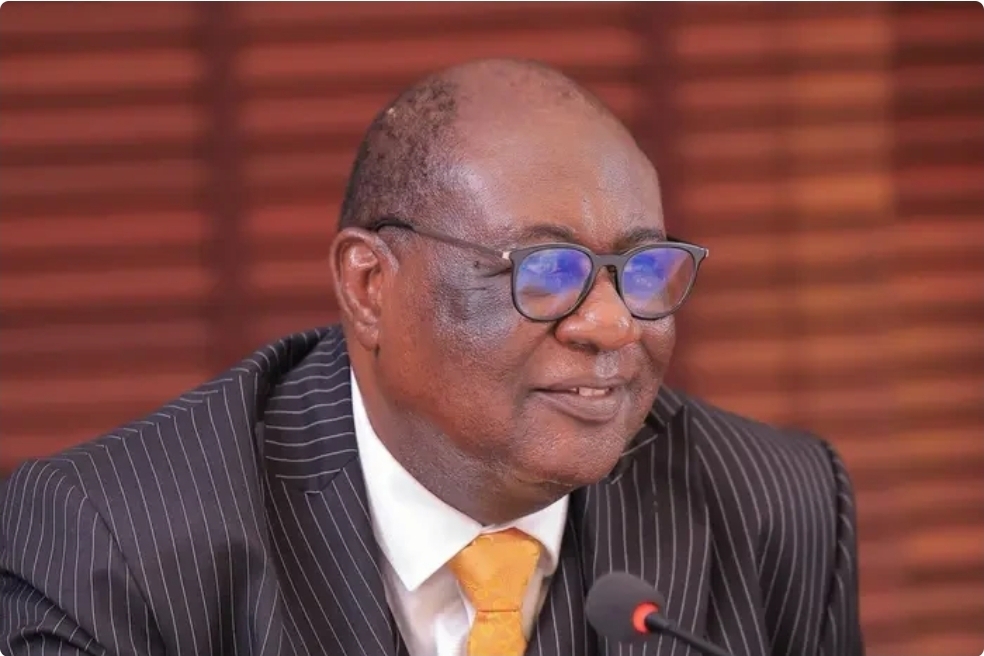 Government will not gazette Kijanangoma as King of Tooro for now - Attorney General insists
Ultimate Uganda
Government will not gazette Kijanangoma as King of Tooro for now - Attorney General insists
Ultimate Uganda
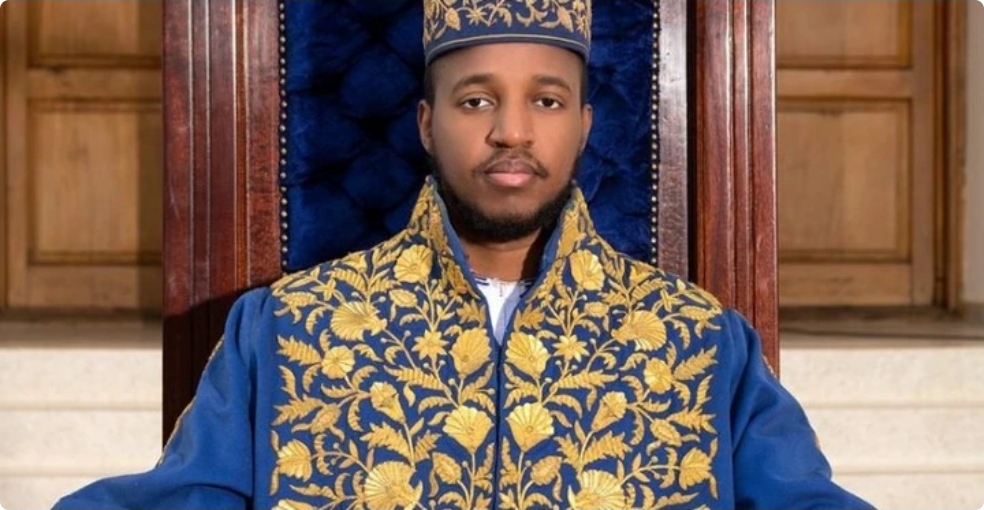 King Oyo’s Body to Arrive Thursday
Ultimate Uganda
King Oyo’s Body to Arrive Thursday
Ultimate Uganda
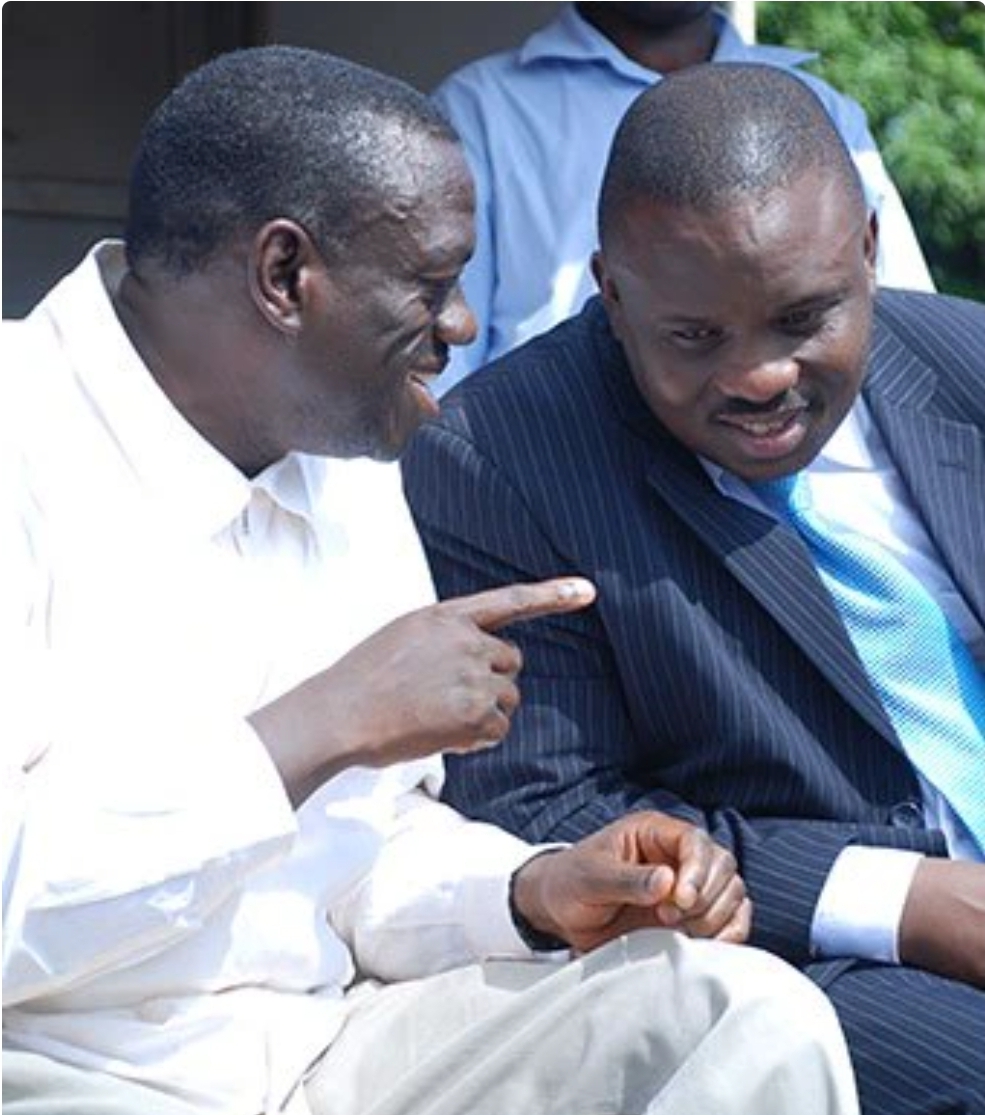 Besigye, Lukwago expected to meet Gen. Salim Saleh today at Kapeeke
Ultimate Uganda
Besigye, Lukwago expected to meet Gen. Salim Saleh today at Kapeeke
Ultimate Uganda
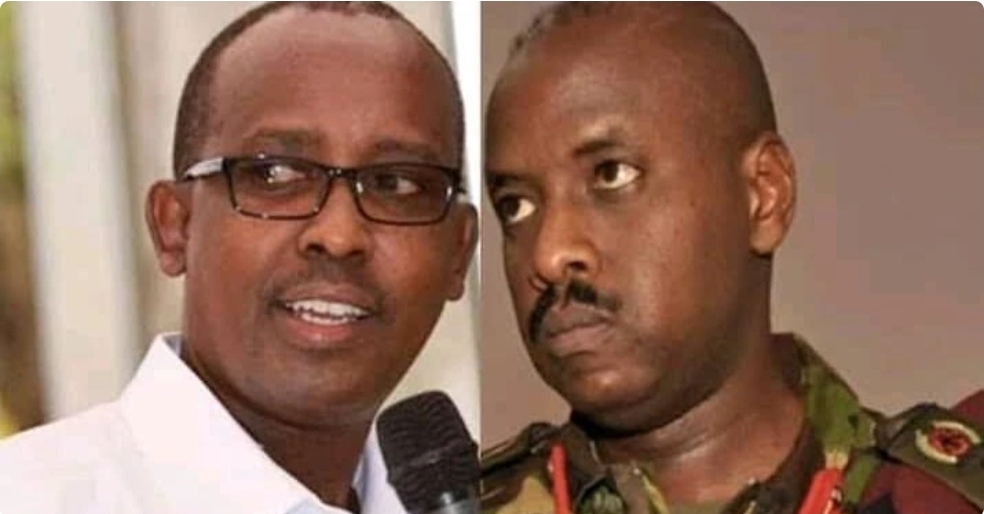 Rwabwogo Advised to ‘Eat His Bishop’ As MK Prepares to Enter State H’se: PREZ MUSEVENI ON HIS WAY OUT
Ultimate Uganda
Rwabwogo Advised to ‘Eat His Bishop’ As MK Prepares to Enter State H’se: PREZ MUSEVENI ON HIS WAY OUT
Ultimate Uganda
0 Comments