
Nabbanja-The Premier Who Broke the Mold — But is She Safe From Museveni’s Reshuffle Knife?
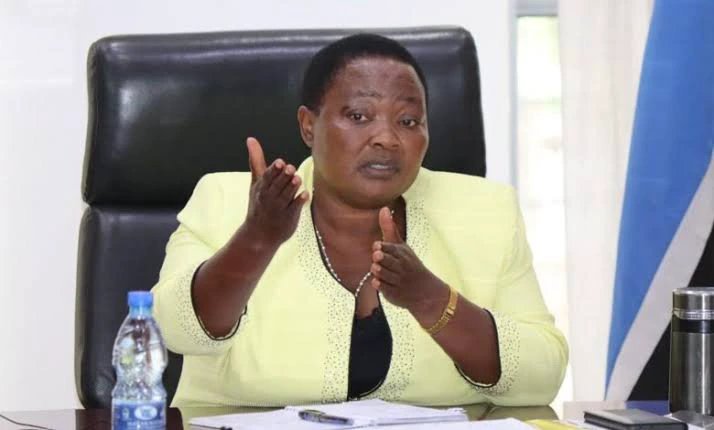

Prime minister Rt Hon Robinah Nabanja
President Yoweri Kaguta Museveni has been preoccupied with arrangement for his swearing in ceremony in May but behind the curtain, a more rigorous norm of choosing the most able of men and women to run the next five year government with must be ongoing concurrently but with most likely, more urgency and care. Those close to the veteran leader, fresh from winning a successive seventh term have whispered that the President elect has been busy patching final touches to the much anticipated compilation of those chosen among the 45 million Ugandans. One of those positions believed to be causing Museveni a headache is the Prime Minister, a role currently occupied by Robinah Nabbanja- the Kakumiro Woman Member of Parliament, fresho from winning another five year mandate back home.
Nabbanja The Fisherwoman, Hands-on PM: But Has She Done Enough to Keep Role in Next Cabinet?
Nabbanja’s story is one of resilience, symbolism, and controversy. Rising from the fishing villages of Kakumiro to become Uganda’s first female Prime Minister in June 2021, she embodied a break from tradition and a promise of grassroots representation. Her appointment was historic, celebrated as a milestone for women in leadership, and it carried with it the aura of a leader who understood the struggles of ordinary Ugandans. Yet, as her tenure has unfolded, the question that now hangs over her head is whether she has done enough to retain her place in President Museveni’s next cabinet, or whether her unusual style and mixed record will push the President to consider alternatives from regions clamoring for recognition.
Nabbanja’s earliest days in office were defined by urgency. Uganda was in the throes of the COVID-19 pandemic, and the government faced the daunting task of distributing relief to millions of vulnerable households. She quickly made headlines by rejecting inflated beneficiary lists and insisting on direct mobile money transfers to citizens. In July 2021, she personally intervened in Kampala to halt irregularities, declaring that “ghost names†would not siphon off funds meant for struggling families. This hands-on approach won her praise from ordinary Ugandans who saw in her a rare willingness to confront corruption. Yet the program also exposed the limits of her power. Delays in disbursement, complaints about the small amounts—100,000 shillings per household—and accusations of favoritism revealed the structural inefficiencies of Uganda’s bureaucracy. Nabbanja’s determination was clear, but the machinery she sought to control was unwieldy, leaving her with partial victories rather than sweeping reforms.
Her grassroots style became her trademark. Unlike her predecessors who often operated from the comfort of Kampala offices, Nabbanja was frequently seen in districts across the country, inspecting health centers, schools, and roads. In Masaka, she stormed a hospital in 2022 after reports of poor service delivery, demanding accountability from administrators. In Gulu, she confronted contractors over shoddy road works, warning that government funds would not be wasted. These interventions endeared her to citizens who felt neglected, but they also unsettled elites who viewed her methods as populist and unorthodox. For some, she was a breath of fresh air; for others, she was a Premier who blurred the line between executive oversight and micromanagement.
Her environmental advocacy added another layer to her profile. Nabbanja repeatedly warned against wetland encroachment, particularly in Wakiso and Luweero, where illegal settlements threatened water sources. She linked climate change to the floods that devastated Mbale in 2022, urging Ugandans to vacate wetlands and respect environmental laws. Her rhetoric was bold, and she positioned herself as a defender of Uganda’s natural heritage. Yet enforcement remained weak, and critics argued that her pronouncements lacked follow-through. Developers continued to encroach, and government agencies struggled to act decisively. Nabbanja’s voice was strong, but the institutional muscle behind it was often lacking.
Politically, Nabbanja’s appointment was both a reward and a gamble. Museveni elevated her as a loyal cadre of the National Resistance Movement, recognizing her grassroots mobilization in Kakumiro and her ability to energize rural voters. Her presence in cabinet symbolized inclusivity, gender progress, and loyalty. But it also tied her legacy to the broader criticisms of the NRM government. As opposition voices grew louder about corruption, democratic backsliding, and economic hardship, Nabbanja was often caught in the crossfire. Her defense of government policies sometimes came across as combative, reinforcing perceptions that she was more of a loyalist than a reformer.
Her failures are most evident in the perception of limited institutional reform. Despite her energy, Uganda’s governance challenges remain entrenched. Corruption scandals continue to surface, service delivery gaps persist, and the healthcare system struggles under pressure. Nabbanja’s interventions, while visible, have not translated into systemic change. In 2023, when floods displaced thousands in Mbale, her visit and promises of relief were welcomed, but the long-term solutions to disaster preparedness remained elusive. Similarly, her push for accountability in education did not prevent reports of exam malpractice and underfunded schools. The criticism that she is more of a firefighter than a planner has stuck, raising doubts about her long-term impact.
Her style has also been described as unusual for a Prime Minister. Traditionally, the office has been associated with technocratic coordination and quiet diplomacy. Nabbanja, by contrast, thrives on visibility, direct confrontation, and populist gestures. She is often seen distributing relief items herself, inspecting projects without prior notice, and making bold pronouncements in public rallies. This has made her one of the most talked-about Premiers in Uganda’s history, but it has also fueled skepticism among elites who prefer a more conventional approach. Some argue that her methods undermine institutional processes, while others see them as necessary disruptions in a system plagued by inertia.
The dilemma for Museveni is complex. On one hand, Nabbanja represents loyalty, gender progress, and grassroots energy. On the other, her unusual style and limited systemic achievements raise questions about her suitability for continued leadership. Moreover, the politics of regional balance weigh heavily. Regions like Acholi, Lango, Busoga, and Buganda delivered high voting numbers in the 2021 elections, and there is pressure to reward them with top cabinet positions. Nabbanja, as the Kakumiro Woman MP from Bunyoro, symbolizes one region’s ascendancy, but the calculus of national politics may demand a reshuffle to appease other constituencies. Museveni has long balanced his cabinet along regional lines, ensuring that no area feels excluded. The question is whether Nabbanja’s symbolism as the first female Premier outweighs the need to reward other regions.
Her critics argue that she has been the most unusual Premier Uganda has ever had, more of a grassroots mobilizer than a policy strategist. They point to her frequent public appearances, her populist rhetoric, and her tendency to bypass bureaucratic channels. They question whether this style is sustainable in a role that requires coordination, diplomacy, and long-term planning. Supporters counter that her energy and relatability are precisely what Uganda needs, a break from aloof technocrats who fail to connect with ordinary citizens. The debate reflects the broader tension in Ugandan politics between symbolism and substance, visibility and institutional reform.
As Museveni contemplates his next cabinet, Nabbanja’s fate hangs in the balance. She has achieved much in terms of visibility, gender representation, and grassroots engagement. She has fought corruption in relief programs, spoken boldly on environmental issues, and confronted service delivery failures. Yet she has also faced criticisms of populism, limited systemic reform, and association with a government struggling with legitimacy. The President must weigh her loyalty and symbolism against the demands of regional balance and the need for technocratic efficiency.
Nabbanja’s legacy, whether she remains in cabinet or not, will be that of a Premier who broke barriers and redefined the role. She brought energy, visibility, and relatability to an office often seen as distant. She embodied the struggles of ordinary Ugandans, from fishing villages to urban slums, and she spoke their language. But she also revealed the limits of populism in governance, the difficulty of translating energy into systemic change, and the challenges of balancing symbolism with substance. Her story is one of contrasts, achievements and failures, hope and skepticism. And as Uganda looks to the future, the question remains: has Nabbanja done enough to keep her role, or will the politics of regional balance and institutional reform push her aside?


 Government will not gazette Kijanangoma as King of Tooro for now - Attorney General insists
Ultimate Uganda
Government will not gazette Kijanangoma as King of Tooro for now - Attorney General insists
Ultimate Uganda
 King Oyo’s Body to Arrive Thursday
Ultimate Uganda
King Oyo’s Body to Arrive Thursday
Ultimate Uganda
 Besigye, Lukwago expected to meet Gen. Salim Saleh today at Kapeeke
Ultimate Uganda
Besigye, Lukwago expected to meet Gen. Salim Saleh today at Kapeeke
Ultimate Uganda
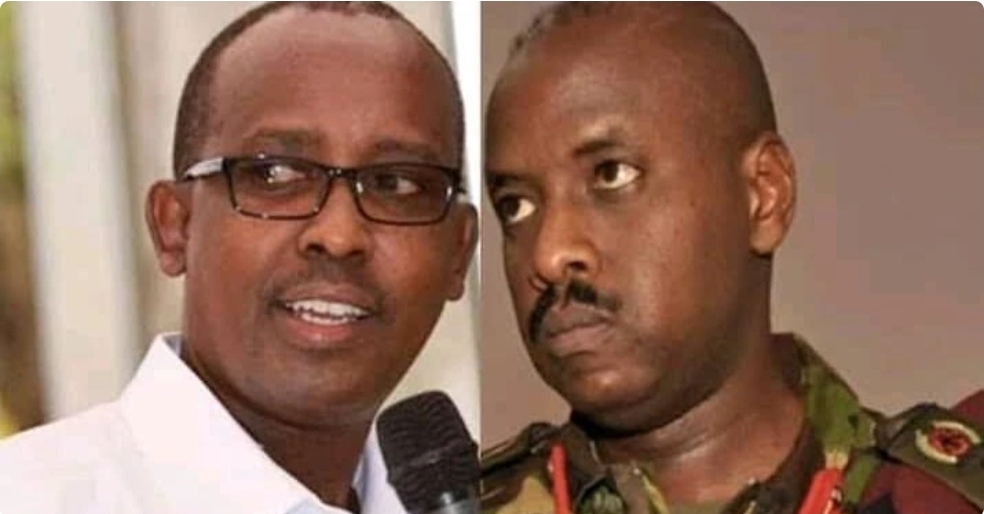 Rwabwogo Advised to ‘Eat His Bishop’ As MK Prepares to Enter State H’se: PREZ MUSEVENI ON HIS WAY OUT
Ultimate Uganda
Rwabwogo Advised to ‘Eat His Bishop’ As MK Prepares to Enter State H’se: PREZ MUSEVENI ON HIS WAY OUT
Ultimate Uganda
0 Comments