
Rwanda Raises Fuel Prices

Rwanda Utilities Regulatory Authority has raised retail fuel prices, citing global market trends and cost pressures, in a move expected to ripple through transport and consumer prices in the East African economy.
In a statement issued late Friday, the regulator said petrol prices will rise to a maximum of 2,303 Rwandan francs ($1.7) per litre, up from 1,989 francs, while diesel will increase to 2,205 francs per litre from 1,948 francs.
The new prices take effect on April 4.
“These adjustments reflect prevailing international market trends, as well as government measures to mitigate the impact of global price fluctuations,†RURA said in the communiqué signed by Director GeneralEvariste Rugigana.
The price increase comes amid renewedvolatility in global oil markets, with supply dynamics and geopolitical risks continuing to influence import-dependent economies such as Rwanda, which relies on regional supply chains through Tanzania and Kenya.
Discover more
Oil & Gas
Energy & Utilities
Autos & Vehicles
Transport fares revised
Authorities also moved to cushion operators by revising public transport tariffs, which often lag fuel price changes.
Base fares in the capital Kigali have been set at 59.28 francs per passenger per kilometre, while intercity travel will cost 41.58 francs per passenger per kilometre. The revised transport fares will take effect on April 6.
Header advertisement
The regulator urged commuters to “plan travel efficiently†and avoid unnecessary trips to help reduce fuel consumption, signalling concern over broader inflationary pressures.
Regional impact
Fuel price adjustments in Rwanda often have knock-on effects across the region, particularly in neighbouring Uganda and the Democratic Republic of Congo, where cross-border trade and transport costs are closely linked.
The increase could feed into higher food and commodity prices, given the central role of transport in supply chains.
Businesses dependent on logistics, including construction, agriculture and retail, are expected to face rising input costs in the coming weeks.
While governments across East Africa have intermittently used tax measures and subsidies to stabilise pump prices, regulators have increasingly allowed prices to track international trends more closely as fiscal pressures mount.
Discover more
Energy & Utilities
Oil & Gas
Autos & Vehicles
RURA said it would “continue to monitor market developments and ensure fair pricing and reliable service delivery,†leaving open the possibility of further adjustments if global oil prices remain elevated.


 DRC opposition urges Tshisekedi to abandon constitutional changes
Ultimate Uganda
DRC opposition urges Tshisekedi to abandon constitutional changes
Ultimate Uganda
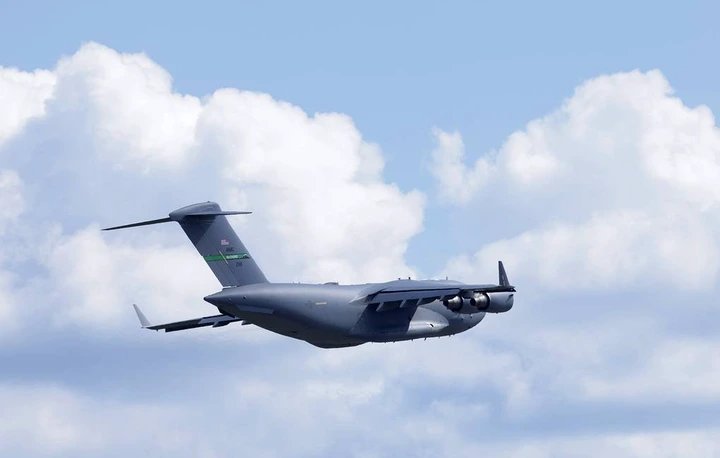 US military transport plane lands in Moscow
Ultimate Uganda
US military transport plane lands in Moscow
Ultimate Uganda
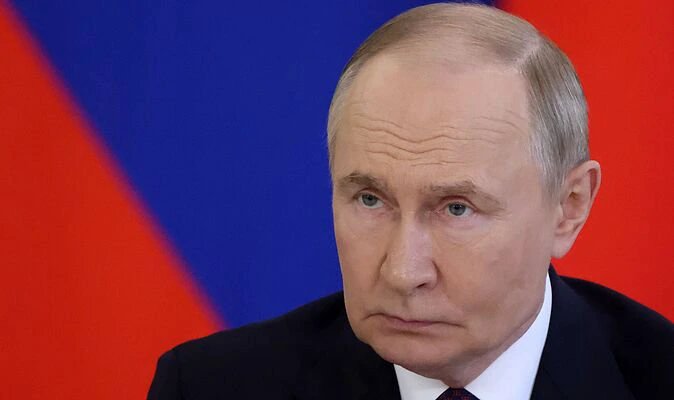 Putin puppet slaps UK with terrifying 2-word warning over drone factories
Ultimate Uganda
Putin puppet slaps UK with terrifying 2-word warning over drone factories
Ultimate Uganda
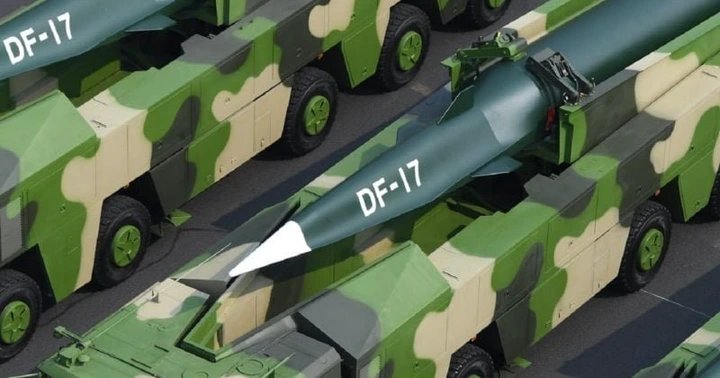 China develops hypersonic weapon to hunt US command aircraft thousands of miles away
Ultimate Uganda
China develops hypersonic weapon to hunt US command aircraft thousands of miles away
Ultimate Uganda
0 Comments