
MPs Push to Reinstate Rural Electrification Agency Amid Power Access Concerns
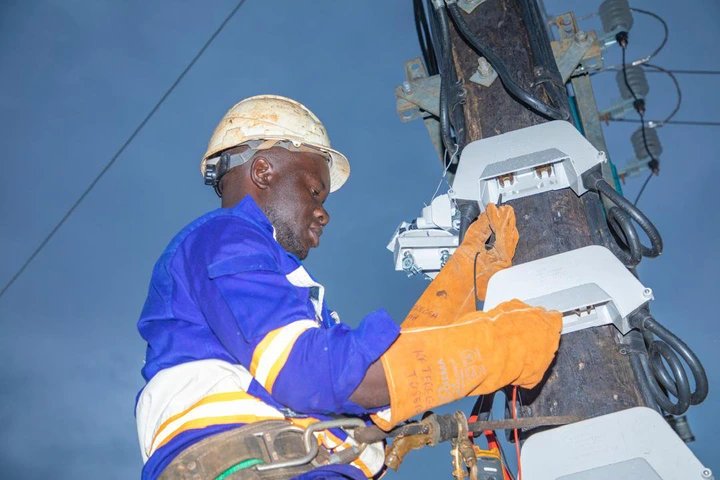

Lawmakers are demanding the revival of the Rural Electrification Agency, arguing that electricity access in rural Uganda has slowed since its dissolution, even as government insists restructuring would delay progress and worsen existing funding constraints.
Members of Parliament have called on government to reinstate the defunct Rural Electrification Agency (REA), citing slow progress in extending electricity to rural communities since its dissolution in August 2022.
The lawmakers raised the matter during a plenary session chaired by Speaker Anita Annet Among, where concerns were expressed over the performance of the Ministry of Energy in delivering rural electrification following the agency’s rationalisation.
The push for reinstatement emerged during the presentation of a report by the Natural Resources Committee, chaired by Herbert Edmond Ariko, which highlighted operational and funding challenges affecting electricity access programmes.
Lawmakers argued that REA had played a central role in expanding electricity to previously underserved communities and that its absence has slowed connectivity efforts.
Faith Nakut, the Napak District Woman Representative, accused the Energy Ministry of misrepresenting progress in regions such as Karamoja.
“The minister is deceiving that during the time of Rural Electrification Agency Karamoja did not have power and that in his tenure he has delivered electricity. That is not true,†she said, adding that engagements with the ministry had not yielded new connections.
Kilak South MP Gilbert Olanya said the rural electrification programme had significantly improved public trust when it was operational.
“When the rural electrification programme started, it touched the hearts of the population. People would always ask when electricity would reach them. Can the ministry do the work REA was doing?†he said.
Speaker Among also weighed in, noting that while there had been management concerns at REA, electricity access had been more visible during its existence.
“At the time of Rural Electrification Agency, we did not have these complaints. The complaints were about management, but power was reaching people,†she said.
Ariko told Parliament that the Ministry of Energy is still grappling with unfunded obligations linked to REA, including arrears and land acquisition for electricity access scale-up projects.
He noted that although government had requested about Shs 300 billion to settle outstanding obligations, only about half had been allocated.
“If your requirement is to clear two gardens and you are given one, after a year you should show what you have harvested. The issue is not just funding,†Ariko said.
However, State Minister for Energy Sidronius Opolot Okaasai rejected the calls to revive REA, warning that such a move would delay electrification efforts.
“By the time of Rural Electrification Agency, Karamoja, Gulu and West Nile did not have electricity. To say power was everywhere is not true. What we require as a ministry is funding,†Okaasai said.
He added that reintroducing the agency could set back progress by several years.
“I can assure you, going back to Rural Electrification Agency would mean another five years without distributing electricity,†he said.
The committee also flagged wider funding gaps affecting the Ministry of Water and Environment, particularly in pipeline extensions and access to clean water. Ariko described the ministry as one of the most politically sensitive sectors, noting that citizens interact most directly with the state through water access, borehole functionality, and piped supply systems.
The debate underscores growing tension between Parliament and the executive over how best to deliver essential infrastructure services, particularly in rural areas where access to electricity and water remains inconsistent.


 The women who have been in King Oyo’s life
Ultimate Uganda
The women who have been in King Oyo’s life
Ultimate Uganda
 Ex Kagame Guard Commander Tom Byabagamba Dies in Rwandan Prison After 12 Years
Ultimate Uganda
Ex Kagame Guard Commander Tom Byabagamba Dies in Rwandan Prison After 12 Years
Ultimate Uganda
 Government begins salary payments for public sector workers – Reform Committee
Ultimate Uganda
Government begins salary payments for public sector workers – Reform Committee
Ultimate Uganda
 Temangalo land: NSSF, Nzenyi reach agreement
Ultimate Uganda
Temangalo land: NSSF, Nzenyi reach agreement
Ultimate Uganda
0 Comments