
DR Congo, M23 Rebels Agree on Humanitarian Access, Prisoner Release in Swiss talks
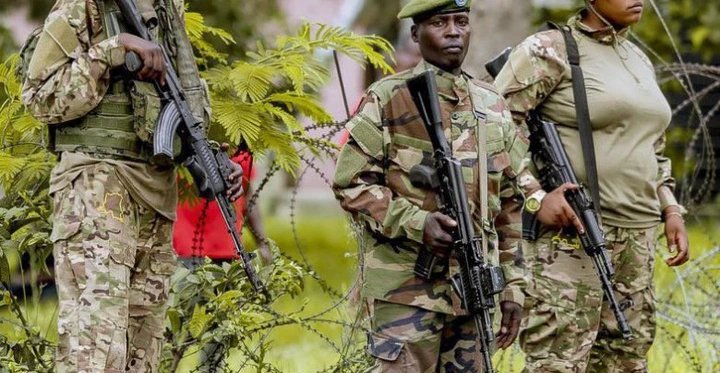

MONTREUX, Switzerland: The government of the Democratic Republic of Congo and the Alliance Fleuve Congo/March 23 (AFC/M23) rebel group announced on Saturday they had made “substantial progress†toward a protocol on humanitarian access and judicial protection, committing to rapid aid deliveries, civilian protection measures and the release of prisoners within 10 days.
The AFC/M23, whose principal component is the long-running M23 rebellion, first emerged in 2012 citing the government’s failure to implement a 2009 peace accord with a predecessor Tutsi-led group.
After a decade of relative dormancy, M23 resurfaced in 2022 and launched a major offensive that saw it capture the strategic eastern city of Goma in January 2025 and Bukavu, the capital of South Kivu province, the following month.
The group now controls large parts of mineral-rich North and South Kivu, amid longstanding accusations of Rwandan military backing — repeatedly denied by Kigali — and reports of human rights abuses on multiple sides of the conflict. The fighting has displaced hundreds of thousands and exacerbated a severe humanitarian crisis.
In a joint communique issued after five days of talks in Montreux, the two sides emphasised “the critical importance of ensuring life-saving humanitarian assistance for the people of eastern DR Congo.â€
“The Parties have agreed on the crucial importance of ensuring vital humanitarian aid to the population without hindrance,†the statement said.
The parties committed to facilitating “rapid, unimpeded, safe and sustained humanitarian access†as well as the free circulation of humanitarian personnel, goods and convoys. They pledged to respect and protect humanitarian actors, including local staff and beneficiaries, and to prevent any diversion or pillage of aid.
“The Parties have undertaken to abstain from any action which could compromise the provision of humanitarian aid delivered on the basis of humanitarian principles in the territories affected by the conflict,†the communique added.
Humanitarian assistance was defined broadly to encompass food, nutrition, healthcare, water, sanitation, shelter and protection services, with explicit safeguards against discrimination based on religion, ethnicity, political opinion or other grounds.
The two sides also agreed to refrain from attacking, destroying or rendering useless objects indispensable to civilian survival, “including food supplies, agricultural areas, water systems, irrigation works, telecommunications and energy infrastructure, hospitals and schools.â€
On the ceasefire front, the government and AFC/M23 said they had signed a protocol with the International Conference on the Great Lakes Region (ICGLR) to operationalise the expanded joint verification mechanism (MCVE+).
This will enable the Ceasefire Oversight and Verification Mechanism (COVM), established under the Doha framework, to begin monitoring and verification activities with logistical support from the U.N. peacekeeping mission MONUSCO.
The parties expressed their intention “to launch, within a period of one week, the first verification missions of the COVM.â€
They further committed to releasing detainees “within a period of 10 days†in accordance with the prisoner exchange mechanism signed on Sept. 14, 2025, with the International Committee of the Red Cross (ICRC) providing lists of detainees “in accordance with established procedures.â€
“The Government of the DRC and the AFC/M23 express their gratitude to the State of Qatar, the United States, Switzerland, the Republic of Togo, the African Union Commission as well as the United Nations, notably through MONUSCO, for their unwavering support in promoting peace and stability in eastern DRC and the entire Great Lakes region,†the communique said.
The latest talks, held from April 13-17 under the auspices of Qatar, the United States, Switzerland, Togo (as African Union mediator), the African Union and the United Nations, form part of efforts to implement the Doha Framework for a Comprehensive Peace Agreement signed in November 2025.
That framework, mediated by Qatar with U.S. support, serves as a roadmap outlining eight protocols aimed at ending years of conflict in eastern Congo.
It addresses humanitarian access, judicial protection, governance reforms, security arrangements, the return of refugees and internally displaced persons, and economic recovery. Only limited elements had been finalised prior to the Montreux round.
While the agreement marks a step forward on humanitarian and confidence-building measures, no full ceasefire or resolution of core political disputes was announced.
Sources familiar with the negotiations said differences persist on several outstanding issues, including the restoration of state authority in rebel-held areas.
Fighting in mineral-rich eastern DRC has triggered a severe humanitarian crisis, with aid organisations frequently facing restricted access and attacks on health facilities.
The U.S. State Department and Qatari authorities confirmed the joint statement, reiterating international support for the Doha process.


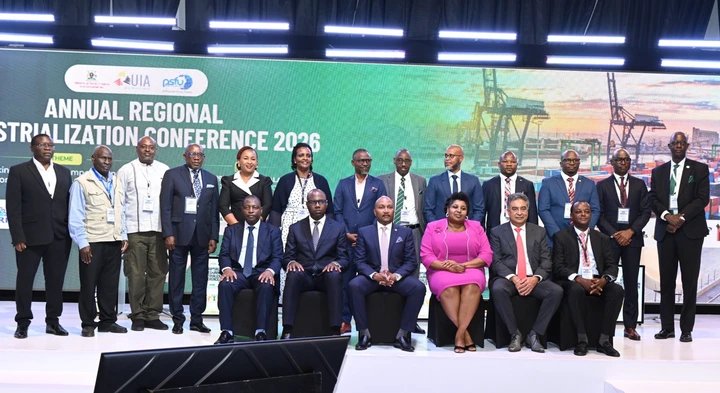 DRC opposition urges Tshisekedi to abandon constitutional changes
Ultimate Uganda
DRC opposition urges Tshisekedi to abandon constitutional changes
Ultimate Uganda
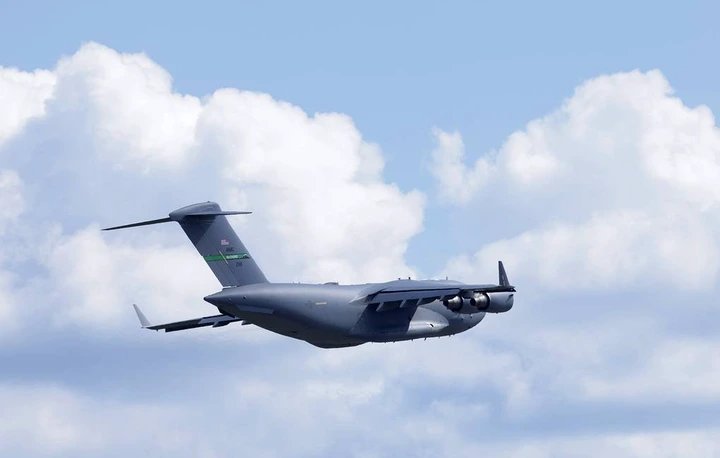 US military transport plane lands in Moscow
Ultimate Uganda
US military transport plane lands in Moscow
Ultimate Uganda
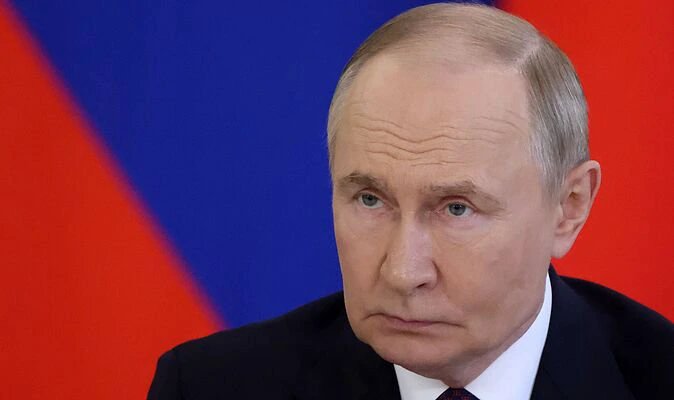 Putin puppet slaps UK with terrifying 2-word warning over drone factories
Ultimate Uganda
Putin puppet slaps UK with terrifying 2-word warning over drone factories
Ultimate Uganda
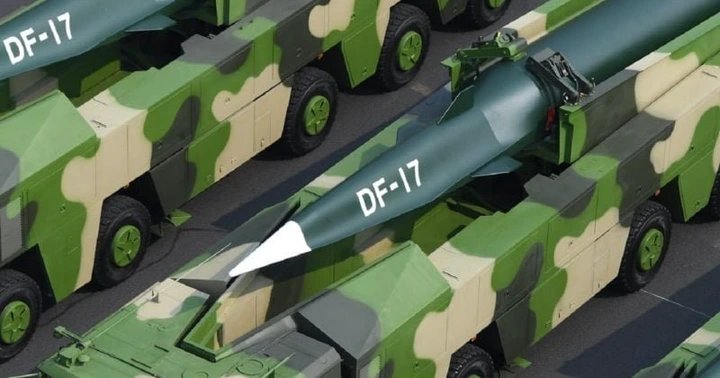 China develops hypersonic weapon to hunt US command aircraft thousands of miles away
Ultimate Uganda
China develops hypersonic weapon to hunt US command aircraft thousands of miles away
Ultimate Uganda
0 Comments