
Bank of Uganda launches three-year pilot to buy domestic gold for reserves
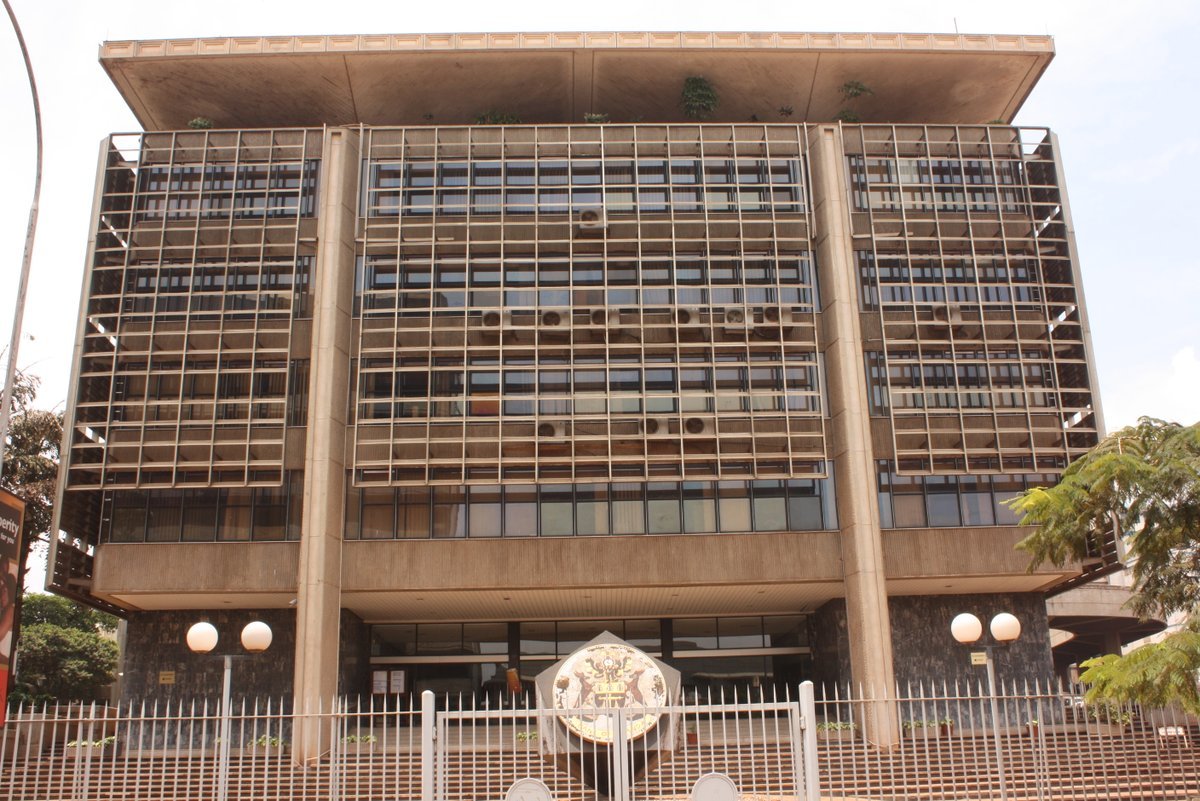

The Bank of Uganda has started buying gold mined in the country and will add it to the official foreign exchange reserves, shifting part of the national safety net from dollars and euros to bullion.
In an April 20, 2026 notice, the Central Bank said it had launched a three-year pilot Domestic Gold Purchase Programme, with test purchases executed on April 17, 2026.
The aim, according to the notice, is “to build and diversify Uganda’s foreign exchange reserves portfolio by purchasing and processing domestically mined gold and including it in the foreign exchange reserves.â€
The Bank said the move “will strengthen reserve adequacy and reduce risks associated with conventional reserve instruments.â€
Under the programme, BoU will buy gold only from “eligible, prequalified licensed miners.†Payments will be made in Uganda shillings, based on prevailing international gold prices. The gold will be delivered to “designated, prequalified refineries for assaying,†after which it will be stored at the Bank of Uganda. The notice adds that, subsequently, the gold “will be refined domestically and processed to meet international monetary gold standards. Once certified, the gold will be incorporated into Uganda’s official foreign exchange reserves.â€
The Central Bank framed the pilot as both a reserve-management tool and a way to pull more of Uganda’s gold trade into the formal economy.
“The Domestic Gold Purchase Programme is expected to contribute to the formalization of Uganda’s gold sector by promoting local value addition and strengthening economic linkages,†the notice stated.
BoU said it will “test the full value chain, from purchasing gold to including it in official foreign exchange reserves and enhancing traceability systems.â€
Traceability sits at the core of the design. The Bank said the programme “is anchored on a robust chain-of-custody framework, which is central to ensuring full traceability of gold from mine site to export.â€
That mechanism was developed with the Ministry of Energy and Mineral Development and “aligns with obligations under the International Conference on the Great Lakes Region Regional Certification Mechanism,†which requires member states to verify mineral origin and prevent illicit flows.
To meet regulatory rules, BoU has obtained a Mineral Dealer’s License from the Ministry of Energy and Mineral Development and is registered with the Financial Intelligence Authority as an accountable entity for Anti-Money Laundering and Countering the Financing of Terrorism, the notice said.
The Bank described the effort as “controlled†and said the three-year window “will allow the Bank to test operations, strengthen controls, and apply lessons learned before scaling up.†The preparatory work was done “under the strategic guidance of a High-Level Intergovernmental Committee bringing together key institutions,†including the Ministry of Energy and Mineral Development, Solicitor General, Uganda Revenue Authority, Ministry of Finance Planning and Economic Development, National Environmental Management Authority, Financial Intelligence Authority, and the Uganda National Mining Company.
That process produced “a comprehensive operational framework covering governance, risk management, accounting, compliance, and a traceability mechanism to be used during the three-year pilot,†the notice said. Environmental, social, and governance considerations are “integrated through existing licensing regimes, which include the relevant safeguards and regular inspection and monitoring.â€
By setting up the programme, “Uganda joins other countries, including Ghana and Tanzania, which have incorporated gold into their reserve management strategies by leveraging domestic production for broader economic goals,†the Bank said. The initiative, it added, supports Government’s 10-fold growth strategy, “in which mineral development is a key pillar, and will serve as a macroeconomic tool for sustainable development.â€
The Bank of Uganda said it “remains committed to implementing the Domestic Gold Purchase Programme in a prudent, transparent, and accountable manner, consistent with its mandate and international best practices.†The notice issued by Management on April 20, 2026 noted.
For years Uganda’s reserves were held mainly in US Treasuries, euro assets, and Special Drawing Rights. Gold carries no counterparty risk and tends to hold value when financial assets weaken. Buying locally also means BoU pays in shillings, keeping the purchase leg onshore and avoiding immediate drawdowns of hard currency. The Bank has said it will sterilize any liquidity impact through open-market operations to keep money supply in line with inflation targets.
Earlier in an interview with this newspaper Dr Adam Mugume BoU director research they were anticipating to perchance about 1,000 kilogrammes worth $160m.
The reserve impact will be gradual. Central banks usually phase in gold accumulation to avoid distorting local prices.


 Government will not gazette Kijanangoma as King of Tooro for now - Attorney General insists
Ultimate Uganda
Government will not gazette Kijanangoma as King of Tooro for now - Attorney General insists
Ultimate Uganda
 King Oyo’s Body to Arrive Thursday
Ultimate Uganda
King Oyo’s Body to Arrive Thursday
Ultimate Uganda
 Besigye, Lukwago expected to meet Gen. Salim Saleh today at Kapeeke
Ultimate Uganda
Besigye, Lukwago expected to meet Gen. Salim Saleh today at Kapeeke
Ultimate Uganda
 Rwabwogo Advised to ‘Eat His Bishop’ As MK Prepares to Enter State H’se: PREZ MUSEVENI ON HIS WAY OUT
Ultimate Uganda
Rwabwogo Advised to ‘Eat His Bishop’ As MK Prepares to Enter State H’se: PREZ MUSEVENI ON HIS WAY OUT
Ultimate Uganda
0 Comments