
Landlocked Uganda Beats Europe, East Africa on Fuel Prices
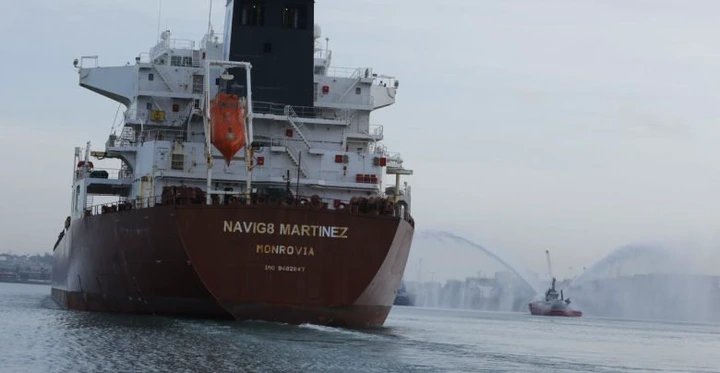

Uganda has secured incoming fuel shipments totaling more than 450 million litres, with authorities saying the deliveries will reinforce national reserves and sustain one of the most competitive pump price regimes globally.
In a statement released Tuesday, the Ministry of Energy and Mineral Development and the Uganda National Oil Company said the vessels, currently en route via Port of Mombasa and Tanzanian ports, are part of a forward supply strategy aimed at shielding the country from global market shocks.
The shipments include 183 million litres of petrol, 258 million litres of diesel and 23 million litres of jet fuel expected between May and June, significantly boosting Uganda’s fuel cover.
“These projections demonstrate strong forward supply planning and provide assurance of the continued availability of petroleum products nationwide,†the statement said.
The Ministry further said existing stock levels remain stable, with petrol at 70.5 million litres representing about 19 days of cover, diesel at 43.7 million litres equivalent to 12 days, and jet fuel at 32 million litres providing up to 53 days of cover.
Uganda’s fuel supply is largely secured through a government to government arrangement, with global energy trader Vitol acting as the principal supplier.
The Ministry said Vitol’s extensive global sourcing network and access to multiple refineries have helped Uganda maintain consistent supply flows even during periods of international disruption.
The government’s assurance comes as new global comparisons show Uganda maintaining relatively lower fuel prices than many countries despite ongoing volatility in international oil markets.
Global prices
According to global pricing data by GlobalPetrolPrices.com, petrol in Uganda averaged about Shs 5,290 per litre as of April 20, placing it below the global average of roughly Shs 5,521 per litre.
Across Africa and emerging markets, Uganda remains competitive. In Kenya petrol averages about Shs 5,600 per litre, Tanzania about Shs 5,430, Rwanda roughly Shs 7,450, and Malawi significantly higher at about Shs 14,200 per litre. Prices in Zimbabwe stand at around Shs 8,250 per litre.
In advanced economies, the gap is even wider. Petrol prices average about Shs 8,600 per litre in France, Shs 8,900 in Germany, Shs 10,050 in the Netherlands, and approximately Shs 9,800 in Denmark.
Other high-cost markets include Israel at about Shs 10,230 per litre and Hong Kong at over Shs 15,300 per litre.
Even in parts of Asia and Latin America, prices remain higher or comparable, with Singapore at about Shs 8,960 per litre and United Kingdom at around Shs 7,880 per litre.
GlobalPetrolPrices.com is an international platform that provides reliable, regularly updated data on global energy prices, including fuel, electricity, and natural gas. It tracks national average fuel prices in 150 countries and over 250 cities, updating the data weekly. The database contains more than 100,000 data points collected over a period of 10+ years.
Pressures
Global oil markets, however, remain under pressure following escalating tensions in the Middle East, particularly involving the United States, Israel and Iran.
Recent disruptions linked to security concerns around key shipping routes, including the Strait of Hormuz through which nearly a fifth of global oil supply passes, have driven up landed costs and injected volatility into fuel pricing worldwide.
“There have been reports of increased pump prices in some border towns driven by cross-border demand, but these are being addressed,†the statement said, noting that some isolated shortages are linked to logistical challenges among individual oil marketing companies rather than a national supply gap.
The government urged the public to remain calm and avoid panic buying, emphasizing that supply remains sufficient.
Uganda consumes about 2.3 million litres of petroleum products daily and relies entirely on imports routed through Kenya and Tanzania, making sustained shipments and efficient logistics critical.
Officials said the scale of incoming fuel deliveries underscores the government’s commitment to maintaining energy security and price stability, even as global oil markets remain volatile.


 Starlink goes live in Uganda; price comparisons against MTN, Airtel
Ultimate Uganda
Starlink goes live in Uganda; price comparisons against MTN, Airtel
Ultimate Uganda
 NSSF sets September 24 for Annual Members Meeting as savers await interest rate declaration
Ultimate Uganda
NSSF sets September 24 for Annual Members Meeting as savers await interest rate declaration
Ultimate Uganda
 Boda boda riders launch e-commerce, digital loans platform
Ultimate Uganda
Boda boda riders launch e-commerce, digital loans platform
Ultimate Uganda
 Rwanda: We Cannot Sit and Watch As Illicit Alcohol Kills People - Kagame
Ultimate Uganda
Rwanda: We Cannot Sit and Watch As Illicit Alcohol Kills People - Kagame
Ultimate Uganda
0 Comments