
New A-level reforms to allow students to mix science and arts subjects
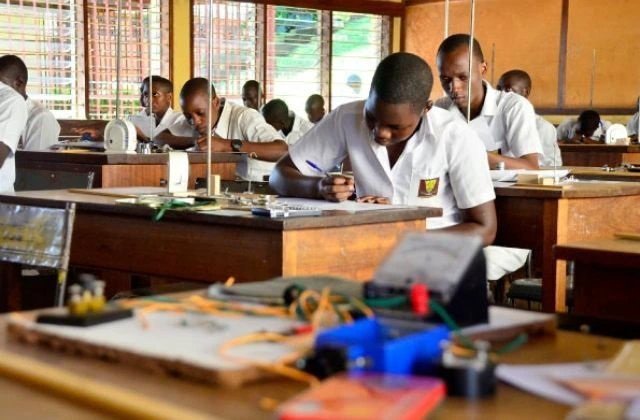

Students sit for their Biology exam, part of the UACE 2024 exams. This year’s results show a significant improvement in student performance in Biology, with several schools excelling in the subject.
KAMPALA, Uganda — The government is planning a major overhaul of the A-level curriculum to allow students to mix science and humanities subjects, moving away from decades of rigid specialization.
The reform aims to expand academic and career opportunities for students while aligning the education system with national goals for innovation and industrialization.
Under the current system, learners must choose between science or humanities combinations. Recent government directives prioritizing sciences have left many humanities students with fewer opportunities for university sponsorships and scholarships.
The proposed changes, detailed in a draft curriculum framework from the National Curriculum Development Centre, would allow students to create hybrid combinations such as history, mathematics and geography, or history, economics and physics.
The Ministry of Education expects to conclude the curriculum review by the end of 2026. A pilot program in selected public and private secondary schools is scheduled for 2027, with a full national rollout planned for 2028.
As part of the reforms, subsidiary mathematics and ICT will be scrapped. General paper will be replaced by a new subject called contemporary studies, which will cover health, gender issues and communication.
To ensure a smooth transition from the competency-based curriculum used at O-level, several subjects will be rebranded or introduced. Physical education will be added at A-level, performing arts will replace music, and metal and wood work will be combined into technology and design.
Vincent Elong, chairperson of the Uganda Professional Science Teachers’ Union, welcomed the reforms but urged the government to recruit and train more teachers to handle the practical demands of a competency-based model.
Dr. Bernadette Nambi, director of the National Curriculum Development Centre, confirmed the review is underway and noted that the new curriculum will focus on skills and competencies rather than rote memorization.
The overhaul follows years of recommendations from civil society and international organizations, including a 2007 World Bank report that described the existing system as overloaded and exclusionary. Flexible subject combinations are already common in several other education systems, including those in the United Kingdom and Singapore.


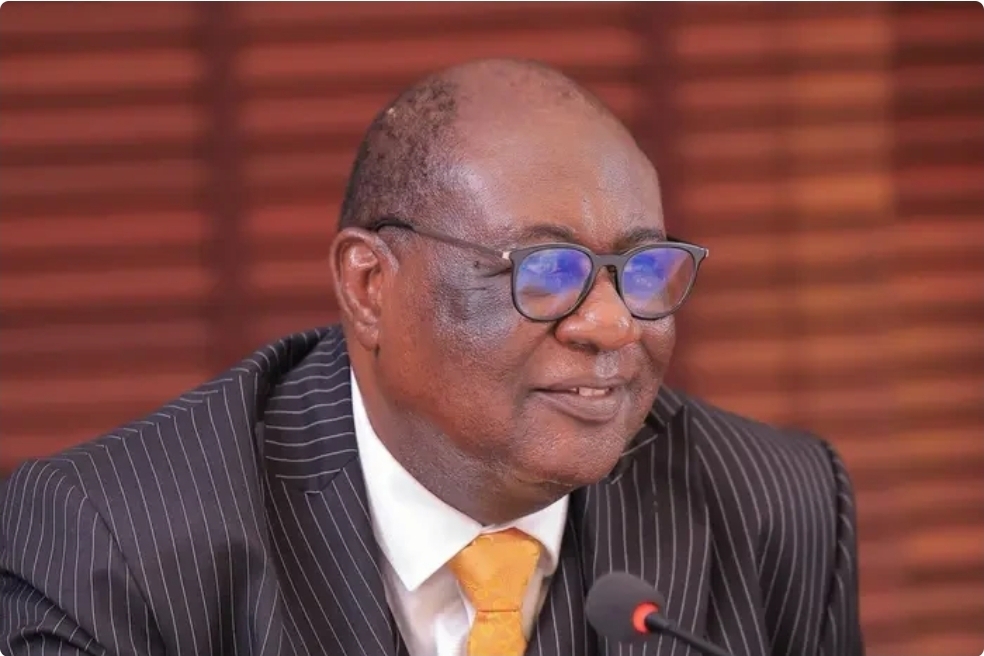 Government will not gazette Kijanangoma as King of Tooro for now - Attorney General insists
Ultimate Uganda
Government will not gazette Kijanangoma as King of Tooro for now - Attorney General insists
Ultimate Uganda
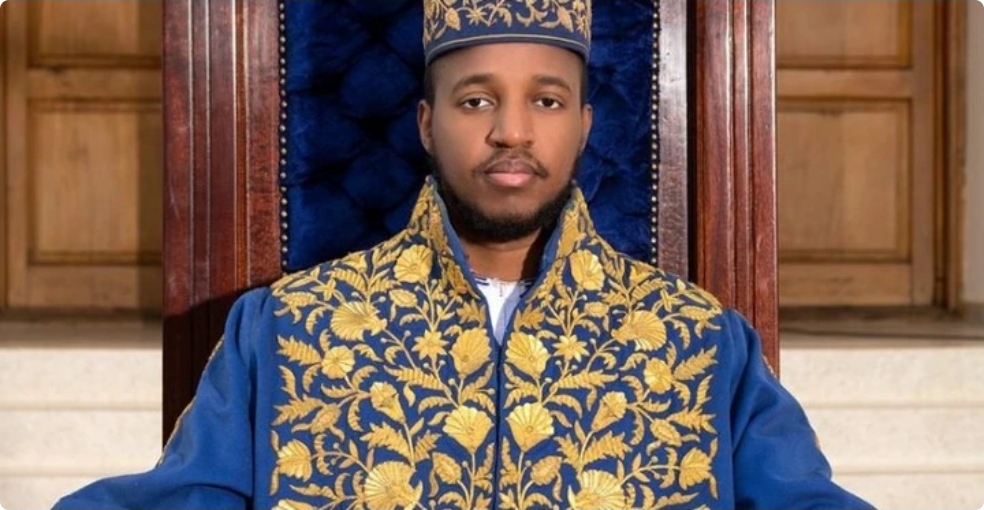 King Oyo’s Body to Arrive Thursday
Ultimate Uganda
King Oyo’s Body to Arrive Thursday
Ultimate Uganda
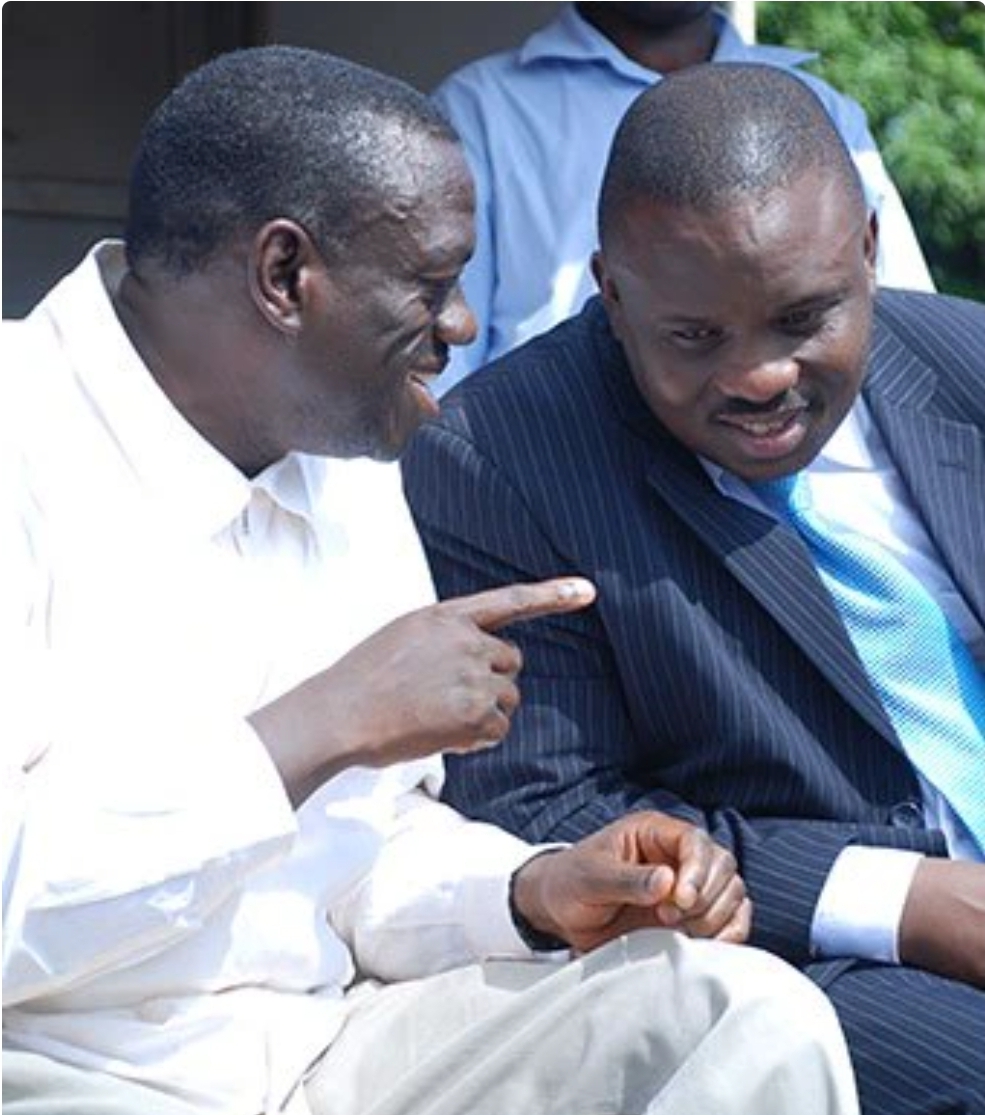 Besigye, Lukwago expected to meet Gen. Salim Saleh today at Kapeeke
Ultimate Uganda
Besigye, Lukwago expected to meet Gen. Salim Saleh today at Kapeeke
Ultimate Uganda
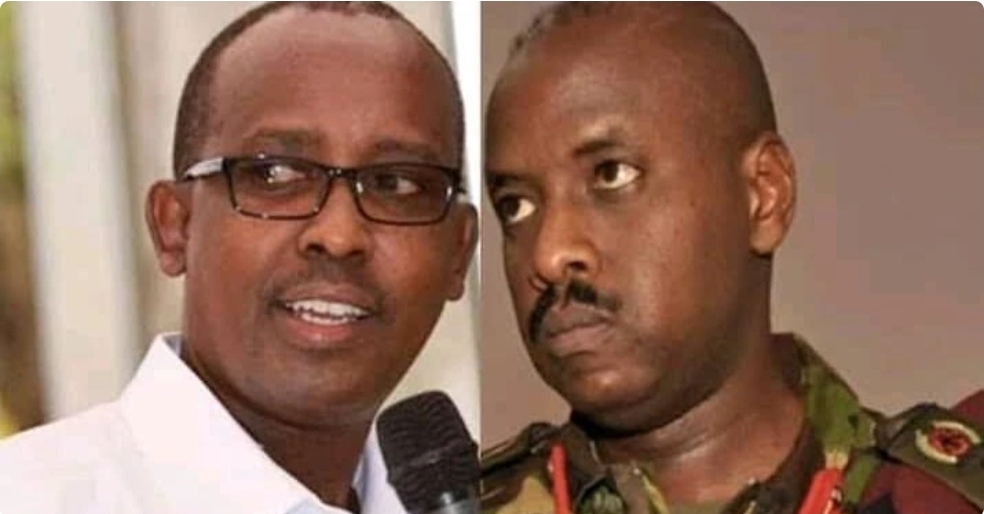 Rwabwogo Advised to ‘Eat His Bishop’ As MK Prepares to Enter State H’se: PREZ MUSEVENI ON HIS WAY OUT
Ultimate Uganda
Rwabwogo Advised to ‘Eat His Bishop’ As MK Prepares to Enter State H’se: PREZ MUSEVENI ON HIS WAY OUT
Ultimate Uganda
0 Comments