
Uganda Nears First Oil as Projects Reach Completion
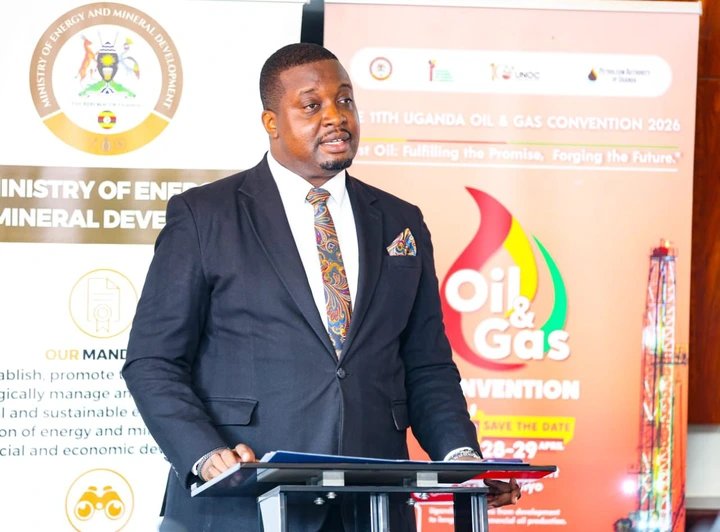

Uganda is approaching what officials describe as a decisive phase in its petroleum journey, with major oil infrastructure projects reporting near-completion ahead of expected production in the second half of 2026.
This was announced ahead of the 11th Annual Oil and Gas Convention (OGC 2026), scheduled for April 28–29 at Speke Resort Munyonyo, where government, industry leaders and investors are expected to review progress under the theme “First Oil: Fulfilling the Promise, Forging the Future.â€
The event, organised by the Uganda Chamber of Energy and Minerals in partnership with the Ministry of Energy and Mineral Development, the Uganda National Oil Company and the Petroleum Authority of Uganda, comes as officials insist the country is now firmly on track for first oil production.
“The government has maintained a clear and consistent position, we will achieve First Oil in the second half of 2026,†said UCEM Chief Executive Officer Humphrey Asiimwe, adding that ongoing works reflect “coordinated national effort, political will, and institutional discipline.â€
According to project updates presented ahead of the convention, the Tilenga oil development has drilled 198 wells against a target of 170, while the Kingfisher project has completed 21 wells and reached 77 percent overall progress.
The East African Crude Oil Pipeline (EACOP) is reportedly more than 83 percent complete, with officials also stating that 98 percent of compensation for affected persons along the corridor has been finalised.
Petroleum Authority of Uganda Corporate Affairs Manager Gloria Sebikari said Uganda has now moved beyond planning into execution.
“We are beyond the question of whether Uganda can produce oil. The wells are drilled, the targets are met, and contractors are working around the clock,†she said.
She added that the convention marks “Uganda’s transition from infrastructure development to operating a world-class petroleum sector.â€
Industry figures show the oil and gas sector has already committed about USD 2 billion to local firms, with officials estimating 80,000 direct and indirect jobs created.
More than USD 2.1 billion in local contracts have also been facilitated, alongside training programmes for over 7,000 Ugandans.
Officials say attention is now shifting to long-term operations, maintenance and industrial development, as Uganda prepares for a 20–30 year production phase expected to transform the country into a regional energy hub.
Key agenda items at OGC 2026 will include progress on a proposed USD 4 billion refinery project expected to reach final investment decision in 2026, development of the Kabalega Industrial Park, and the upcoming third petroleum exploration licensing round covering new blocks in the Albertine Graben and northern Uganda.
The convention is expected to draw government officials, international investors and development partners as Uganda positions itself for entry into commercial oil production.


 Starlink goes live in Uganda; price comparisons against MTN, Airtel
Ultimate Uganda
Starlink goes live in Uganda; price comparisons against MTN, Airtel
Ultimate Uganda
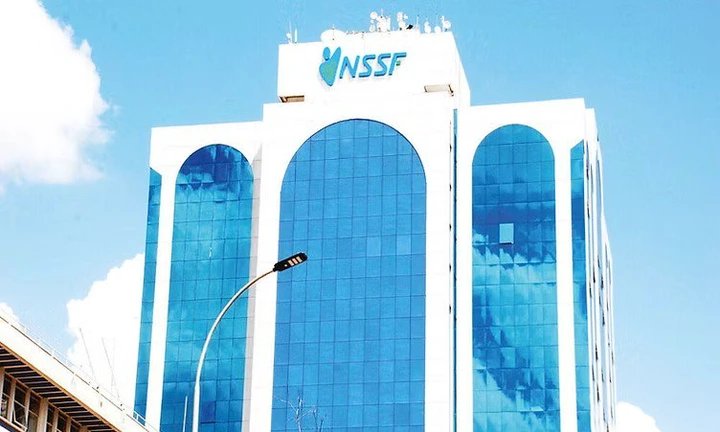 NSSF sets September 24 for Annual Members Meeting as savers await interest rate declaration
Ultimate Uganda
NSSF sets September 24 for Annual Members Meeting as savers await interest rate declaration
Ultimate Uganda
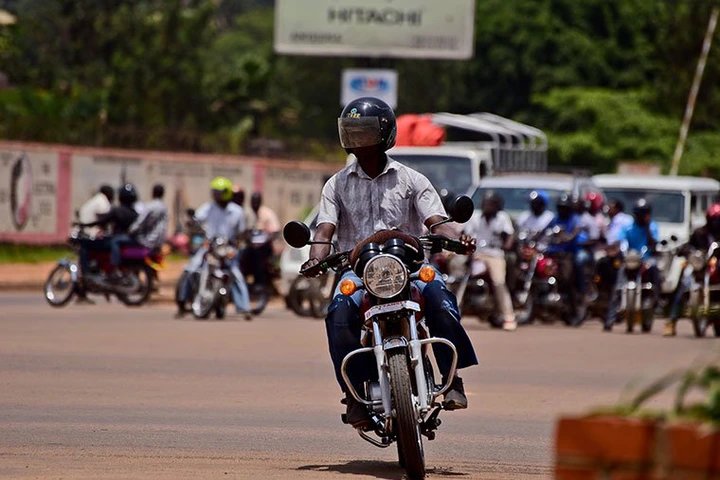 Boda boda riders launch e-commerce, digital loans platform
Ultimate Uganda
Boda boda riders launch e-commerce, digital loans platform
Ultimate Uganda
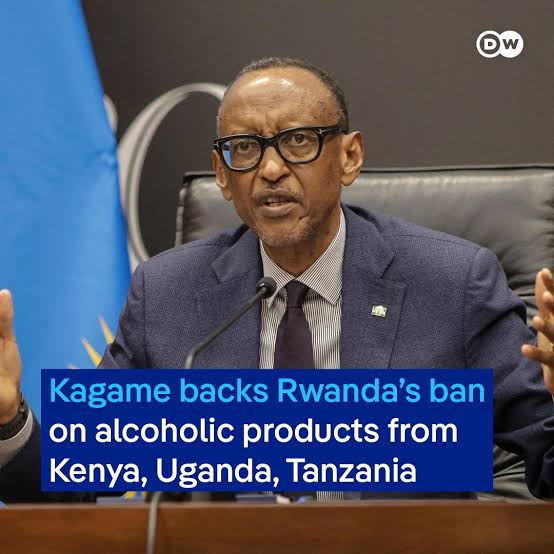 Rwanda: We Cannot Sit and Watch As Illicit Alcohol Kills People - Kagame
Ultimate Uganda
Rwanda: We Cannot Sit and Watch As Illicit Alcohol Kills People - Kagame
Ultimate Uganda
0 Comments