
Winners, losers as MPs pass new taxes
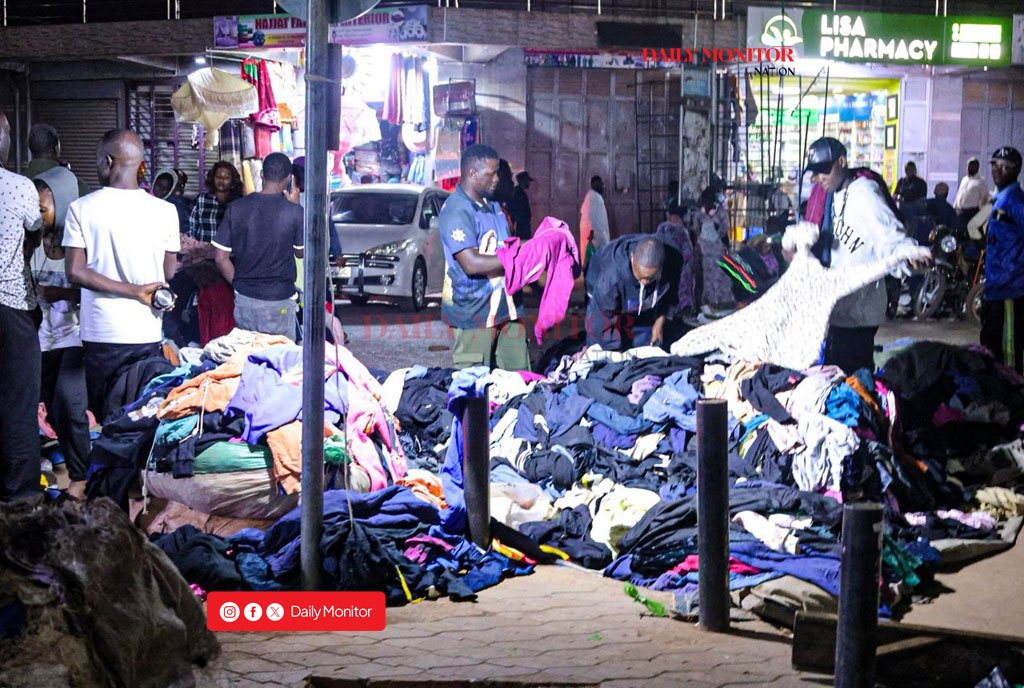

Effective July 1, all importers of secondhand clothes will have to pay an extra charge of 30 percent, up from the current 15 percent, should the President sign into law the External Trade Amendment Bill, 2026.
Parliament yesterday passed the Bill that will see the prices of used clothes go up despite protests from a section of lawmakers, who included Brenda Nabukenya (Luweero District, NUP), and Ibrahim Ssemujju Nganda (Kira Municipality, FDC).
Mr Henry Musasizi, the State minister for Finance (General Duties), told the House that the extra charge is aimed at supporting the local textile industry and signals that the government is discouraging the importation of used clothes.
Traders last week warned of dire consequences of passing the Bill that risk rendering the majority of the youth employed in the sector jobless, since it would reduce the volume of imports. These are some of the groups of Ugandans who lost as the Parliament deliberated and passed various tax amendments ahead of the passing of the Shs84.2 trillion budget for the Financial Year 2026/2027. Ugandans are expected to shoulder up to 52 percent of this budget, which has been increased from the current Shs72.1 trillion. The taxman has been given responsibility to collect up to Shs44.5 trillion, up from the current Shs37 trillion. The budget has been prepared in line with the 4th National Development Plan (UNDP IV) , the government’s tenfold growth strategy.
The government projects to collect up to Shs4.8 trillion additional revenues from these new taxes, where Shs2.3 trillion will be received from tax reforms, while the rest will be from the Uganda Revenue Authority (URA) tax administrative measures. Parliament yesterday passed the Excise Duty Amendment Bill, 2026, without significant amendments, with Excise Duty on motorcycles increased from Shs200,000 to Shs500,000, and on cooking oil going up from Shs200 to Shs400 per litre. Other levies going up are Shs500 to Shs1,000 on a 50kg bag of cement, increased duty on imported undenatured spirits with alcoholic strength by volume of less than 80 percent, rising from Shs1,700 to Shs3,500 per litre, and the tax on a litre of fuel increasing by Shs200. The proposal that targets to collect Shs450 billion will see the tax on a litre of petrol increase from the current Shs1,550 to Shs1,750 and on diesel from Shs1,230 to Shs1430. The current pump prices average Shs5,000 per litre, and the government says the increment will not negatively impact the economy because the pump prices will not increase significantly.
Mr Ssemujju, however, said: “Every year, this government introduces tax bills without a taxation policy in place. This approach allows the government to engage in speculation and guesswork while originating and imposing taxes. The proposals will also increase the cost of doing business, thereby affecting employment and making Ugandan goods expensive in the regional market.†Parliament also passed the External Trade (Amendment) Bill, 2026, whose main objective was to exempt imports of vaccines, medicines, medical supplies, pesticides, rodenticides, acaricides, and insecticides from the infrastructure levy and import declaration fee; and to impose an environmental levy on worn clothing and other worn articles.
Clause 4 of the External Trade Bill was passed amid protest because it directly affects the importers and sellers of used clothes. An environmental levy on worn clothing and other worn articles was increased from 15 percent to 30 percent. Ms Nabukenya warned that increasing taxes on essentials will affect the vulnerable poor who can’t afford high-priced clothes.
Mr Ssemujju agreed, saying: “Thirty-one percent of the population can’t afford two sets of clothes. That is why they were fighting over these fake NRM[National Resistance Movement] party T-shirts.†But Speaker Anita Among, in response, said: “At least NRM had fake ones, what about PFF [People’s Front for Freedom]?â€
The PFF is a newly formed party associated with jailed Opposition leader Dr Kizza Besigye, and has Mr Ssemujju among its promoters and leaders. Nonetheless, there were some significant wins on the Value Added Tax (VAT) amendment at the Committee stage, where several changes were made. For instance, the House agreed with MP Muhammed Nsereko (Kampala Central, Independent) that the proposal to include VAT on imported software was bad and could affect the technology transfer, and the clause was deleted. The House also agreed with the recommendation of MP Karim Masaba (Mbale Industrial Division, Independent) and increased the VAT registration threshold from the current Shs150 million to Shs300 million.
But Parliament rejected the Traffic and Road Safety Bill that had proposed to amend Section 15 of the Principal Act to prohibit the importation of motor vehicles that are 13 years old or more from the year of manufacture. Mr Musasizi conceded, and the proposal was dropped. An intense debate on a proposal to increase the Stamp Duty on land transfer from the current 1.5 percent to 3 percent forced the State minister to concede and reconsider the proposal, which was a win for land owners. Parliament also rejected the proposed Shs200,000 registration fee on motorcycles. The fees were maintained at the current Shs50,000.


 Government will not gazette Kijanangoma as King of Tooro for now - Attorney General insists
Ultimate Uganda
Government will not gazette Kijanangoma as King of Tooro for now - Attorney General insists
Ultimate Uganda
 King Oyo’s Body to Arrive Thursday
Ultimate Uganda
King Oyo’s Body to Arrive Thursday
Ultimate Uganda
 Besigye, Lukwago expected to meet Gen. Salim Saleh today at Kapeeke
Ultimate Uganda
Besigye, Lukwago expected to meet Gen. Salim Saleh today at Kapeeke
Ultimate Uganda
 Rwabwogo Advised to ‘Eat His Bishop’ As MK Prepares to Enter State H’se: PREZ MUSEVENI ON HIS WAY OUT
Ultimate Uganda
Rwabwogo Advised to ‘Eat His Bishop’ As MK Prepares to Enter State H’se: PREZ MUSEVENI ON HIS WAY OUT
Ultimate Uganda
0 Comments