
Munyagwa Warns Clergy Against Direct Criticism of Government
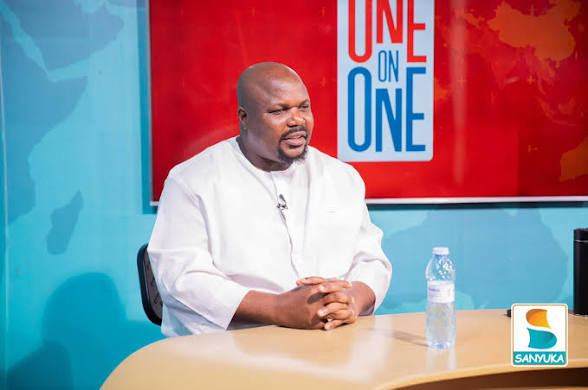

Former Common Man’s Party presidential candidate Mubarak Munyagwa Sserunga cautioned clergy against openly criticizing government actions, saying history shows they can face consequences. His comments come as debate continues over the Church of Uganda’s role in governance.
Former Common Man’s Party presidential candidate Mubarak Munyagwa Sserunga, popularly known as “Mugati gwa Butter,†has cautioned religious leaders against openly criticizing government actions, warning that such interventions often come with serious consequences.
Speaking during Sanyuka One on One on Tuesday, the former Kawempe South Member of Parliament said history demonstrates that clergy who directly challenge political authority frequently face repercussions.
“From history, every clergy who has spoken about the government has faced consequences. There are some things that shouldn’t be talked about, even if they are real,†he said.
“I agree with his remarks, but they were unnecessary.â€
Munyagwa’s remarks come amid an ongoing national debate about the role of religious leaders in governance and human rights discourse, particularly following recent comments by the Archbishop of the Church of Uganda, The Most Rev Dr Stephen Samuel Kaziimba Mugalu.
Archbishop Kaziimba has in recent weeks defended his leadership approach against critics who accuse him of being overly cautious on sensitive national issues.
Speaking during the inauguration of Makerere Archdeaconry and the installation of its first Archdeacon, Ven. Rev. Canon Michael Mukhwana, at St John’s Church of Uganda, Makerere, the Archbishop emphasized that his approach is deliberate and faith-driven.
“I am a person. I need life also. I have a life to live. I am not here to be your saviour. I am not here to carry all your problems. You take them to the cross. I do my part and leave the rest to God,†he said.
He argued that public confrontation is not always the most effective way to achieve change, saying that quieter engagement can sometimes yield better outcomes.
“You can speak and speak and speak, no impact. John the Baptist did a good job, but he ended up losing his head. And the mission ended there,†he said.
The Archbishop also referenced what he called the “Nathan approach,†a biblical model of engaging authority with restraint rather than direct confrontation.
The “Nathan approach†refers to a moment in the Bible involving the prophet Nathan and King David, found in 2 Samuel (chapter 12).
After David had committed wrongdoing, Nathan did not confront him with a direct accusation. Instead, he told a carefully crafted story about a rich man who had been a poor man—prompting David to condemn the injustice himself.
Only then did Nathan reveal: “You are the man.â€
In practice, the “Nathan approach†means addressing sensitive wrongdoing indirectly but strategically—using analogy, storytelling, or questions to lead someone to recognise their own fault, rather than attacking them outright.
Its relevance lies in its emphasis on wisdom, timing, and emotional intelligence. Whether in leadership, journalism, advocacy, or personal relationships, the approach helps expose truth while preserving the chance for reflection and change—rather than immediate resistance.
Munyagwa's remarks came in response to comparisons with former Archbishop Janani Luwum, who openly criticized the regime of Idi Amin and was later killed in 1977. Luwum is widely regarded as a martyr, with many Ugandans viewing him as a symbol of moral courage.
However, Archbishop Kaziimba questioned whether martyrdom should be considered the benchmark for effective leadership.
“The man was killed. So do you think I can make an impact by being killed? Don’t I have a family? Why don’t you really be sensitive?†he said.
The contrasting views have reignited public discussion on how far religious leaders should go in engaging political power in Uganda.


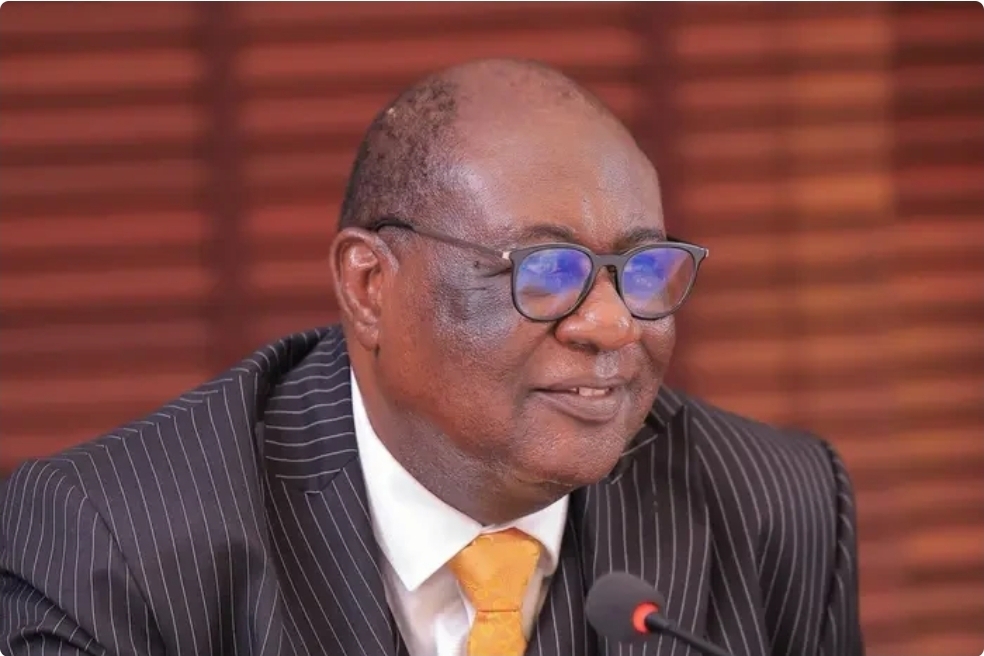 Government will not gazette Kijanangoma as King of Tooro for now - Attorney General insists
Ultimate Uganda
Government will not gazette Kijanangoma as King of Tooro for now - Attorney General insists
Ultimate Uganda
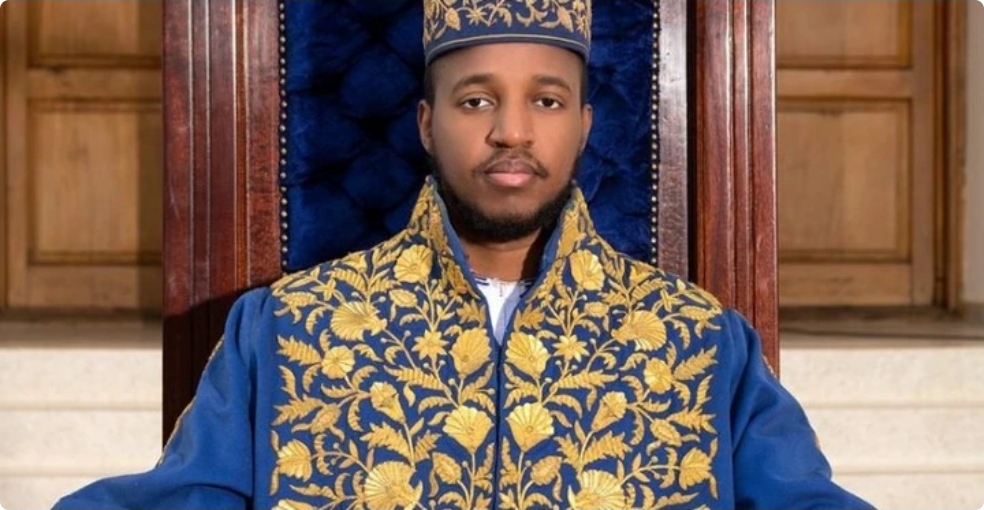 King Oyo’s Body to Arrive Thursday
Ultimate Uganda
King Oyo’s Body to Arrive Thursday
Ultimate Uganda
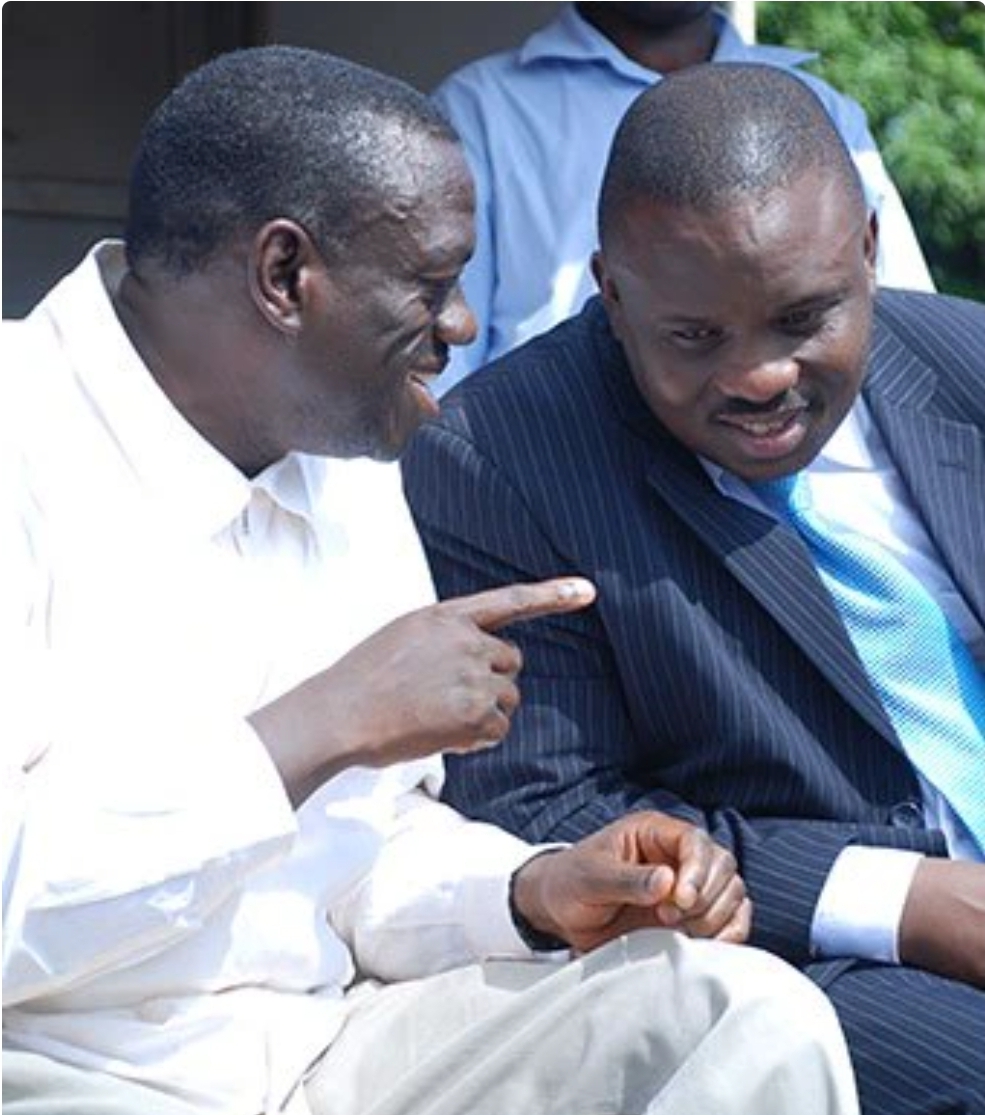 Besigye, Lukwago expected to meet Gen. Salim Saleh today at Kapeeke
Ultimate Uganda
Besigye, Lukwago expected to meet Gen. Salim Saleh today at Kapeeke
Ultimate Uganda
 Rwabwogo Advised to ‘Eat His Bishop’ As MK Prepares to Enter State H’se: PREZ MUSEVENI ON HIS WAY OUT
Ultimate Uganda
Rwabwogo Advised to ‘Eat His Bishop’ As MK Prepares to Enter State H’se: PREZ MUSEVENI ON HIS WAY OUT
Ultimate Uganda
0 Comments